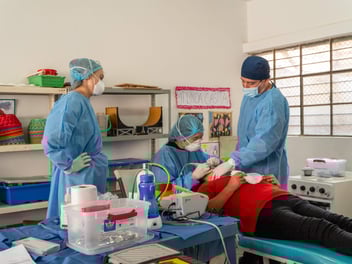

In many communities around the world, tooth pain is treated as something to endure rather than prevent. Cavities go untreated, infections worsen, and routine dental visits are rare. These realities are not caused by a lack of concern for oral health. They reflect deeper systemic barriers that limit dental care access across low-resource settings.
For students and supporters interested in global health, understanding why these gaps exist is essential before engaging in service or advocacy.
What Dental Care Access Really Means
When discussing dental care access, it is important to look beyond the presence of a clinic. Access includes affordability, availability of trained professionals, transportation, education, and continuity of care.
In many regions, even when a dental clinic exists, patients may not be able to reach it safely, afford services, or return for follow-up. These factors combine to make preventive dental care uncommon and emergency treatment the norm.
Dental Care in Developing Countries: Structural Barriers
Across much of the world, dental care in developing countries is limited by structural challenges rather than individual behavior. Common barriers include:
- A shortage of licensed dentists in rural and low-income areas
- Limited public funding for oral health services
- Lack of transportation and safe infrastructure
- Low access to preventive education and early screenings
In some communities, dental care is not integrated into public health systems, leaving families to pay out of pocket or travel long distances for treatment.
These issues are explored further in discussions about oral health as a public health issue, including Why Is Oral Health a Public Health Issue?.
The Ripple Effect of Limited Infrastructure
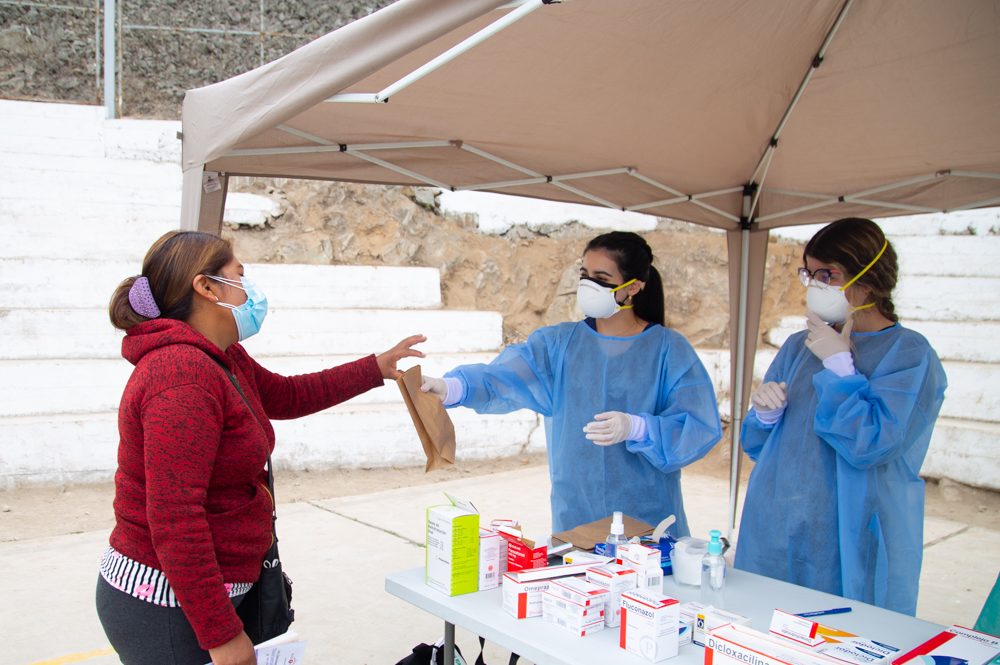
Infrastructure plays a major role in healthcare access. In hillside settlements or rural villages, the absence of roads, staircases, or public transportation makes reaching clinics difficult or unsafe.
MEDLIFE addresses these challenges through development projects that improve access pathways and unlock connections to utilities and public services. These efforts show how improving infrastructure can directly support healthcare access, including dental care.
Students interested in this connection between health and development can learn more through resources on sustainable community development, such as How to Make a Lasting Impact as a Dental Volunteer in Underserved Communities.
Prevention Gaps and Long-Term Consequences

Without access to preventive care, dental issues often escalate. Untreated cavities can lead to infections, tooth loss, and chronic pain. These conditions affect nutrition, school attendance, and overall health.
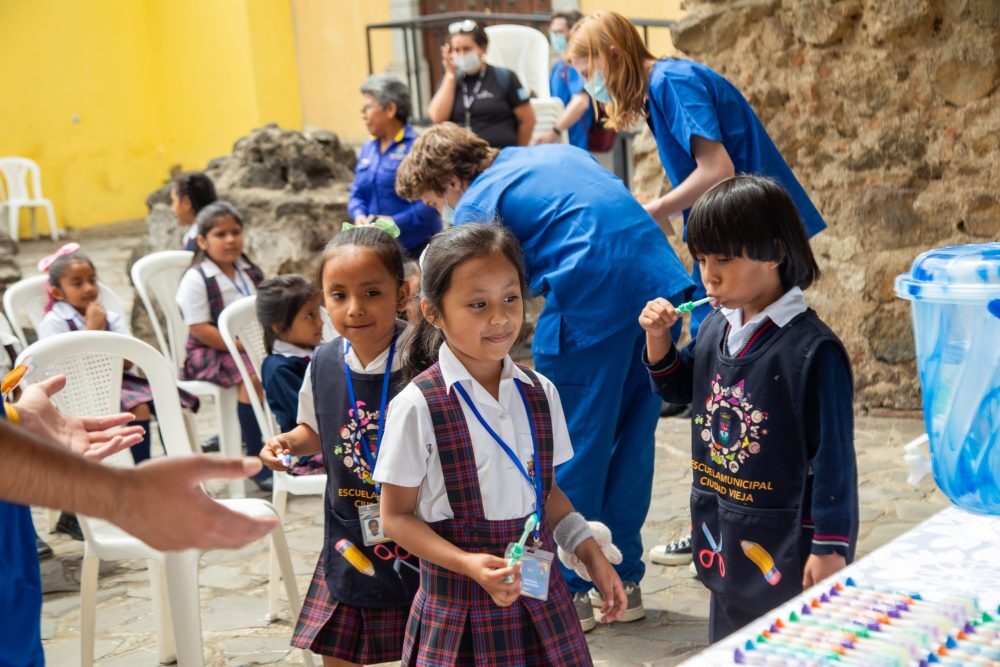
In many low-resource settings, oral health education is limited. Families may not receive information about brushing techniques, fluoride use, or the importance of regular checkups.
This is why MEDLIFE prioritizes screenings and education as entry points into long-term care systems rather than focusing only on treatment.
Volunteer Work in Developing Countries and Oral Health
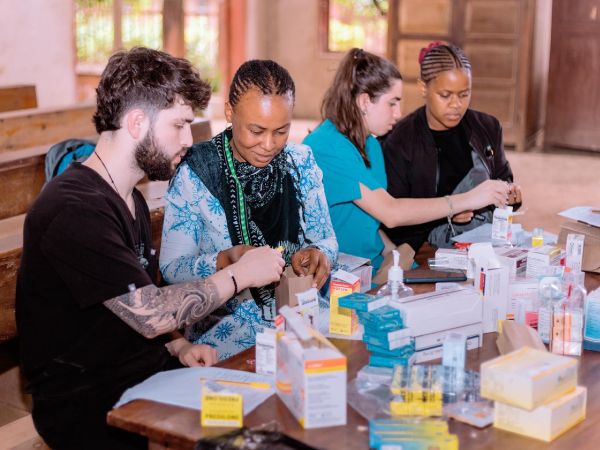
Ethical volunteer work in developing countries does not attempt to replace local healthcare systems. Instead, it supports existing professionals and strengthens access over time.
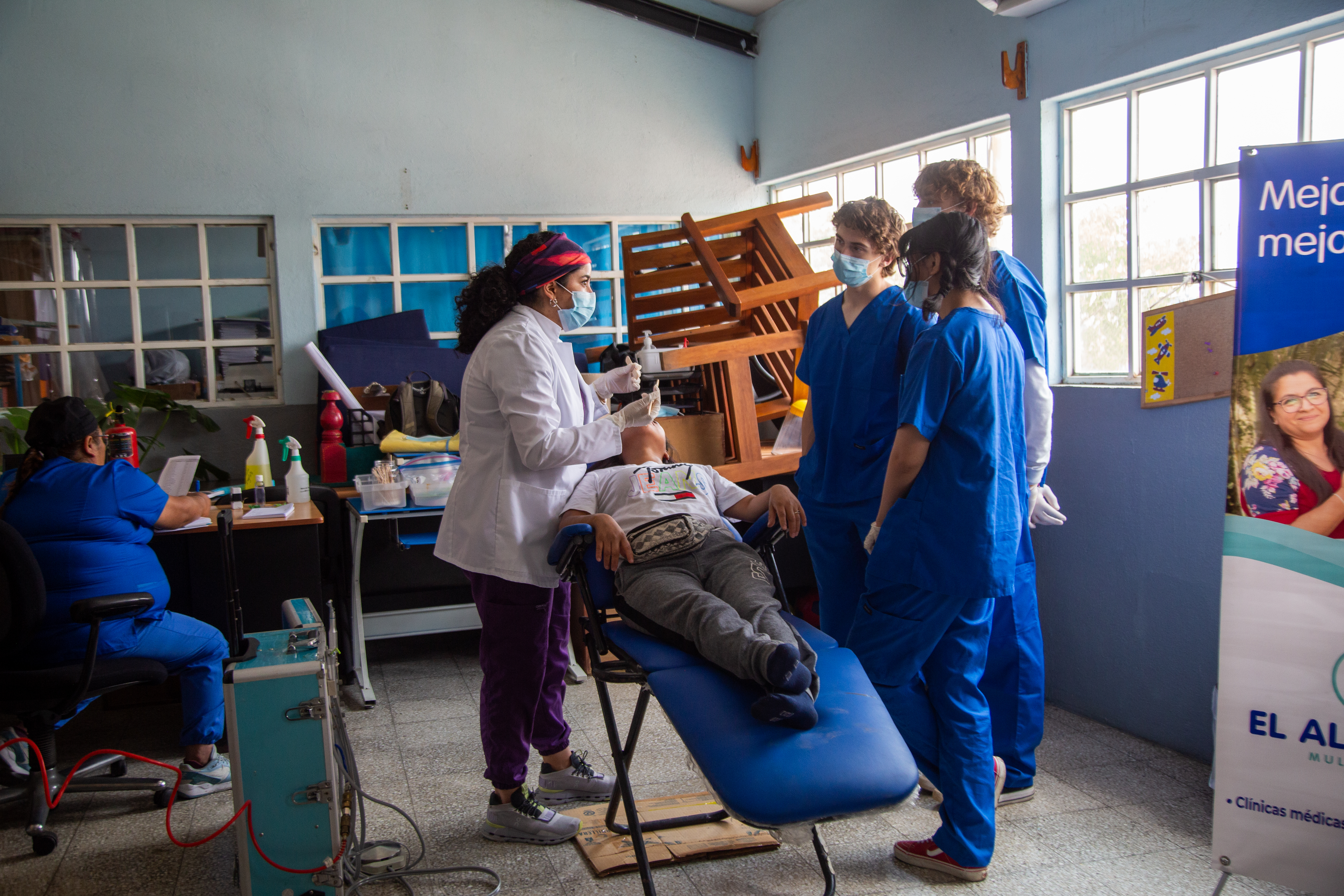
MEDLIFE partners with local dentists, physicians, and public health networks to provide screenings, referrals, and education. Volunteers participate under supervision and within defined roles, ensuring patient safety and continuity.
Students exploring this model can learn more about responsible engagement through resources on ethical dental volunteering, including The Role of Volunteer Dentistry Abroad: What You Give as a Volunteer.
Why Short-Term Clinics Are Not Enough
One-time clinics without follow-up can create false expectations and leave conditions untreated. Sustainable improvement in dental care access requires long-term presence, referral systems, and partnerships with public institutions.
MEDLIFE’s model emphasizes follow-up visits, patient tracking, and integration with local healthcare providers. This approach ensures that screenings lead to treatment rather than dead ends.
Concerns about short-term solutions are discussed further in conversations about voluntourism, such as What Is Voluntourism?.
The Role of Students and Supporters
For students, understanding the root causes of limited dental care access shapes how they approach service. The goal is not to fix complex systems in a week, but to learn how ethical models operate and how long-term change happens.
For donors and supporters, investing in infrastructure, education, and local leadership creates ripple effects that extend far beyond a single clinic day.
Join the Smiles Movement to Promote Oral Health
Limited dental care access is a result of systemic challenges, not a lack of need or effort from communities. Through ethical partnerships, preventive care, and development projects, progress is possible.
Start learning more by downloading our brochure.
To help expand sustainable dental and healthcare access, donate today and support long-term, community-driven solutions.