

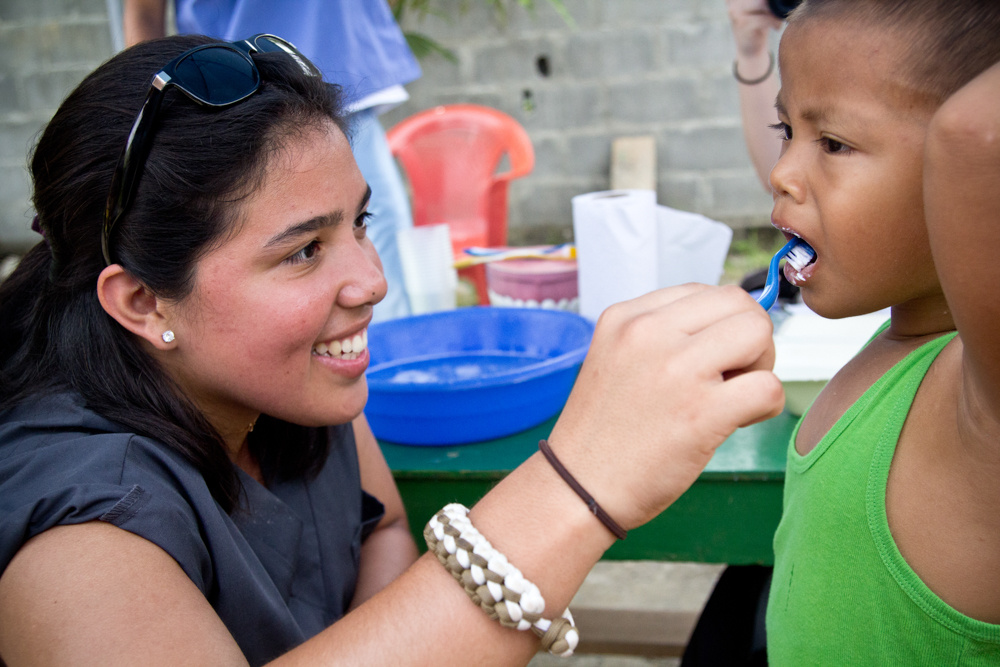
Dental Health Activities for Preschoolers: 8 Easy Ideas
Young children learn best when they can touch, move and play. That makes oral health a great topic for hands-on lessons. A few simple materials can turn brushing into a game.
This guide shares dental health activities for preschoolers that teachers, parents and student volunteers can use. You will find eight low-cost ideas, from brushing practice to snack sorting. You will also learn how to keep each activity short, clear and safe for small children. If you are a pre-dental or pre-health student, these activities are good practice for explaining health ideas in simple words. That skill matters when you talk with patients of any age. It is also the kind of work students support during oral health education sessions on service learning trips.
Why early oral health lessons matter
Habits formed early can last for years. Children who learn to brush and choose healthy snacks have a better chance of keeping those habits.
Tooth decay is common in young children, and it is largely preventable. Simple education helps families understand brushing, fluoride and diet. You can read more about this idea in our article on oral health literacy.
Preschoolers have short attention spans. Good activities are brief, colorful and repeat one key message at a time.
8 dental health activities for preschoolers
Each of these ideas uses simple supplies. Pick one or two per session.
1. Brush the giant tooth
Draw a large tooth on poster board or use a big model. Cover it with washable marker "germs." Let children take turns brushing the germs away with a toothbrush and water. Say the brushing steps out loud as they go.
2. The two-minute brushing song
Choose a simple tune children already know. Add your own words about brushing top teeth, bottom teeth, fronts and backs. Practice brushing in the air for the length of the song. This builds the habit of brushing for two minutes.
3. Healthy snack sort
Bring pictures of foods, such as apples, cheese, candy, soda and carrots. Ask children to sort them into "happy teeth" and "sometimes foods." Keep the tone positive. Praise good choices and skip any blame.
4. Eggshell experiment
Eggshells contain calcium, like tooth enamel. Place one hard-boiled egg in water and another in a dark soda or juice overnight. The next day, compare how the shells look. Explain that sugary drinks can affect teeth over time. An adult should handle the cups.
5. Floss with play dough
Press play dough between the fingers of a rubber glove or between blocks. Let children use a piece of yarn to "floss" it out. This shows why we clean between teeth.
6. Toothbrush puppet show
Make puppets from paper bags: a toothbrush, a tooth and a sugar bug. Act out a short story where the toothbrush saves the tooth. Invite children to join in and cheer.
7. Tooth counting game
Use a paper smile with removable paper teeth. Children count teeth as they add them. This mixes early math with oral health.
8. Pretend dental visit
Set up a play corner with a chair, a hand mirror and a flashlight. Children take turns being the dentist and the patient. Pretend play can make a real dental visit feel less scary.
How to lead dental activities well
A few habits help any activity run smoothly.
- Keep it short. Ten to fifteen minutes is often enough.
- Use one message. Pick brushing, snacks or dental visits for each session.
- Check supplies for safety. Avoid small parts that young children could swallow.
- Respect families. Some families have limited access to dental care or healthy foods. Keep the message encouraging.
- Send something home. A simple handout or brushing chart helps families continue the lesson.
Learning to teach in other communities
Teaching young children in another language and culture takes extra care. Visual tools and songs help a lot. Our article on school oral health programs shows how this works in Peru and Ecuador. On a dental service learning trip, students shadow local dental professionals at mobile clinics. They also help with oral health education for children in partner communities. For more home ideas, see our tips on getting kids to brush.
Bring oral health lessons to life
Dental health activities for preschoolers work best when they are simple, playful and repeated often. A giant tooth, a song or a snack sort can teach habits that last. If you want to practice health education with children while learning about dentistry, Smiles Movement can help. Fill out the form or download our brochure to get more information about upcoming programs and trip dates.
Frequently asked questions about dental health activities for preschoolers
What is a good dental activity for preschoolers?
Brushing a giant tooth model is a favorite. Children use a toothbrush to wipe away marker "germs." It teaches brushing steps in a hands-on way.
How long should a preschool dental lesson be?
Most preschool lessons work best at ten to fifteen minutes. Focus on one simple message. Repeat it with a song or game.
How do you explain cavities to preschoolers?
Use simple words. Explain that sugar bugs love sweets and can make holes in teeth. Brushing and healthy snacks help keep the sugar bugs away.