

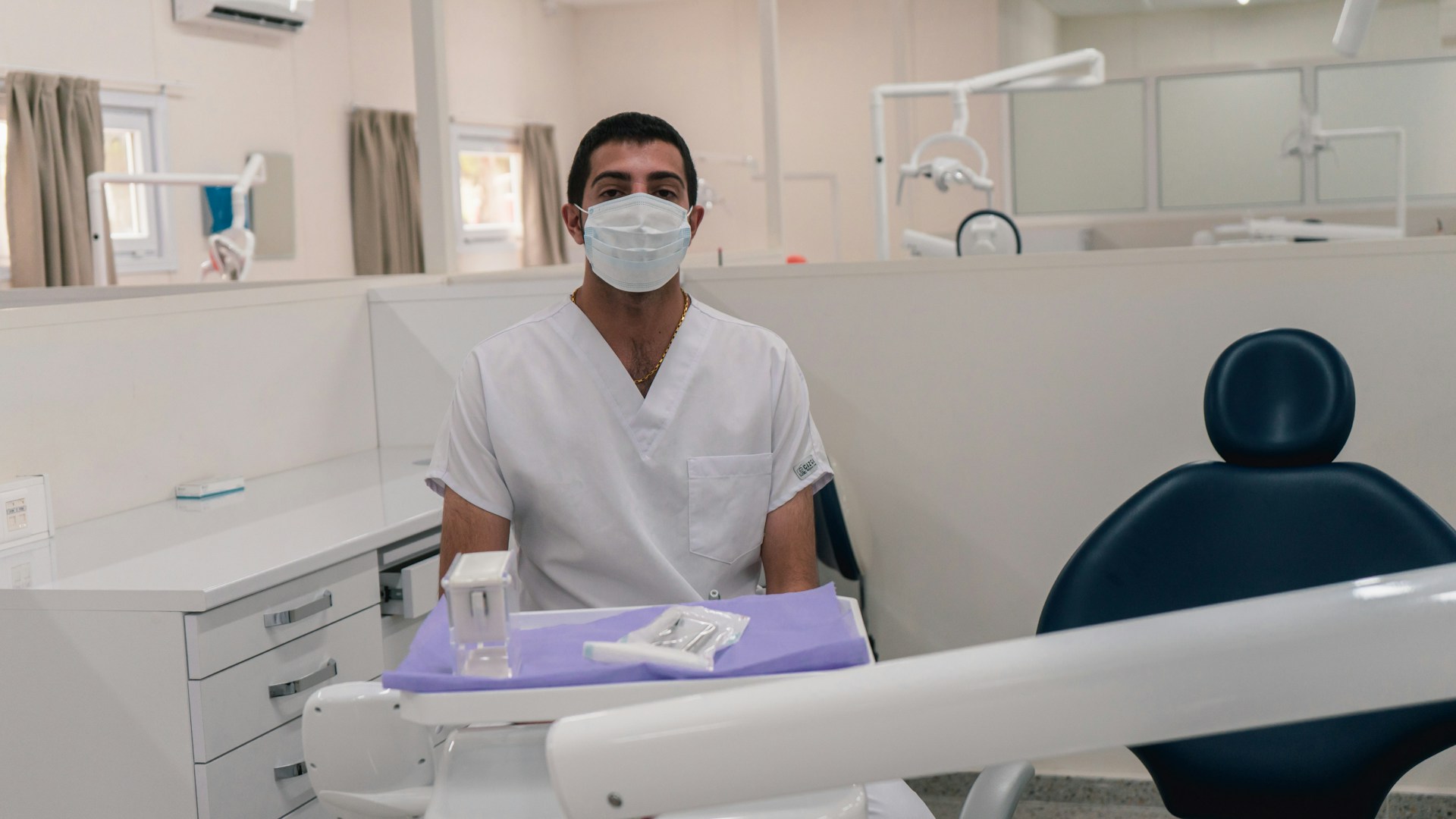
On the first day of a trip, many students arrive with a mix of excitement and uncertainty. They have studied dentistry in classrooms, but this is often their first time seeing how care is delivered in a different cultural and resource context. Preparing for dental volunteer trips is not only about packing supplies. It is about mindset, responsibility, and understanding what ethical engagement looks like.
At Smiles Movement, preparation is considered part of the learning process. Students gain hands-on experience in global dentistry while learning how to contribute respectfully within Global Health and Sustainable Development frameworks.
Dental Volunteer Trips and Setting the Right Expectations
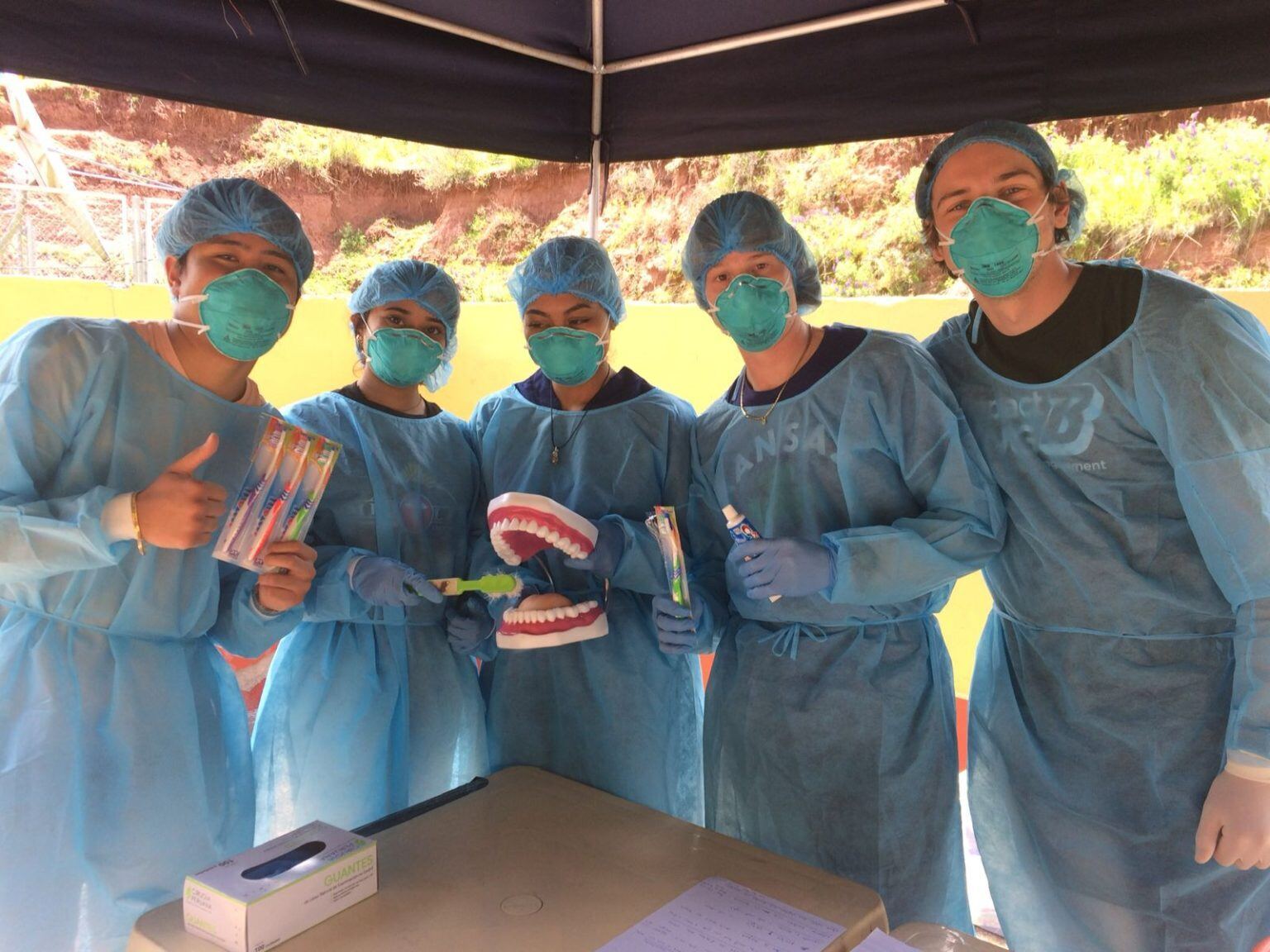
One of the most important steps in preparing for dental volunteer trips is understanding your role. Students are not expected to lead care or act beyond their training. Instead, they observe, support, and learn from licensed professionals and community leaders.
This approach reflects the principles of Ethical Volunteering. Programs should prioritize long-term impact, local expertise, and continuity of care. Short-term experiences are most valuable when they are grounded in listening and humility.
Before departure, participants are encouraged to explore resources like what makes a dental volunteer program ethical. This helps set a foundation for responsible engagement and realistic expectations.
Preparing for Volunteer Abroad Programs Beyond Logistics
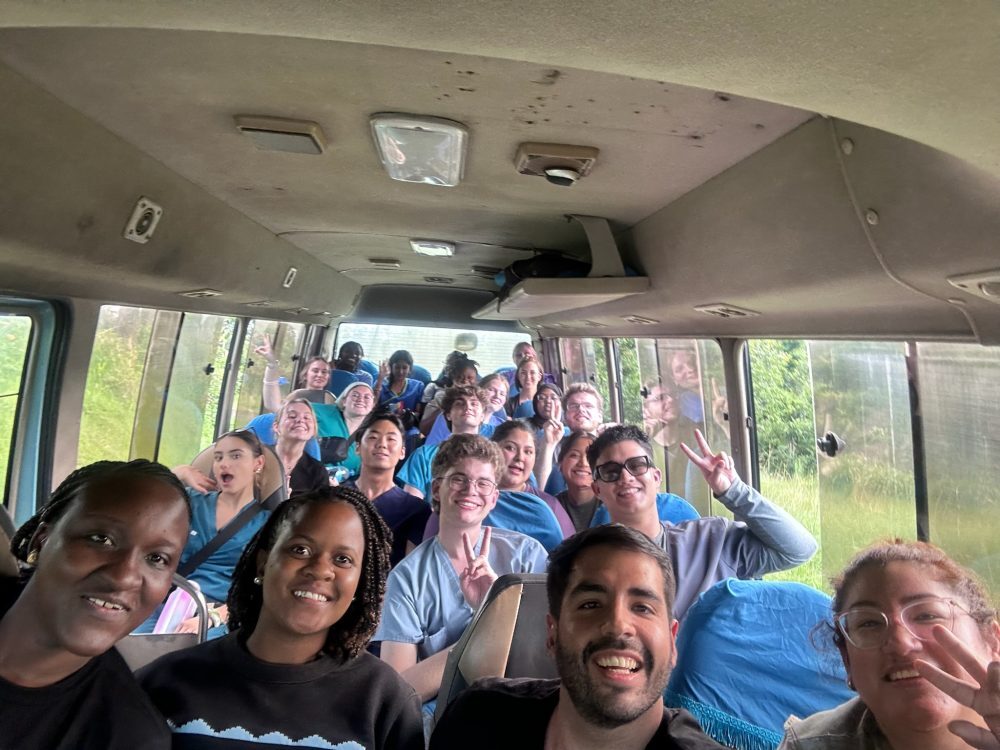
While travel logistics matter, preparation goes deeper than flights and packing lists. Strong volunteer abroad programs encourage students to learn about the communities they will visit, including cultural norms, healthcare systems, and common barriers to care.
Understanding these factors helps students communicate more effectively and build trust. Resources on cultural awareness in volunteering and language barriers in healthcare settings provide practical guidance.
Preparation also includes reflecting on motivation. Students often begin with a desire to help, but effective participation requires patience and openness to learning. Ethical programs emphasize growth, not performance.
Building Skills Before Volunteering Programs Abroad
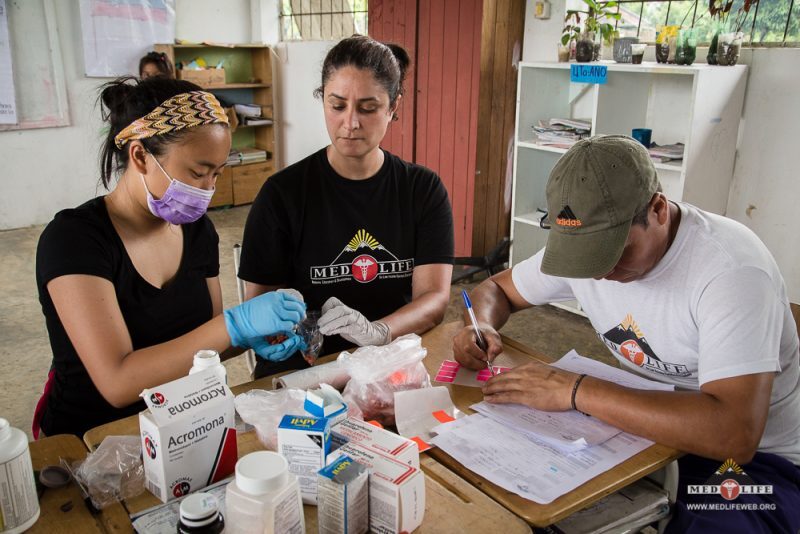
Students can prepare for volunteering programs abroad by strengthening both technical knowledge and interpersonal skills. Reviewing basic dental concepts, infection control practices, and patient communication strategies can increase confidence.
Equally important are soft skills such as adaptability, teamwork, and active listening. These skills are essential in community-based settings where flexibility is often required.
Experiences like shadowing dentists in global settings and gaining real-world experience as a pre-dental student can help students prepare before traveling. These opportunities provide context for how care is delivered outside of traditional clinical environments.
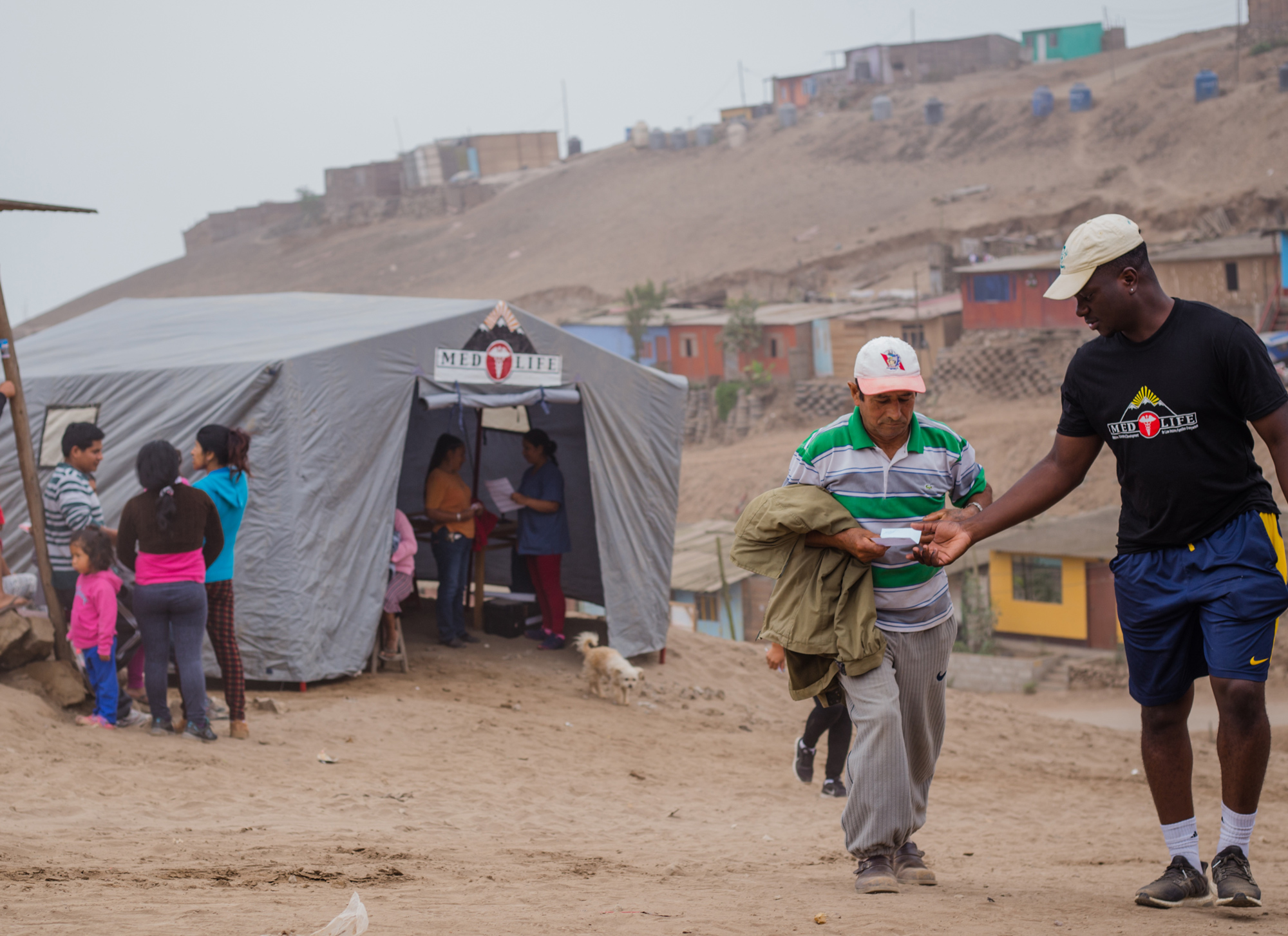
Understanding the Community Context
Preparation also means understanding that oral health challenges are often connected to broader social factors. Limited access to dental care, transportation barriers, and lack of preventive education all influence outcomes.
By learning about these factors in advance, students can better appreciate the role of prevention and education. This perspective is explored in the importance of dental education in underserved communities.
Students should also recognize that communities are not defined by need alone. They are defined by resilience, leadership, and local knowledge. Respecting this context is essential for meaningful engagement.
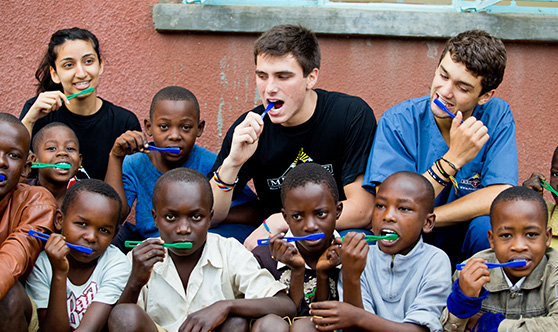
Learning Through Experience, Not Control
During dental volunteer trips, students are guided to observe how local professionals deliver care, manage resources, and build relationships with patients. This is where much of the learning happens.
Rather than focusing on what they can do independently, participants learn how to contribute within a team. This includes supporting workflows, assisting where appropriate, and reflecting on what they observe.
Articles on stepping outside your comfort zone abroad and experiential learning in dental education highlight how these experiences shape future professionals.
This approach supports Community Empowerment by reinforcing that lasting impact comes from collaboration, not individual action.

Preparing for Long-Term Impact
The goal of preparation is not only to ensure a smooth trip but to support long-term impact. Ethical programs are designed to complement ongoing community efforts rather than replace them.
Students who understand this are better equipped to engage thoughtfully and continue learning after the trip ends. They often return with a deeper appreciation for prevention, access, and the social dimensions of healthcare.
Educators can support this process by guiding students toward structured programs. Resources on what educators should look for in volunteer programs can help ensure quality experiences.
Join the Smiles Movement to Promote Oral Health
Preparing for dental volunteer trips is about more than logistics. It is about understanding your role, respecting community expertise, and approaching the experience with curiosity and humility.
To learn more about how you can get involved, start your journey by downloading our brochure. You can also directly assist communities in need by becoming a monthly donor and support programs built on ethical engagement and sustainable impact.