

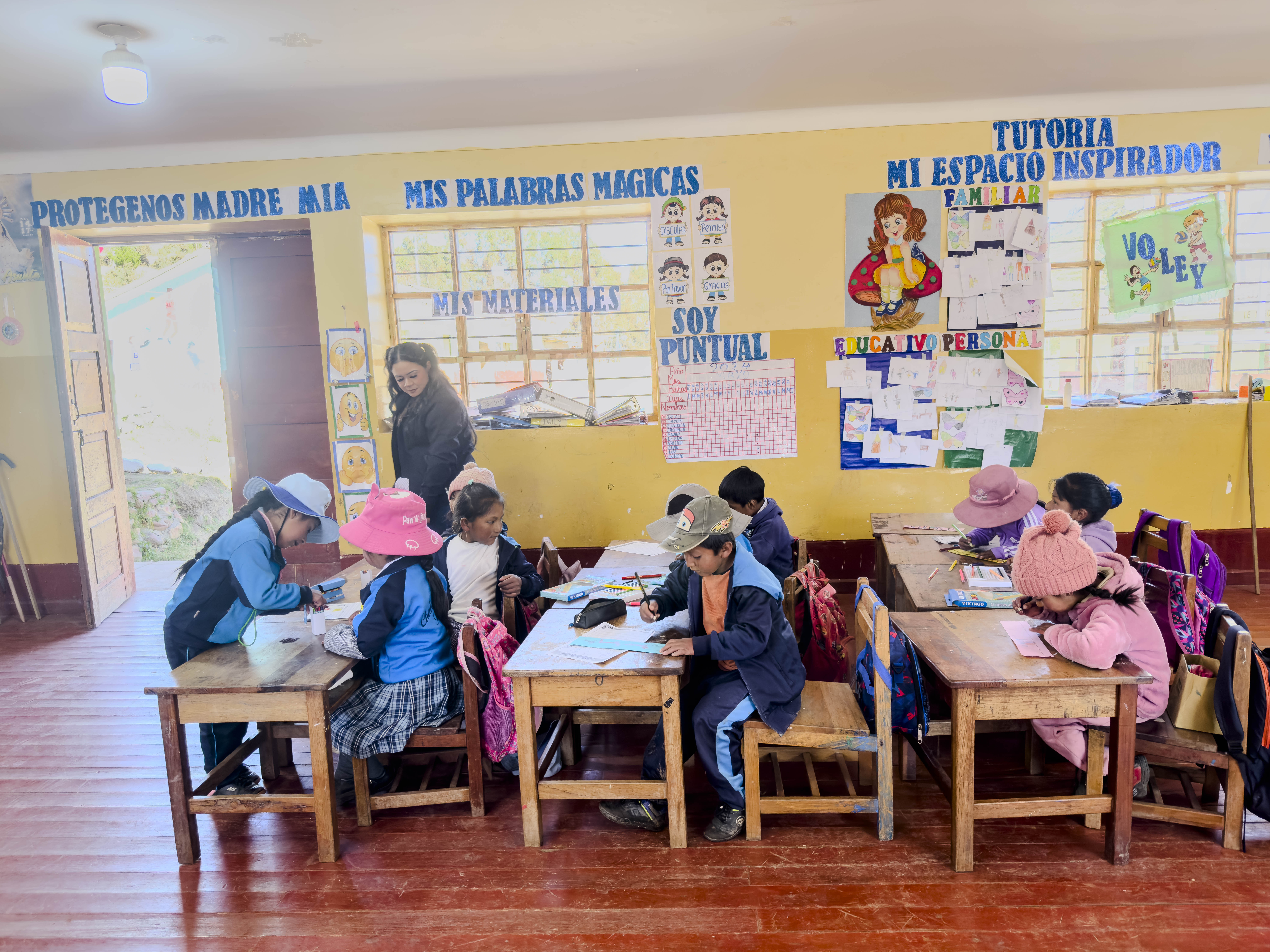
The connection between oral health and education is often overlooked and under-explored, but it plays a crucial role in a child's overall development and success. In many underserved communities across Latin America and Africa, poor oral health is a barrier that impacts both learning and long-term health. When children face dental problems, it goes beyond discomfort, it can hinder their ability to concentrate, participate in school activities, and even miss school days due to pain or treatment.
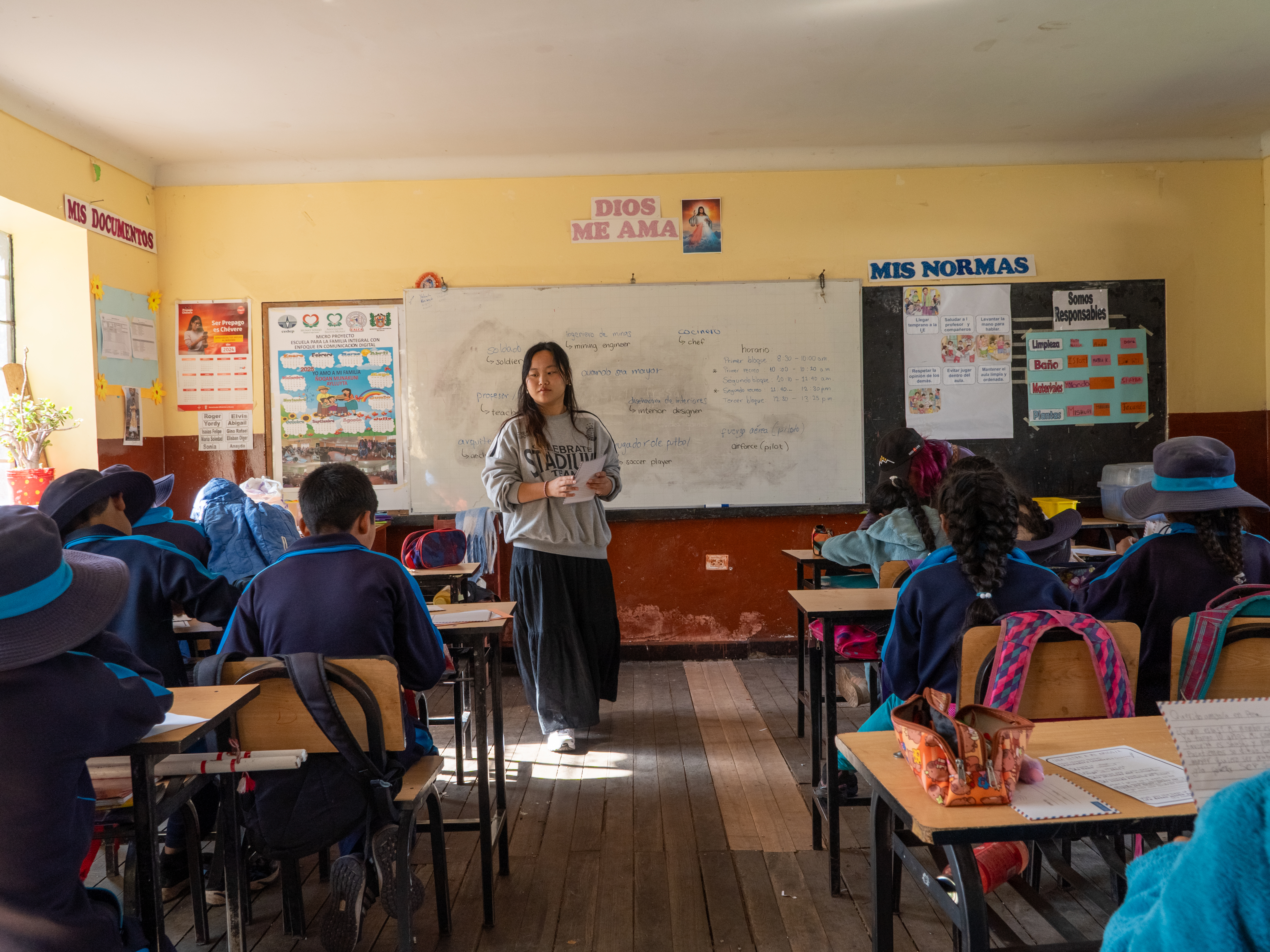
The Impact of Oral Health on Learning
When children suffer from untreated dental issues, the effects can ripple through their academic lives. Pain, absences, and low self-esteem can all contribute to lower academic performance. Research shows that children with poor oral health are more likely to have difficulty concentrating in class and perform worse on exams. Oral health and education are inherently linked because oral issues can directly affect a student’s ability to engage in the learning process.
For example, tooth decay, one of the most common dental problems in children, can lead to frequent school absences. When children miss school, they fall behind in their lessons, which compounds the problem. Furthermore, the embarrassment of having visible dental problems can lead to a lack of participation in school activities, including social interactions, which are crucial for emotional and social development.
The Role of Rural Dental Care
In rural areas in countries like Peru and Ecuador, the challenges surrounding oral health and education are often more severe. Limited access to dental care exacerbates these issues. Rural dental care is often scarce, with few healthcare providers available to offer regular check-ups, cleanings, or treatments. Plus with a lack of access to transportation or money to pay for procedures, serious dental issues often go untreated. This lack of access to dental care exacerbates dental issues which in turn deeply affect children’s ability to focus and thrive academically.
For children in rural communities, it’s not just about the physical pain caused by dental issues but also the emotional toll it can take. Many young students facing untreated dental issues struggle with low self-esteem, especially if they have visible dental problems that they feel make them stand out from their peers. Without routine dental care, these children face a much higher risk of falling behind in their studies and developing negative attitudes toward learning.
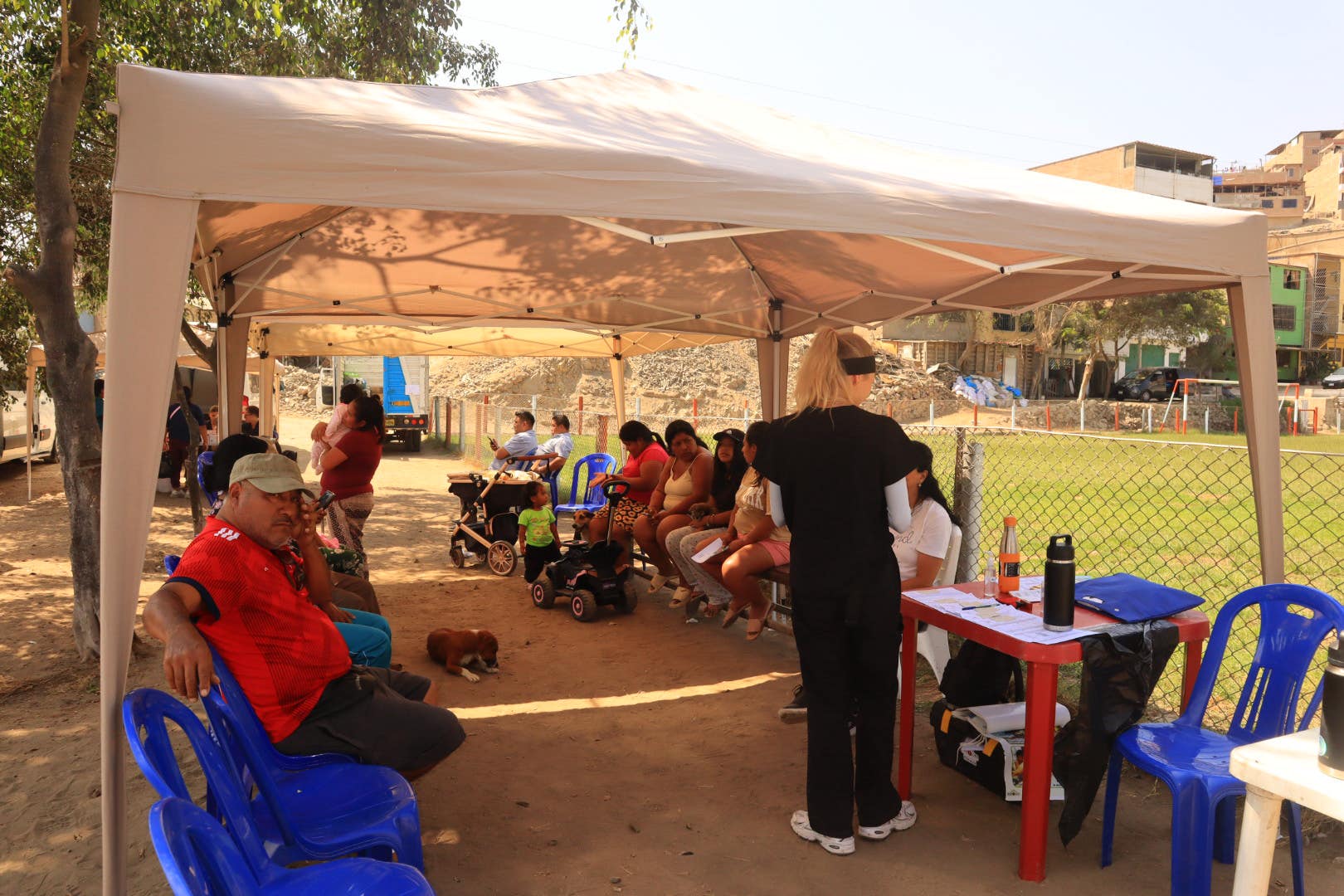
Healthcare Deserts and Their Impact
Healthcare deserts, areas where there is limited access to medical and dental care, are a significant contributor to the link between oral health and education. In a healthcare desert, families may have to travel long distances to receive basic dental care, and some families may even forgo treatment due to the high costs or travel barriers.
Improving Access to Oral Health Care
Improving oral health and education outcomes requires addressing the root causes of dental issues in underserved communities. Programs like Smiles Movement’s mobile dental clinics bring dental care directly to these communities, helping break down the barriers of access that exist in healthcare deserts. These mobile clinics ensure that children and families receive the treatment and education they need, without the obstacles of distance or cost.
By prioritizing both oral health and education, we can ensure that children are not only healthy but also equipped to succeed in school and beyond. As we work together to provide better rural dental care, we can begin to see improvements in educational outcomes for these vulnerable populations.
Ready to make a difference in global health? Join the Smiles Movement and help promote oral health in underserved communities. Check out our brochures to learn how you can get involved and make an impact.