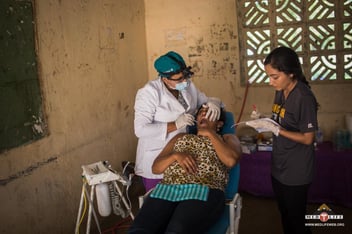

On the first day of a MEDLIFE mobile clinic, a student volunteer greeted a patient with the Spanish phrases she had practiced for weeks. The patient smiled politely but waited. A local nurse stepped in, explained the screening in the patient’s first language, and the room immediately felt calmer. The exchange was simple, but it captured an essential lesson. Overcoming language barriers is not about saying more. It is about understanding roles, trust, and responsibility.
For students interested in global health, dentistry, or medicine, language differences are one of the most common concerns about volunteering abroad. When programs are designed ethically, those differences become an important part of learning rather than a risk to patient care.
What Are Language Barriers in Global Health?
Before talking about solutions, it is important to understand what are language barriers in healthcare settings. Language barriers extend beyond vocabulary. They include dialects, health literacy levels, cultural norms, and how symptoms or pain are described.
In many communities where MEDLIFE works, patients may speak Indigenous languages or have limited access to formal health education. In clinical settings, misunderstandings can affect consent, follow-up, and patient comfort. This is why ethical programs never place untrained volunteers in charge of medical communication.
Students exploring Global Health often encounter these realities for the first time during structured Service Learning Trips.
How MEDLIFE Approaches Language Differences Ethically
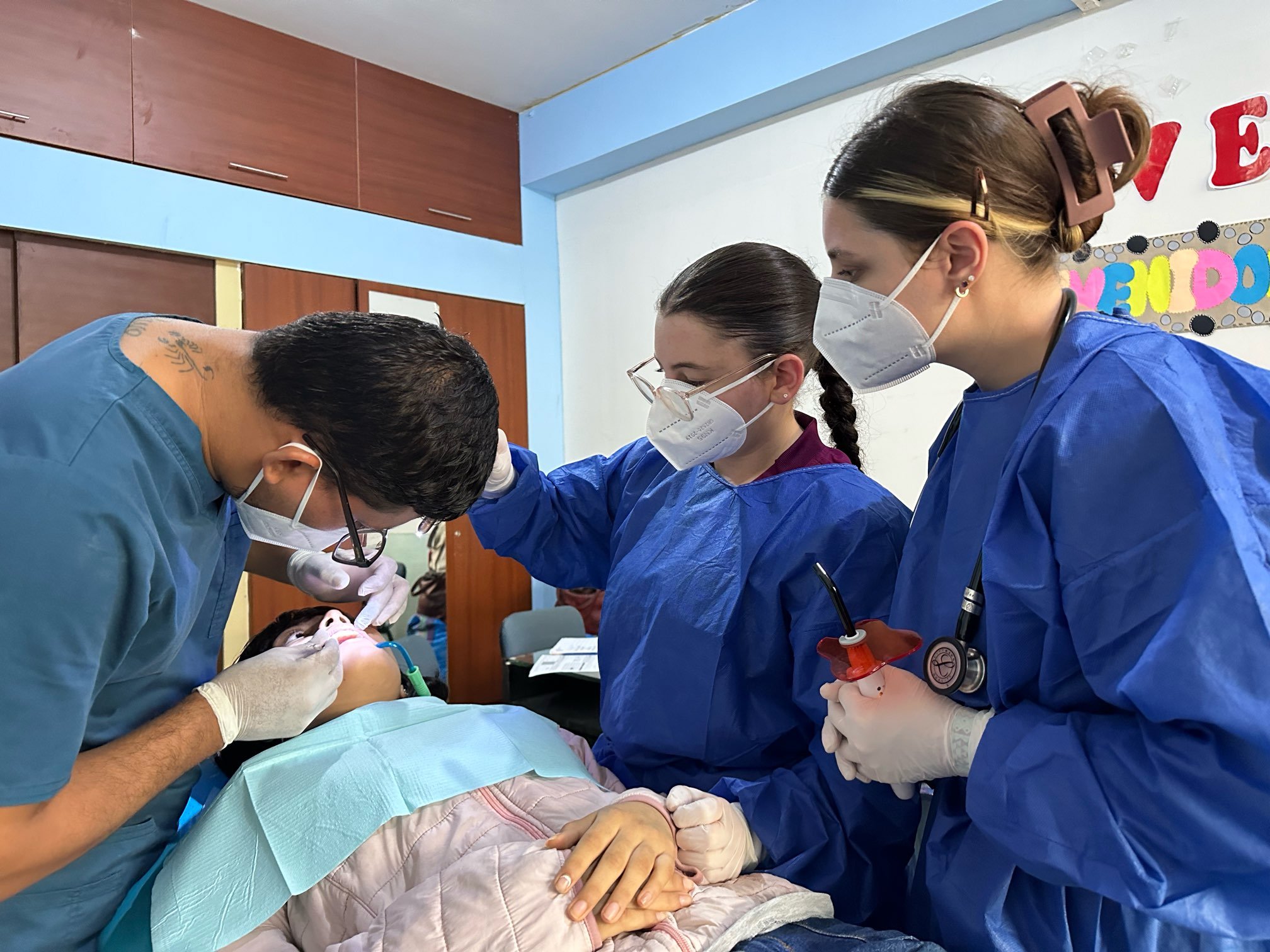
MEDLIFE addresses overcoming language barriers by centering local leadership. Local doctors, nurses, and community health workers lead all patient interactions, education sessions, and referrals. Students participate by assisting and observing within clearly defined roles.
This model aligns with principles discussed in resources on ethical volunteer programs, such as What Makes a Dental Volunteer Program Ethical?.
By relying on professionals who understand language, culture, and local health systems, MEDLIFE protects patients while giving students a realistic view of ethical care delivery.
How Students Learn Through Language Challenges
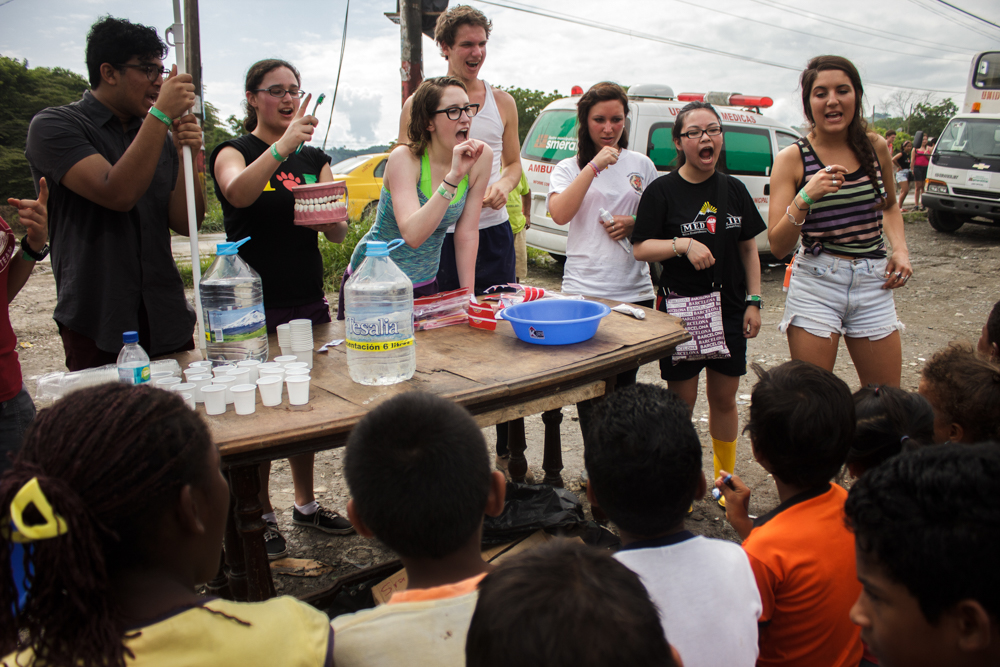
Many students arrive focused on learning phrases quickly. By the end of the trip, most realize that fluency was never the goal. Growth comes from learning when to step back and how to support communication led by others.
This shift is often described in reflections similar to those shared in How Volunteering Abroad Can Help You Step Outside Of Your Comfort Zone.
Students learn to rely on nonverbal communication, patience, and teamwork. These skills are essential for future healthcare professionals working with diverse populations at home and abroad.
Strategies for Overcoming Language Barriers in Healthcare
Ethical programs intentionally teach strategies for overcoming language barriers in healthcare that protect patients and support learning. These strategies include:
- Working alongside trained interpreters and local medical staff
- Learning basic health-related vocabulary before travel
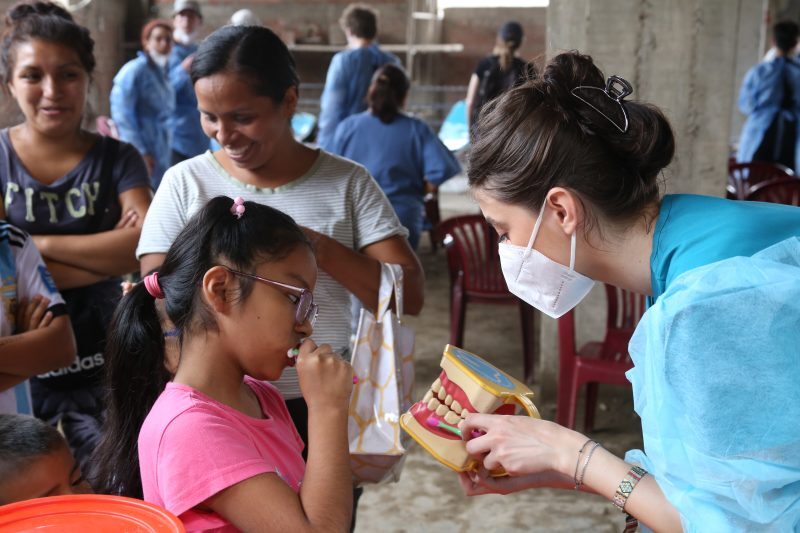
- Using visual aids during health and oral hygiene education
- Confirming understanding through local professionals
- Reflecting daily on communication challenges
These practices are explained further in guides on communicating with patients across languages, including Language Barriers in Healthcare: How Volunteers Can Communicate with Patients.
Community Trust and Long-Term Impact
For communities, clear communication builds trust over time. MEDLIFE emphasizes follow-up care so patients receive explanations, results, and referrals in their primary language. This continuity encourages long term engagement with local healthcare systems.
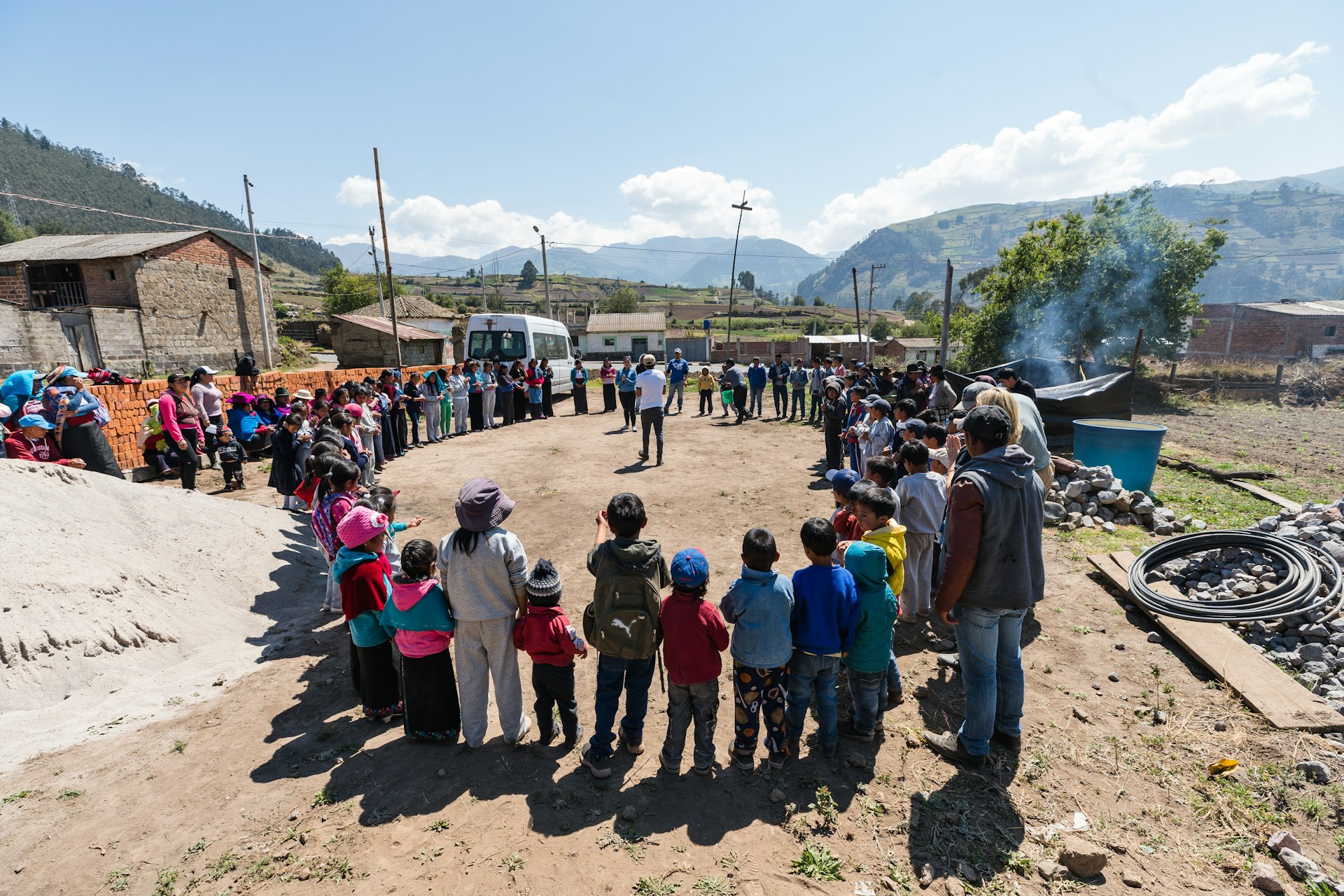
Development projects depend on the same principles. Community meetings are conducted in the local language, allowing residents to guide decisions and timelines. This approach reflects MEDLIFE’s commitment to Sustainable Development and Community Empowerment.
Students interested in these dynamics can explore more about cultural sensitivity in volunteer work through The Role of Cultural Sensitivity in Volunteer Dental Work.
Why Listening Matters More Than Speaking
For students considering international service, overcoming language barriers starts with listening. Ethical volunteering is not about delivering care independently. It is about learning from professionals who understand the community and supporting systems that already exist.
Preparation resources such as Easy Spanish Phrases to Learn Before Going Abroad can build confidence while reinforcing realistic expectations.
These lessons often shape how students approach healthcare, ethics, and communication throughout their careers.
Join the Smiles Movement to Promote Oral Health
Learning to navigate language differences is a foundational skill for ethical healthcare and service. Through structured programs and local leadership, students gain meaningful experience without compromising patient safety.
Start your journey by downloading our brochure.
To directly support sustainable healthcare and development projects, donate today and help expand access to ethical care.