

Post Bacc Dental Programs: How to Choose the Right One
Maybe you finished college without the science classes dental schools require. Or maybe you took them, but your grades do not show what you can do now. Either way, you might be wondering if there is a second route into dentistry.
Post bacc dental programs are one of those routes. A post bacc program is a set of courses you take after you earn a bachelor's degree. In this guide, you will learn what post bacc dental programs are and which type fits your situation. You will also see how to compare programs and how to keep building experience while you study. By the end, you will have a clear set of questions to ask before you apply to any program.
What post bacc dental programs are and who they serve
The word "post bacc" is short for post-baccalaureate. It simply means study after your first degree. Most programs fall into two groups.
Career-changer programs
These programs serve students who did not take pre-dental science courses in college. Many of them majored in business, art, history or another field. A career-changer program helps them complete prerequisites such as biology, general chemistry, organic chemistry and physics. Each dental school sets its own list, so always check the schools you want.
Record-enhancer programs
These programs serve students who already took the core sciences. Their goal is to show stronger, more recent academic work. Students often take upper-level courses such as biochemistry, physiology or microbiology. Strong grades in harder courses can help admissions committees see your current ability.
Informal post bacc study
Some students build their own plan. They enroll at a local college or university as non-degree students and take the courses they need. This option can cost less and offer more flexibility. It usually comes with less advising, so you need to plan carefully.
How to compare post baccalaureate pre dental options
Once you know which type fits you, compare programs side by side. Use the same questions for each one.
- Advising. Does the program have a pre-health advisor? Will that person help you plan your timeline and review your application?
- Committee letter. Some programs write a committee letter of evaluation. Ask whether you qualify after one year or two.
- Linkage agreements. A few programs have linkage agreements with dental schools. These agreements can offer an early review of your application. Admission is never certain, so read the terms closely.
- Course timing. Check how fast you can finish prerequisites. Also check when you could take the DAT.
- Cost and format. Compare tuition, fees, aid options and whether classes fit around a job.
The ADEA GoDental site is a good starting point for general information about preparing for dental school. You can also ask admissions offices how they view post bacc coursework. Many will answer that question directly.
If your undergraduate grades are the main concern, an honest plan matters more than speed. Taking a few hard courses and doing well can tell a clearer story than taking many courses at once.
Build experience while you complete your coursework
Dental schools look at more than grades. They want to see that you understand the profession and have spent time around patients. A post bacc year is a good time to add that experience.
Start with shadowing. Spend time with a general dentist, then try to see one or two specialties. Keep a log of your hours, the setting and what you observed. Our guide on best volunteering for dental school can help you choose service that fits your goals.
Next, look for community service with a health focus. Free clinics, school health fairs and oral health education projects are good options. These roles help you practice talking with people from different backgrounds.
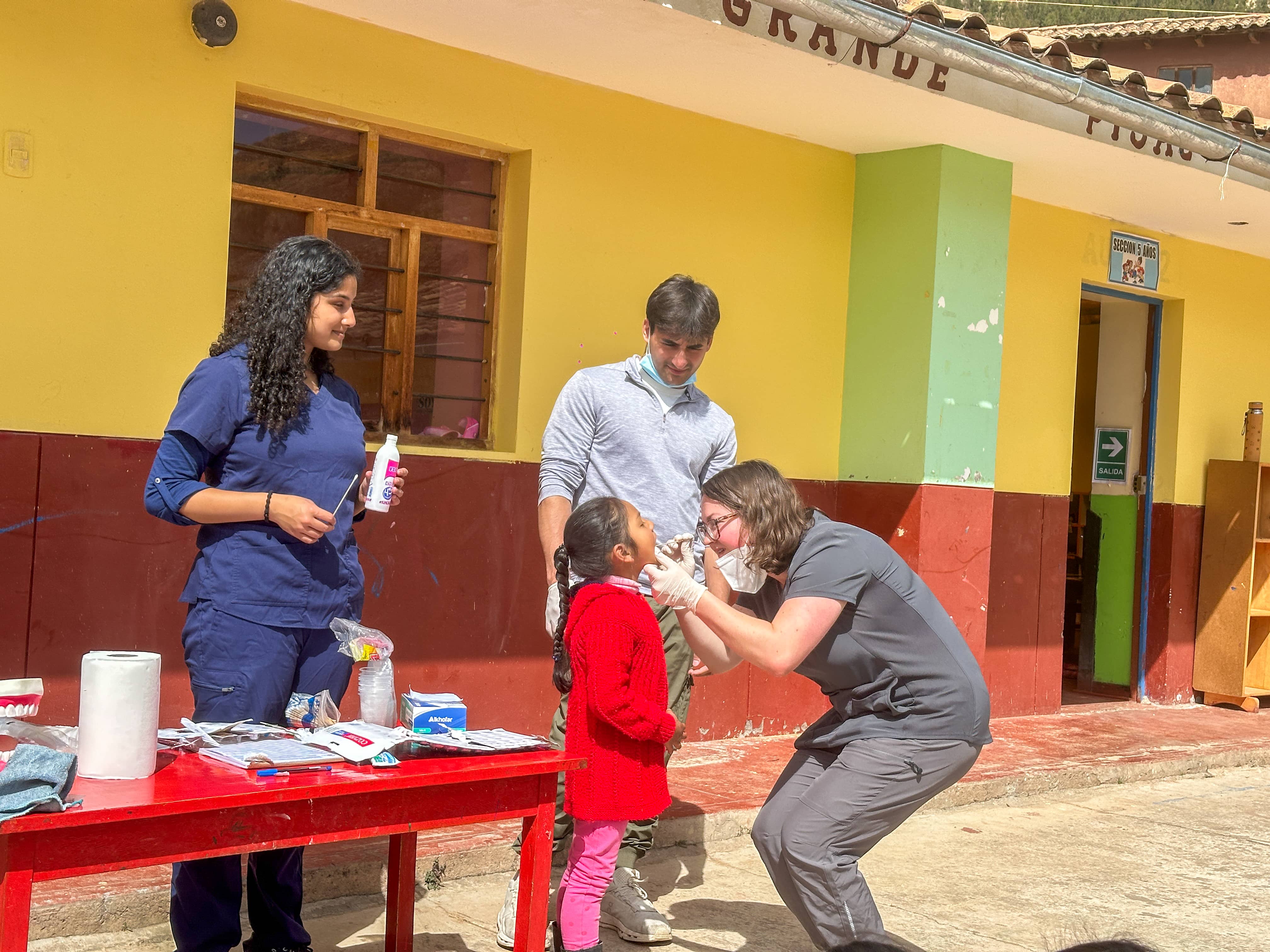
A dental service learning trip is another way to add experience during a break between terms. On Smiles Movement trips, students shadow local dental professionals at mobile clinics and help with oral health education for children in partner communities. You can read more about why real-world experience matters for pre-dental students.
Finally, reflect as you go. Write down what each experience taught you. Those notes will help when you write your personal statement and prepare for interviews.
Plan your next step toward dental school
Post bacc dental programs can give you a fresh start or a stronger record. The right choice depends on your coursework, your grades and your schedule. Pair your classes with steady experience, and you will have more to share when you apply. If you want to add observation in a community setting, Smiles Movement can help. Fill out the form or download our brochure to get more information about upcoming programs and trip dates.
Frequently asked questions about post bacc dental programs
Do I need a post bacc program to get into dental school?
No. Many students apply straight from college. A post bacc program helps if you are missing prerequisites or want to show stronger recent grades.
How long do post bacc dental programs take?
Most take one to two years. The length depends on how many courses you need and whether you study full time or part time.
Is a formal program better than taking classes on my own?
It depends on your needs. Formal programs often include advising and committee letters. Taking classes on your own can cost less and fit around work, but you plan more on your own.