

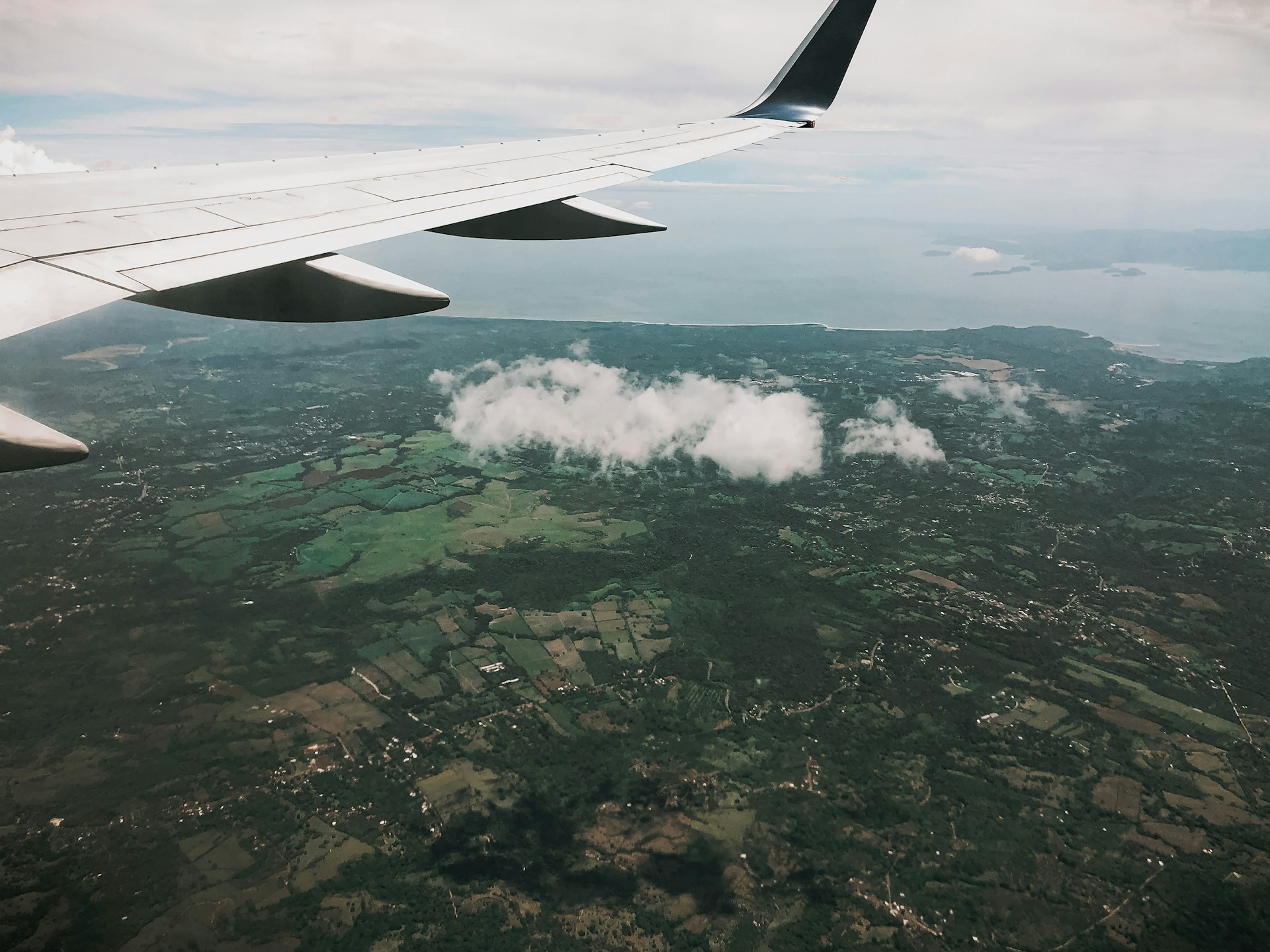
The first photo is probably a blurry airplane window shot over the clouds.
Then comes a group selfie in matching scrubs. A plate of gallo pinto. A toucan perched above the trees. A volunteer laughing during a Spanish lesson. A sunset in Tamarindo that somehow looks edited even though it is not.
When you volunteer in Costa Rica, your camera roll quickly becomes more than a travel album. It turns into a collection of moments that connect adventure, learning, and community in a way that is difficult to explain until you experience it yourself.
At Smiles Movement, students join Service Learning Trips not to “save” communities, but to learn from local leaders, support ongoing healthcare initiatives, and better understand how oral health connects to broader community wellbeing. Along the way, they also get to explore Costa Rica through rainforests, beaches, cultural experiences, and conversations that stay with them long after the trip ends.
Your First Camera Roll Dump Starts With Community
Most volunteers arrive expecting a week filled with clinics and sightseeing. What surprises many students is how quickly the people become the center of the experience.
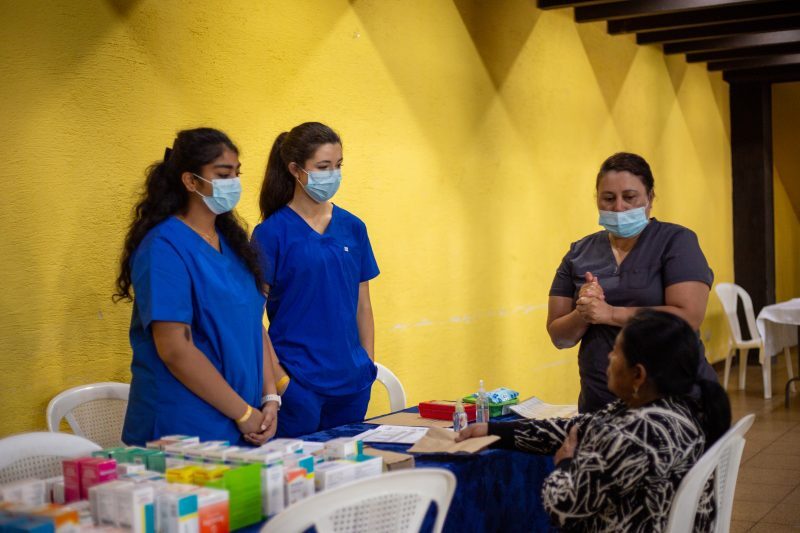
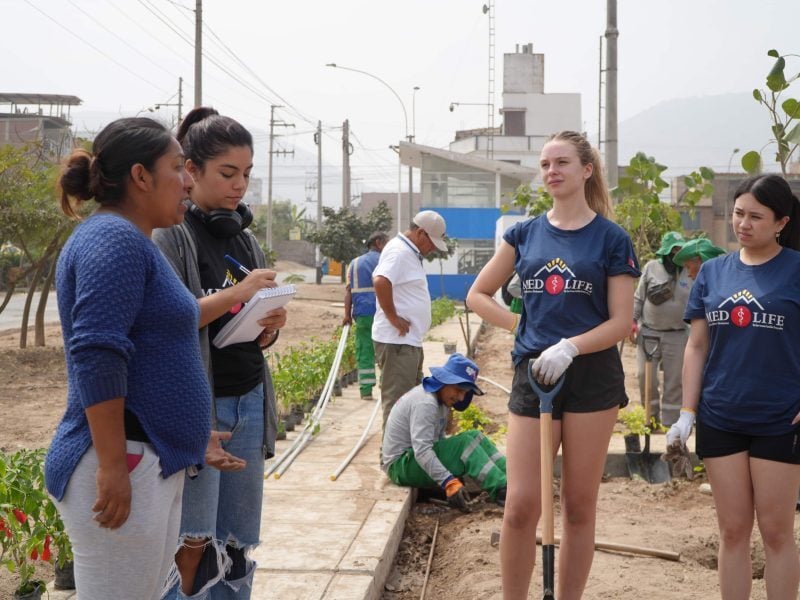
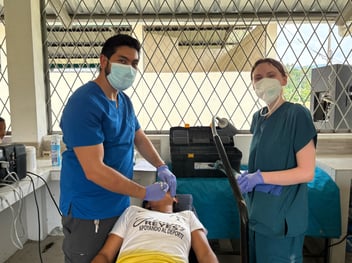
During mobile clinics, volunteers work alongside local healthcare professionals while supporting patient intake, oral health education, and community outreach. The experience is structured, ethical, and collaborative. If you want to understand how these trips combine service with cultural immersion, learn more about how volunteers work alongside local healthcare professionals and immerse themselves in Costa Rican culture.
Instead of dropping into communities for one-time experiences, Smiles Movement partners with local teams already leading long-term healthcare and development initiatives. Students learn by listening first. That often becomes one of the most meaningful parts of the trip.
Some photos capture clinic days. Others capture quieter moments like conversations during lunch, children practicing brushing techniques, or reflections shared during evening debriefs.
Those are usually the photos students revisit the most.
The Photos Get Better Once You Explore Costa Rica
There is a reason Costa Rica fills entire camera rolls within days.
One moment you are assisting with oral health education. The next, you are surrounded by volcanic landscapes, tropical wildlife, or Pacific coast sunsets. Students often describe the balance of service and exploration as one of the most memorable parts of the experience.
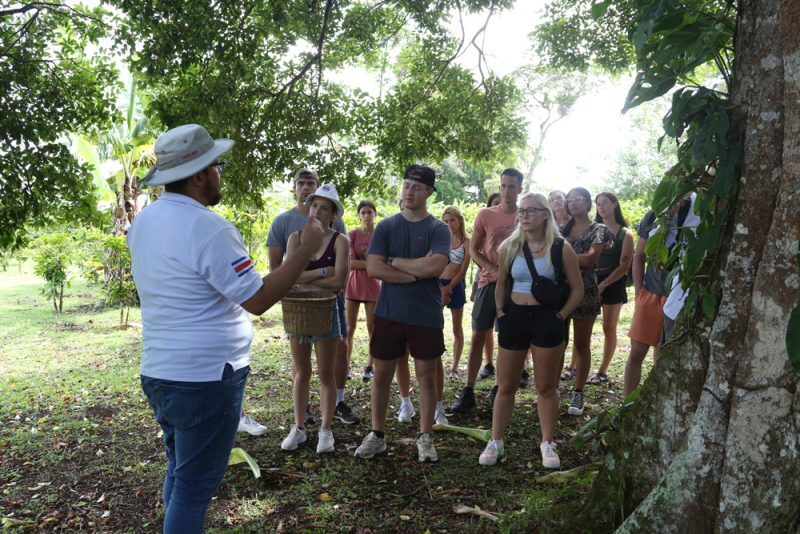
Many volunteers enjoy guided excursions to beaches, rainforests or volcanoes during their trip. These activities help students better understand Costa Rica’s geography, biodiversity, and culture while also creating time for reflection and connection with fellow volunteers.
Some of the most photographed moments happen during the Guanacaste portion of the itinerary. Students experience tubing and zip-lining at Hacienda Guachipelin, followed by evenings relaxing in natural hot springs surrounded by rainforest scenery.
Then come the waterfall photos.
Volunteers often hike to Rincón de la Vieja National Park and Oropendula Waterfall, where suspension bridges, jungle trails, and turquoise water quickly become highlights of the week.
If you are searching for the best places to see in Costa Rica, these experiences consistently end up at the top of students’ lists.
Your Camera Roll Starts Looking Like a Travel Documentary
By the middle of the trip, the photos become increasingly random in the best way possible.
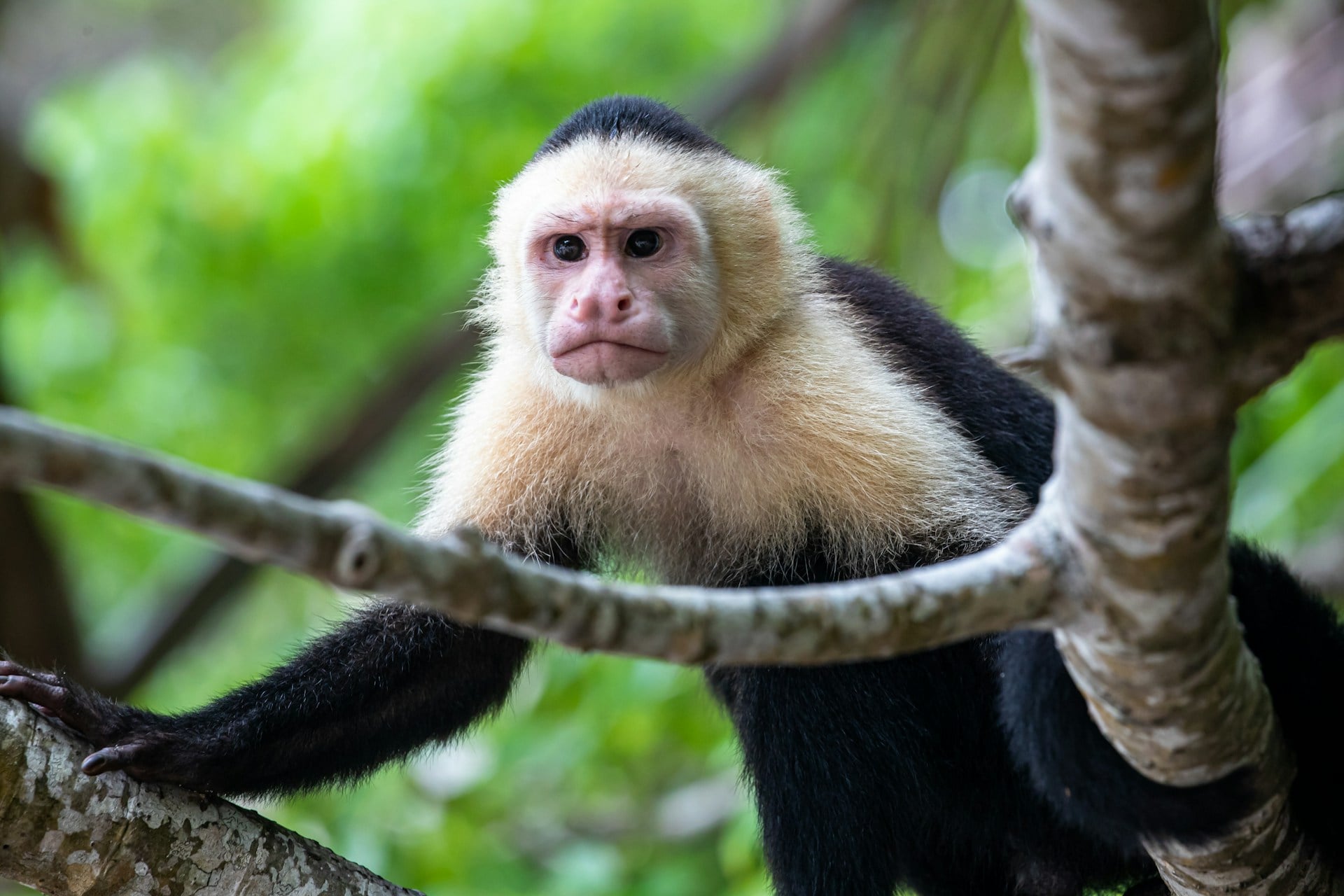
- A monkey crossing the road.
- Fresh tropical fruit from a roadside stand.
- Your group covered in mud after an adventure tour.
- A blurry video of waves crashing in Tamarindo because nobody could stop talking long enough to hold the phone still.
Students also participate in cultural experiences that go beyond tourism. Many volunteers join a boat tour through Palo Verde National Park and visit Guaitil Town, where they learn about traditional Chorotega pottery and Costa Rica’s ecological diversity.
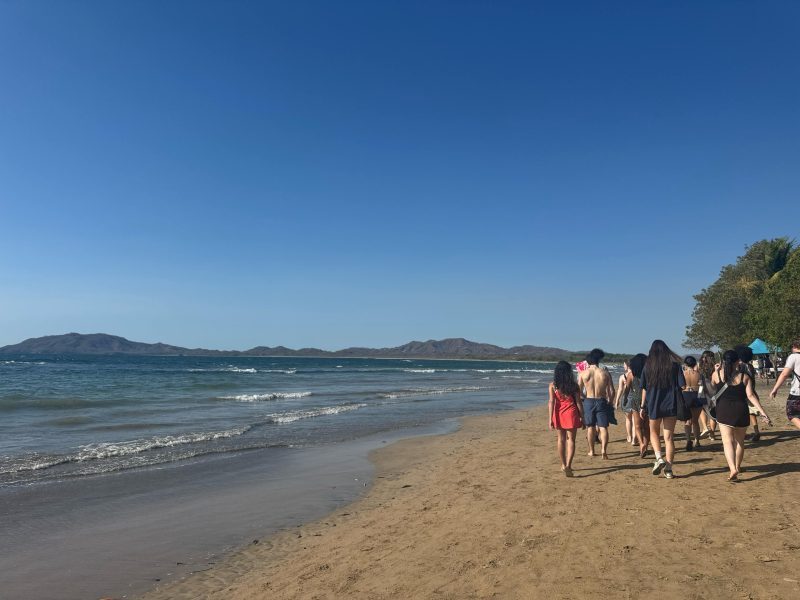
Others spend downtime exploring beach towns and local restaurants. Some students spend a free day exploring Tamarindo’s beaches and sunsets while reflecting on the week with fellow volunteers.
The combination of healthcare outreach, cultural learning, and travel experiences creates a different type of study abroad atmosphere. Students gain practical exposure to Global Health, while also developing cultural awareness and adaptability through real-world interaction.
The Best Photos Usually Aren’t the Scenic Ones
Costa Rica is visually stunning, but many students say their favorite memories are the unexpected moments.
- A volunteer practicing Spanish phrases with a local child.
- A team reflection after a long clinic day.
- The realization that healthcare access looks very different depending on geography, transportation, and income barriers.
These moments often reshape how students think about dentistry, medicine, and Sustainable Development. Instead of viewing volunteering as charity, participants begin to understand the importance of long-term partnership, prevention, and community-led care.
That perspective matters.
Smiles Movement emphasizes Ethical Volunteering by ensuring students work within supervised roles alongside licensed professionals and local staff. Volunteers are there to support existing systems, not replace them. If you are interested in learning more about this approach, read What is Voluntourism? and explore how ethical service learning differs from short-term mission models.
Students also gain valuable Hands-on Experience while learning how oral health connects to education, nutrition, confidence, and long-term well-being.
Why Students Keep Recommending Costa Rica
For many volunteers, Costa Rica becomes their first introduction to service learning abroad.
Some arrive interested in dentistry or healthcare careers. Others simply want to travel with more purpose. Almost all leave with a broader understanding of Community Empowerment, cultural humility, and global healthcare challenges.
The setting itself also makes the experience unforgettable.
From Playa Tamarindo and Playa Langosta surf beaches to rainforest hikes and wildlife encounters, Costa Rica offers students opportunities to connect with nature while learning from the communities they serve.
The country’s “Pura Vida” mindset also shapes the atmosphere of the trip. Volunteers often experience the Pura Vida lifestyle with its sun-kissed beaches and lush rainforests, which encourages slowing down, being present, and appreciating human connection.
By the time the trip ends, most camera rolls contain hundreds of photos.
Very few of them are posed.
More Than Just a Travel Album
The photos matter because they represent growth.
They document moments where students stepped outside their comfort zones, learned from local communities, explored new environments, and participated in ethical service experiences rooted in long-term partnership.
For many participants, the experience continues shaping their academic goals, career interests, and understanding of healthcare long after they return home.
If you are considering whether to volunteer in Costa Rica, the experience is not about creating the perfect travel aesthetic. It is about learning through service, building meaningful relationships, and understanding how healthcare, education, and development intersect in real communities.
Your camera roll just happens to come along for the journey.
Join the Smiles Movement to Promote Oral Health
Start your journey by downloading the Smiles Movement brochure.
You can also directly assist communities in need by becoming a monthly donor through MEDLIFE’s Moving Mountains campaign.
.jpeg?width=352&name=20230509_183639_44A5FB%20(3).jpeg)