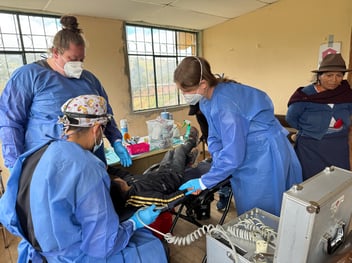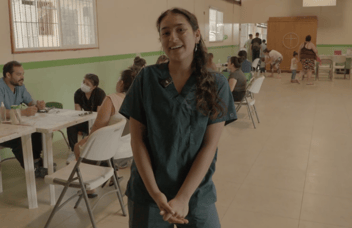

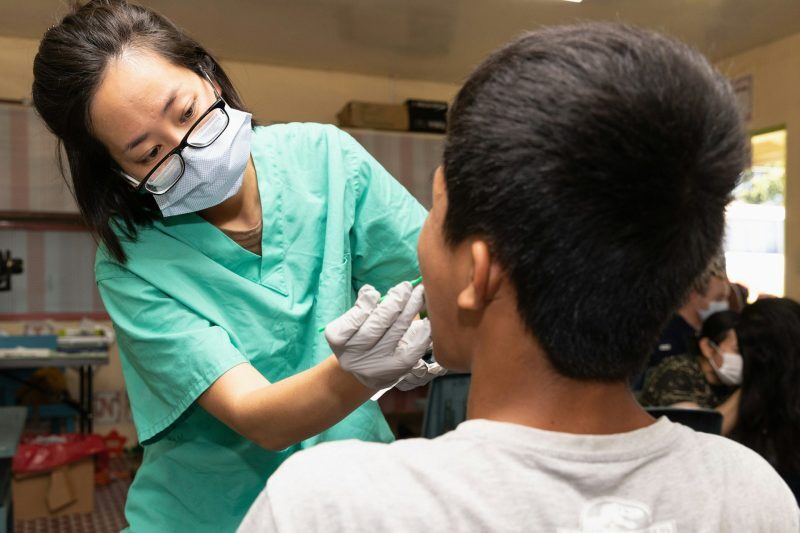
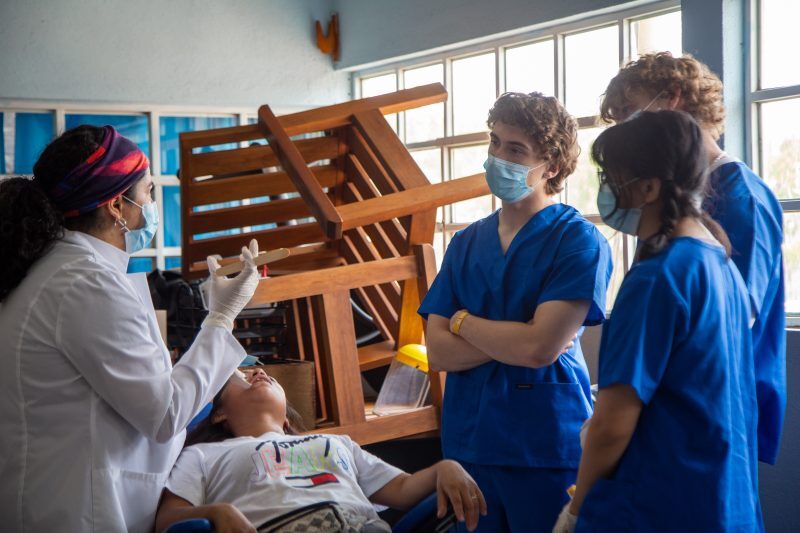
In a hillside community clinic, a routine screening can reveal early signs of cavities or gum disease that might otherwise go unnoticed. For many patients, this is the first time someone has explained how daily habits connect to long-term health. These moments highlight why preventative dental care is so important, especially in communities where treatment is harder to access.
At Smiles Movement, prevention is not treated as an afterthought. It is central to improving Global Health outcomes and supporting Sustainable Development. Through ethical programs, students gain hands-on experience in global dentistry while learning how early care can change long-term outcomes.
What Is Preventive Dental Care and Why Does It Matter?
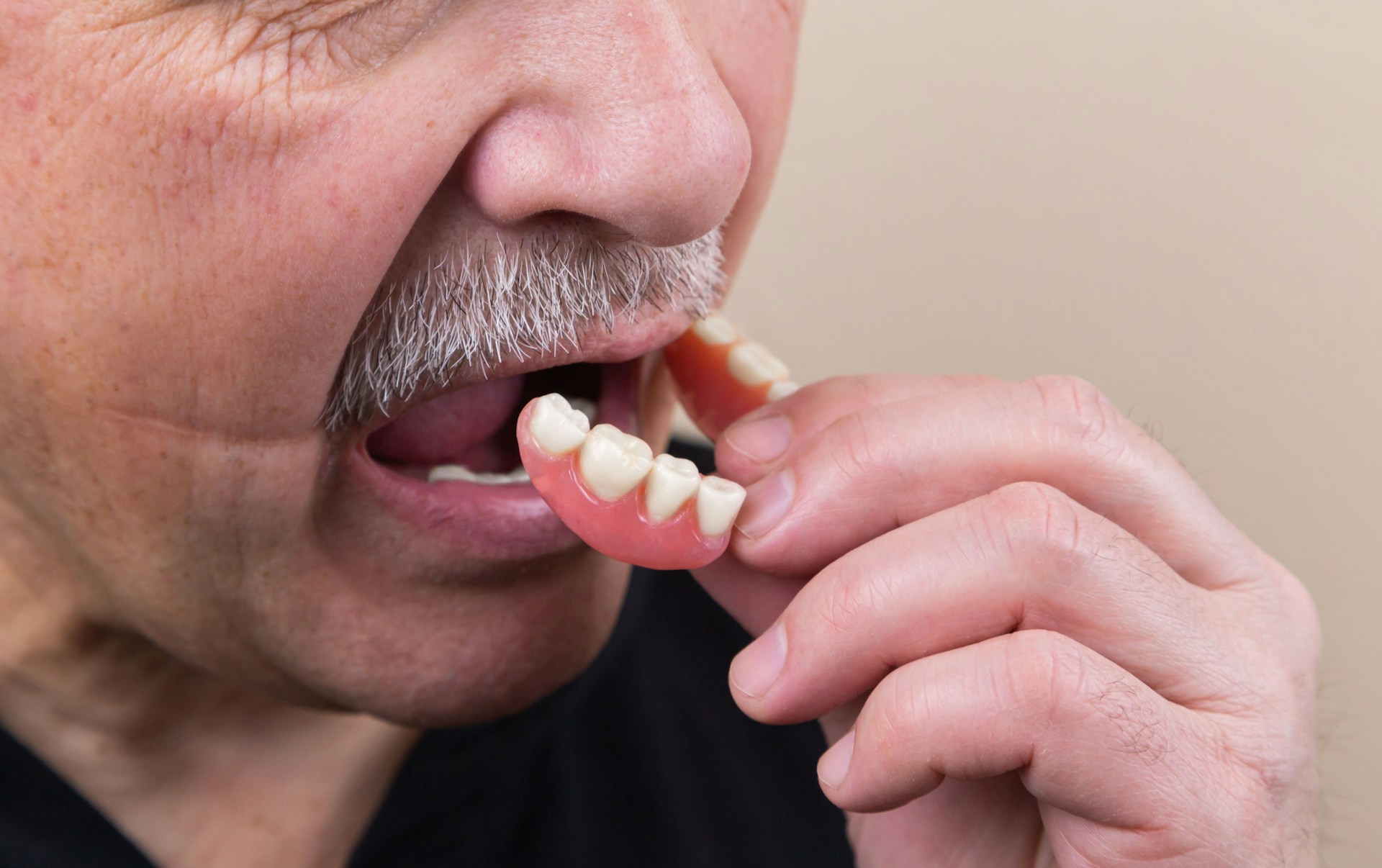
So, what is preventive dental care? It includes regular checkups, cleanings, early screenings, patient education, and daily hygiene practices that stop problems before they start. In well-resourced settings, these services are often routine. In underserved areas, they are not always guaranteed.
Without consistent prevention, small oral health issues can quickly become painful and complex. This is where gaps in access to dental care become visible. When patients cannot easily reach clinics or afford visits, prevention is delayed and treatment becomes the only option later.
Education plays a major role here. Teaching children and families how to care for their teeth can reduce long-term complications. That is why dental education in underserved communities remains a key part of sustainable programming. Prevention begins with understanding, not just treatment.
Preventative Dental Care and Access to Dental Care
Preventative care only works when it is accessible. In many low-income or rural communities, structural barriers make routine visits difficult. Transportation may be limited. Clinics may be far away. Costs can discourage early care.
Improving access to dental care requires more than building clinics. It involves trust, education, and systems that support long-term engagement. Public health approaches focus on making care consistent and approachable rather than reactive.
Smiles Movement emphasizes Ethical Volunteering by working alongside local professionals and community leaders. Students are guided to observe, support, and learn rather than lead. Through experiences like shadowing dentists in community settings, participants see how prevention is integrated into broader care systems.
This approach reinforces an important idea. Prevention is not a single event. It is part of an ongoing relationship between patients and providers.
The Ripple Effects of Prevention on Community Health
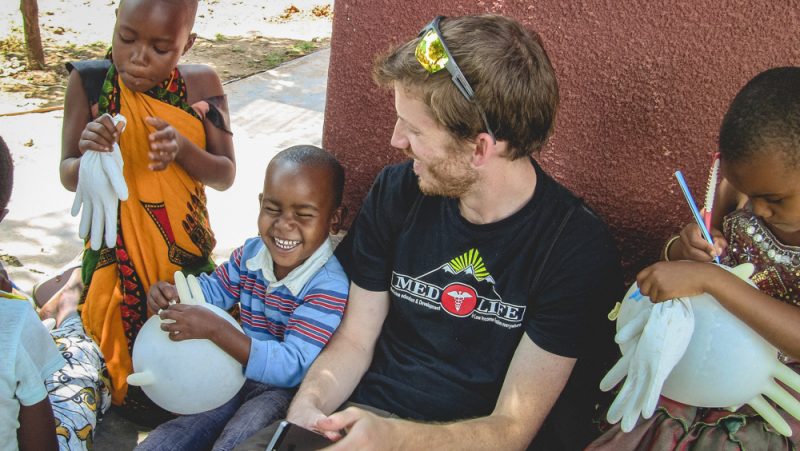
When preventative dental care becomes consistent, the benefits extend beyond oral health. Children who are free from dental pain are better able to focus in school. Adults are more likely to maintain regular routines and productivity. Families spend less time and money on emergency care.
This ripple effect is why prevention is considered a public health priority. It supports education, economic stability, and overall well-being. Smiles Movement explores this connection in its discussion of how dental care impacts children’s development.
Preventative care also builds confidence. When patients understand their health and feel comfortable seeking care, they are more likely to return for follow-ups. This creates a cycle of consistency rather than crisis.
Learning Through Ethical, Community-Based Experiences
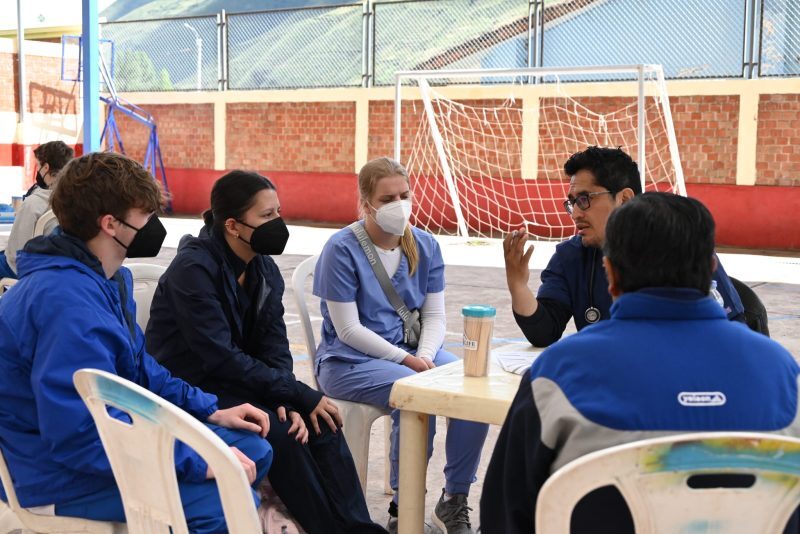
For students, understanding prevention often starts with exposure. Many arrive with a desire to help but leave with a deeper understanding of systems, equity, and responsibility.
Through Smiles Movement programs, participants develop clinical awareness alongside cultural humility. They learn how communication, trust, and respect shape patient outcomes. Resources on cultural awareness in volunteering and navigating language barriers in healthcare highlight these lessons.
These experiences are designed to support Community Empowerment, not replace local expertise. Students gain perspective on how prevention fits into a much larger healthcare ecosystem.
Educators also recognize the value of this model. Structured programs that emphasize learning and ethics are more effective than unstructured volunteering. Guidance on choosing ethical dental programs helps ensure students engage responsibly.
Building a Future Centered on Prevention
The future of dentistry depends on strengthening prevention and making it accessible to all communities. This means investing in education, supporting local providers, and creating systems that prioritize early care.
Experiential learning plays an important role in this shift. Students who participate in meaningful programs gain insight into how prevention connects to broader issues like infrastructure, education, and economic opportunity. Articles on experiential learning in dental education and building real-world experience as a pre-dental student explore how these experiences shape future professionals.
Preventative dental care is not just about avoiding cavities. It is about creating conditions where people can maintain their health consistently and with dignity.
Join the Smiles Movement to Promote Oral Health
Preventative dental care matters because it shifts the focus from reacting to problems toward building healthier communities over time. When prevention is accessible and understood, the need for emergency care decreases and overall wellbeing improves.
To learn more about how you can get involved, start your journey by downloading our brochure. You can also directly assist communities in need by becoming a monthly donor and support programs rooted in ethical engagement and long-term impact.
.jpg?width=352&name=b17ebfe9-0d62-4a1e-8cd1-382a8c1a0dbb%20(1).jpg)