
Volunteer in Ecuador: A Dental Service Learning Guide
Ecuador draws students for many reasons. It has Andean cities, Indigenous cultures, Spanish practice in daily life and health systems that work differently from those at home. For pre-dental students, it can also be a place to see how dental teams serve communities with limited access to care.
If you want to volunteer in Ecuador, the program you choose matters more than the destination. In this guide, you will learn what a dental service learning trip in Riobamba usually involves, how to prepare before you travel, and which questions help you choose an ethical program. You will also find practical steps for passports, health and safety planning. By the end, you will know what to ask before you commit to a trip.
Why students volunteer in Ecuador
Riobamba sits in Ecuador's central Andes, in the province of Chimborazo. Smiles Movement, by MEDLIFE, runs dental service learning trips there with local partners.
Students often choose Ecuador to learn about health access in a new context. Public and private care, distance to clinics and cost can all shape whether families get dental care. Our article on healthcare in Ecuador explains the basics of the system. For a closer look at oral health, read about oral health disparities in Ecuador.
Language is another draw. Even basic Spanish helps you connect with families and understand what you observe. Before your trip, practice with our list of easy Spanish phrases.
Many students also return with new questions about their future careers. Watching local dental teams adapt to long travel days, busy clinics and different resources shows how much of dentistry depends on communication and teamwork. Those observations often shape what students want to learn next, and they give you real material to reflect on in applications and interviews.
What a dental trip to volunteer in Ecuador involves
Smiles Movement shares a detailed itinerary for each trip before departure. Ask for the current Riobamba plan when you request information, since schedules can change. You can also compare dates in our Winter 2027 dental trips overview. Most dental service learning trips follow a similar structure:
- Arrival and orientation. Trip leaders welcome the group, explain the week and review safety precautions.
- Community context. Students learn how local health systems and families connect, and they visit a partner community with trip leaders.
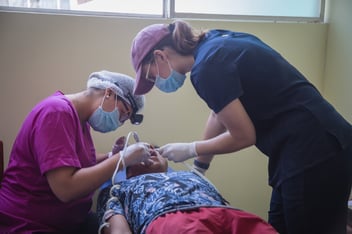
- Mobile clinic days. Students shadow local dental professionals at mobile clinics and rotate between clinic stations.
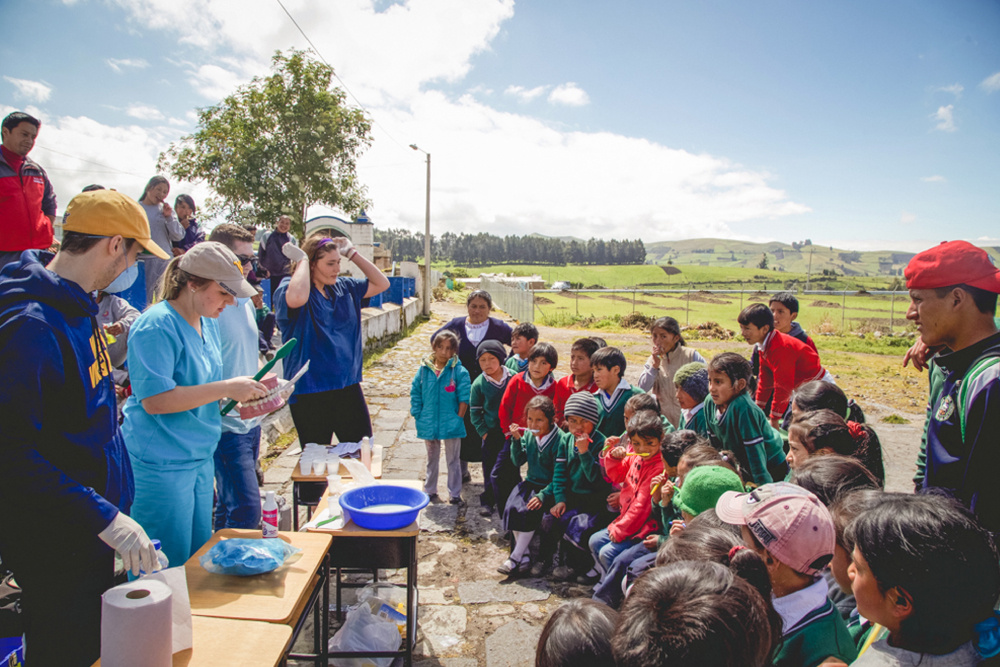
- Oral health education. Students help with oral health education for children in partner communities.
- Reflection. Group conversations help students process what they observed.
Throughout the week, licensed professionals lead all patient care. Students observe, support the team and learn. That is what makes a dental service learning trip different from a clinical internship.
Questions to ask before you choose a program
Ask any program these questions before you commit:
- Who leads patient care, and what will students do each day?
- How long has the program worked with communities in the region?
- What support do trip leaders provide during the week?
- What is included in the cost, and what is not?
How to prepare to volunteer in Ecuador
Passport and entry
Smiles Movement itineraries ask volunteers to have a passport valid for at least six months from the trip start date. If you are not a U.S. or Canadian citizen, you may need a visa. Check the entry rules for your nationality early.
Health and altitude
MEDLIFE itineraries do not require specific vaccinations. They ask travelers to follow CDC guidance and their own doctor's advice. Riobamba is a high-elevation Andean city, so read the CDC's guidance on high-altitude travel and talk with a healthcare provider before your trip.
Safety planning
Check your government's official travel advice for Ecuador before you book and again before you leave. U.S. travelers can read the State Department's Ecuador travel advisory, which lists risk levels by region. Canadian travelers can check travel.gc.ca. Share your itinerary with family and follow your trip leaders' guidance.
Mindset
Go as a learner. Community members and local professionals know their needs best. Your role is to listen, support and reflect.
Start your Ecuador journey
Volunteering in Ecuador can help you understand oral health, culture and access to care in a new setting. If you want to learn alongside local dental professionals and partner communities, Smiles Movement can help. Fill out the form or download our brochure to get more information about upcoming programs and trip dates.
Frequently asked questions about volunteering in Ecuador
Do I need to speak Spanish to volunteer in Ecuador?
It helps, but most programs do not require fluency. Learn basic phrases before you go, and rely on trip leaders and local staff to support communication.
Can pre-dental students treat patients while volunteering in Ecuador?
No. On ethical programs, licensed professionals provide all patient care. Students observe, support the team and help with education activities.
What should I do before I volunteer in Ecuador?
Check your passport validity and entry rules, review official travel advice, talk with a healthcare provider about altitude and vaccines, and practice basic Spanish.