

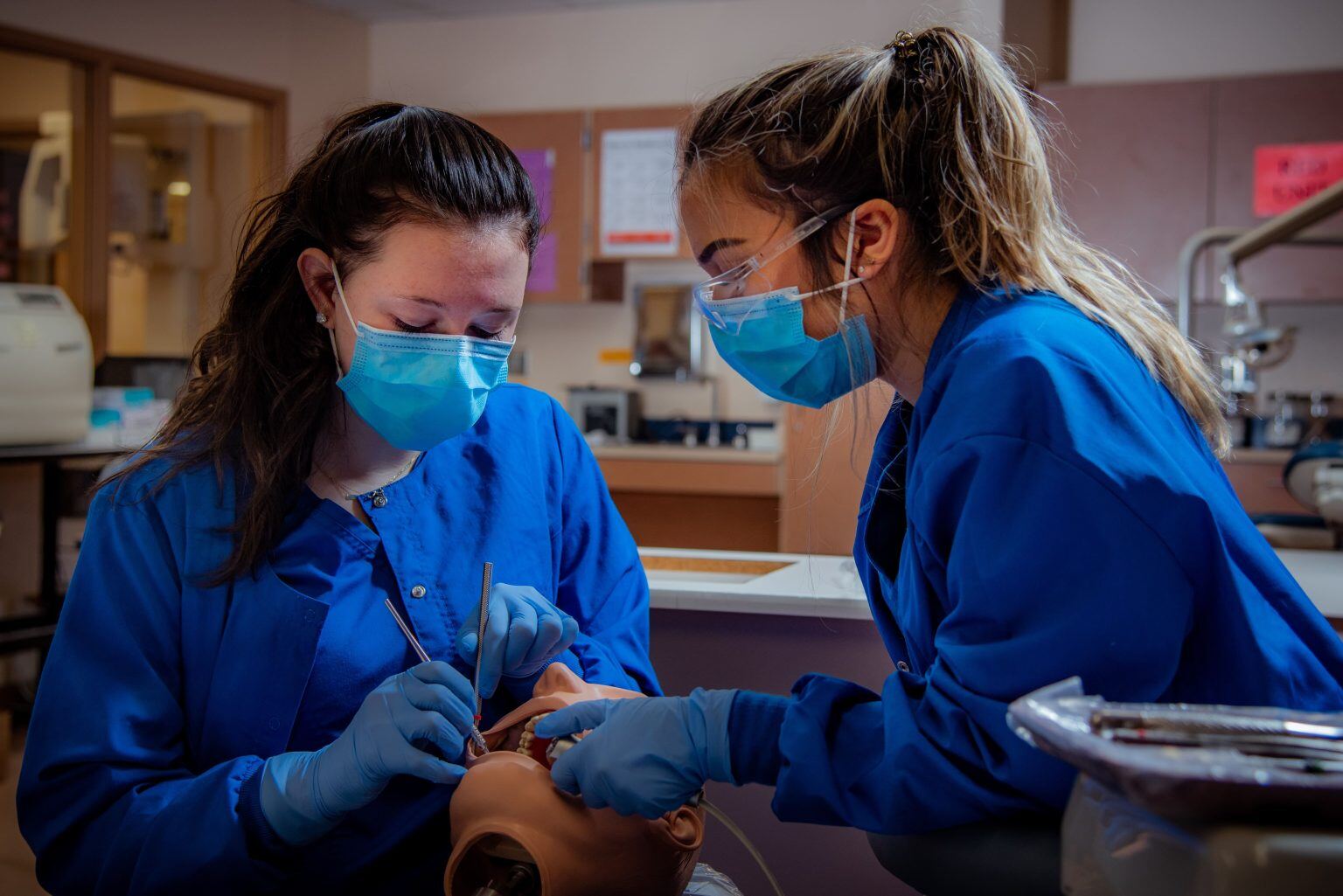
Women in Dentistry: History, Mentors and Paths Forward
If you are a woman thinking about dental school, you may wonder who has walked this path before you. You may also wonder where to find people who understand your questions.
The story of women in dentistry is one of steady change. Early pioneers had to fight for a seat in the classroom. Today, women study and practice in every area of the profession. In this guide, you will learn about a few milestones in that history. You will also see which challenges female dentists still talk about, and how mentors and professional groups can help. Finally, you will get practical steps to build experience and support while you prepare to apply. The aim is to help you plan with confidence and find your community early.
A short history of women in dentistry
Lucy Hobbs Taylor is often named as the first American woman to earn a dental degree. She graduated from the Ohio College of Dental Surgery in 1866. Before that, she was turned away from more than one school because she was a woman.
Over the following decades, more women entered the field. Progress was slow at first. Many faced closed doors in dental schools and in hiring. Over time, schools opened admission more widely, and the number of women in dental classes grew.
Today, women work as general dentists, specialists, researchers, educators and public health leaders. They also lead dental schools and professional associations. The change shows what is possible when barriers come down.
This history also reminds students that access still matters. Women from first-generation, rural and underrepresented backgrounds may face extra hurdles. Finding mentors who share parts of your story can help you see a realistic path forward.
What female dentists say about the profession today
Many women describe dentistry as a career with strong flexibility. Some own practices. Others work as associates, in community clinics or in academic roles. Several common themes come up when female dentists share their experiences.
Flexibility and family planning
Dentistry can allow part-time schedules or adjusted hours. That flexibility often depends on practice type. Owners may set their own hours, while associates follow the practice's schedule.
Practice ownership and leadership
Some women report fewer role models in practice ownership and leadership roles. Mentors who have opened their own offices can share practical advice about finances, staffing and negotiation.
Physical demands
Dentistry is physical work. Equipment and chairs are not always designed for every body size. Good ergonomics and the right instrument sizes matter for long-term health.
Bias and confidence
Some women describe patients or colleagues who assume they are the hygienist or assistant. Many handle this with calm, clear introductions. Support from peers makes these moments easier.
How to find mentors and community
Support makes a real difference during a long training path. Start building it now.
- Join professional groups. The American Association of Women Dentists offers events, mentorship and networking for dental students and dentists.
- Get involved on campus. Pre-dental clubs and women-in-STEM groups can connect you with peers and speakers.
- Ask for informational interviews. Reach out to female dentists in your area. Ask about their path, their schedule and what they wish they had known.
- Shadow in different settings. Seeing several practice models helps you picture your own future.
Use what you learn to shape your application. Our guide to entering dental school walks through the main steps. You can also explore careers in our dental specialties guide.
Build your path with real experience
Mentors help you see the road. Experience helps you walk it. Admissions committees want to see that you understand dentistry and care about patients.
A dental service learning trip is one way to build that understanding. On Smiles Movement trips, students shadow local dental professionals at mobile clinics and help with oral health education for children in partner communities. Along the way, you meet local professionals and see different ways to lead in dentistry. Those connections can shape how you see your own future. For ideas on presenting these experiences, read about building a strong resume. Fill out the form or download our brochure to get more information about upcoming programs and trip dates.
Frequently asked questions about women in dentistry
Who was the first woman to earn a dental degree in the United States?
Lucy Hobbs Taylor is widely recognized as the first American woman to earn a dental degree. She graduated from the Ohio College of Dental Surgery in 1866.
Are there organizations for women in dentistry?
Yes. The American Association of Women Dentists supports dental students and dentists through mentorship, events and leadership programs. Some dental schools also have student chapters.
How can female pre-dental students find mentors?
Join pre-dental and professional groups, attend events and ask local dentists for informational interviews. Shadowing in several settings can also lead to lasting mentor relationships.