

Fluoride Varnish: How It Protects Children's Teeth
A pediatrician paints something on a toddler's teeth during a checkup. It takes a couple of minutes, and the child goes home with slightly shiny teeth. That quick step is fluoride varnish, and it is one of the most common tools in children's oral health.
In this guide, you will learn what fluoride varnish is, how it protects teeth, and who applies it. You will also see why health organizations recommend it and how it fits into community oral health programs. If you are a pre-dental student, this topic shows how prevention reaches children who may not see a dentist often. This article is general information. Families should talk with their child's dentist or pediatrician about whether fluoride varnish is right for their child.
What is fluoride varnish?
Fluoride varnish is a thin, sticky coating of fluoride that a trained professional paints onto teeth. The Illinois Department of Public Health describes it as a 5% sodium fluoride resin that slowly releases fluoride. Fluoride helps strengthen enamel, the hard outer layer of the tooth, and can help repair early weak spots.
The American Academy of Pediatrics (AAP) explains on HealthyChildren.org that fluoride varnish can help prevent tooth decay, slow it down or stop it from getting worse. The AAP describes it as safe and used by dentists and doctors around the world. Only a small amount is applied, and very little is swallowed.
How it is applied
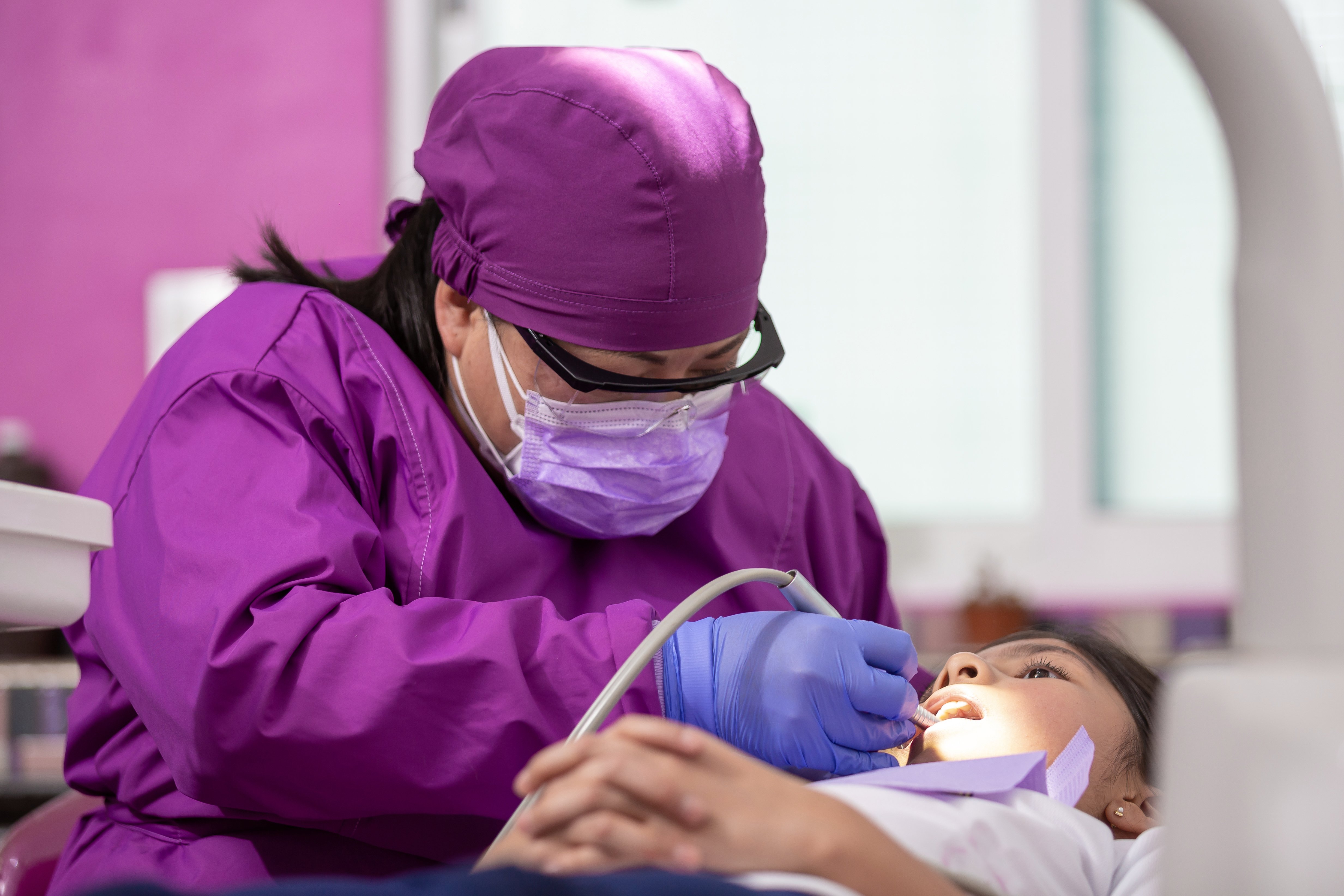
The process is quick. A provider dries the teeth and paints the varnish on with a small brush. It hardens when it touches saliva. It does not hurt, although young children may cry simply because the experience is new. A parent can often hold the child on their lap during the application.
The AAP notes that varnish can be applied two to four times a year, depending on a child's risk of cavities. Families usually receive simple aftercare instructions, such as eating soft foods and waiting several hours before brushing. Always follow the instructions from the child's provider.
Why health organizations recommend fluoride varnish
Fluoride varnish has strong support from national health bodies.
- The CDC states that fluoride varnish can prevent about one-third of cavities in baby teeth. It suggests families ask about varnish when a baby's first tooth appears.
- The U.S. Preventive Services Task Force issued a 2021 recommendation (grade B) that primary care clinicians apply fluoride varnish to the primary teeth of all infants and children.
- The American Academy of Pediatric Dentistry recommends professional fluoride varnish for children at risk of early childhood caries.
Because pediatricians are trained to apply it, families can ask about varnish at a regular well-child visit. Varnish works best alongside daily habits. Brushing with fluoride toothpaste, limiting sugary drinks and regular dental visits all matter. Our article on preventative dental care explains why prevention is so important where access to care is limited.
Fluoride varnish in community oral health
Many young children see a pediatrician long before they see a dentist. That is one reason medical settings play a big role. In Illinois, for example, trained doctors, nurse practitioners, physician assistants, nurses and medical assistants can apply varnish to young children after completing the required training. Rules vary by state.
Community programs also use varnish during school events, health fairs and mobile clinics. In those settings, licensed or specially trained professionals apply it. Education is just as important. Families need clear, simple information about why fluoride helps and how to care for teeth at home. Our article on oral health literacy explains why understandable health information makes such a difference.
What pre-dental students can learn
Watching prevention programs teaches you how dental teams reach children outside a traditional office. On a dental service learning trip, students shadow local dental professionals at mobile clinics and help with oral health education for children in partner communities. Licensed professionals provide all clinical care, including any fluoride treatment. To understand the bigger picture, read why Smiles focuses on kids' oral hygiene habits.
See prevention in action
Fluoride varnish is a small, quick step that supports children's oral health. If you want to learn how dental teams bring prevention to communities, Smiles Movement can help. Fill out the form or download our brochure to get more information about upcoming programs and trip dates.
Frequently asked questions about fluoride varnish
Is fluoride varnish safe for children?
The American Academy of Pediatrics describes fluoride varnish as safe and used worldwide. Only a small amount is applied. Families can ask their child's provider any questions before treatment.
How often is fluoride varnish applied?
The AAP notes it can be applied two to four times a year, depending on a child's risk of cavities. A dentist or pediatrician decides the right schedule.
Who can apply fluoride varnish?
Dentists, dental hygienists and, in many states, trained medical providers such as pediatricians and nurses. Each state sets its own rules.