


If you’re asking, How long does it take to become a dentist?, you’re not alone. Many students start thinking about this career path as early as high school or college, but the process can seem long and overwhelming. The good news? Every step offers opportunities to learn, grow, and build a career that makes a real difference.
In this blog, we’ll break down the timeline from high school to dental school graduation, share how you can start early, and explain how to get dental experience even before you enter college.
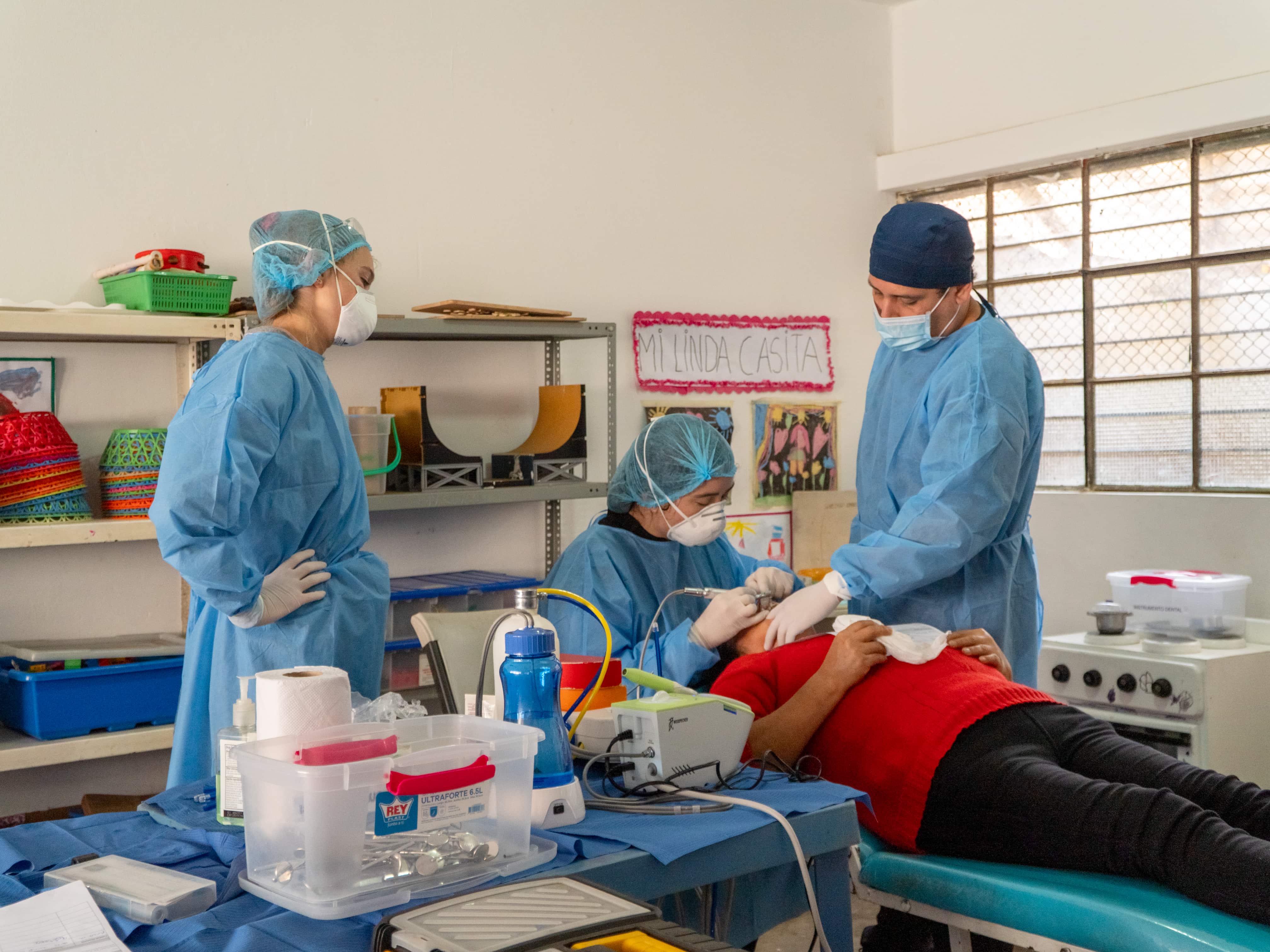
How Long Does It Take to Become a Dentist?
In the United States and most countries, becoming a dentist takes about 8 years after high school:
- Bachelor's Degree (4 years)
Most dental schools require a bachelor's degree, though a few accept students after 2-3 years of undergrad with prerequisite courses. - Dental School (4 years)
Dental school combines classroom education, lab work, and clinical practice. Graduates earn a DDS (Doctor of Dental Surgery) or DMD (Doctor of Dental Medicine). - Optional Residency (1-3 years)
While not required for general practice, a residency is needed for specialties like orthodontics, oral surgery, or pediatric dentistry.
So, if you're wondering how to become a dentist after high school, plan for at least 8 years of education and training—but don’t let that number scare you. With the right preparation and support, the time flies by.
At every step, hands-on experience in real-world dental environments helps solidify your interest and boost your skills.
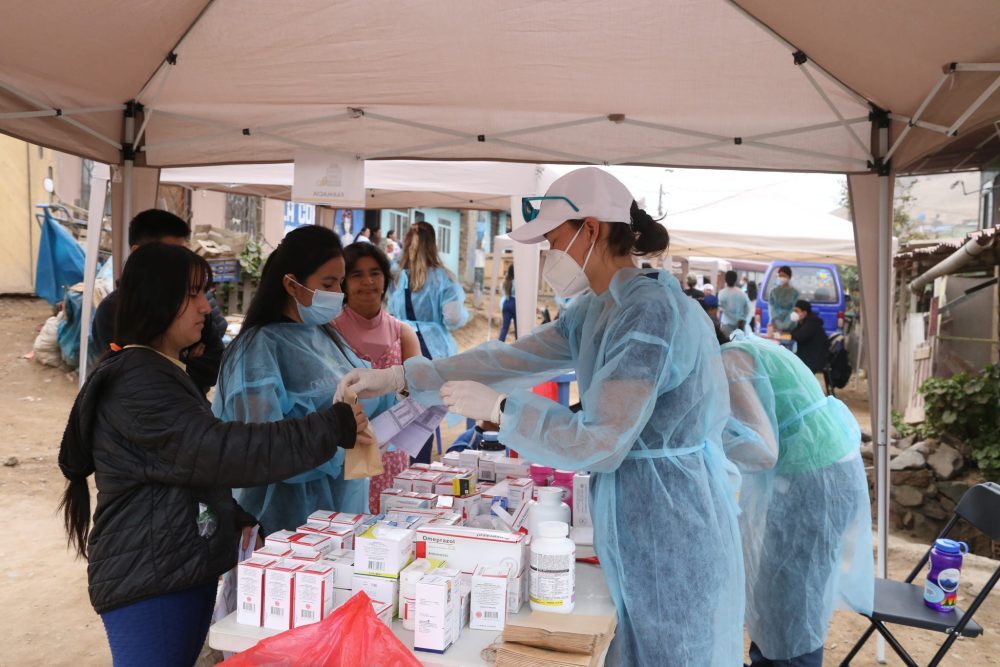
How to Become a Dentist After High School
The journey starts with informed steps:
1. Focus on Science Courses
Biology, chemistry, and anatomy will lay the foundation for college and the Dental Admissions Test (DAT).
2. Join Pre-Dental Clubs or Volunteer Programs
Look for programs like the Smiles Movement, which offer dentist shadowing and ethical volunteering abroad.
3. Start Gaining Dental Experience
The earlier you begin exploring dentistry, the better your dental school application will be.
Building a strong pre-dental resume often starts with immersive volunteering abroad, where you can develop communication skills and public health awareness.
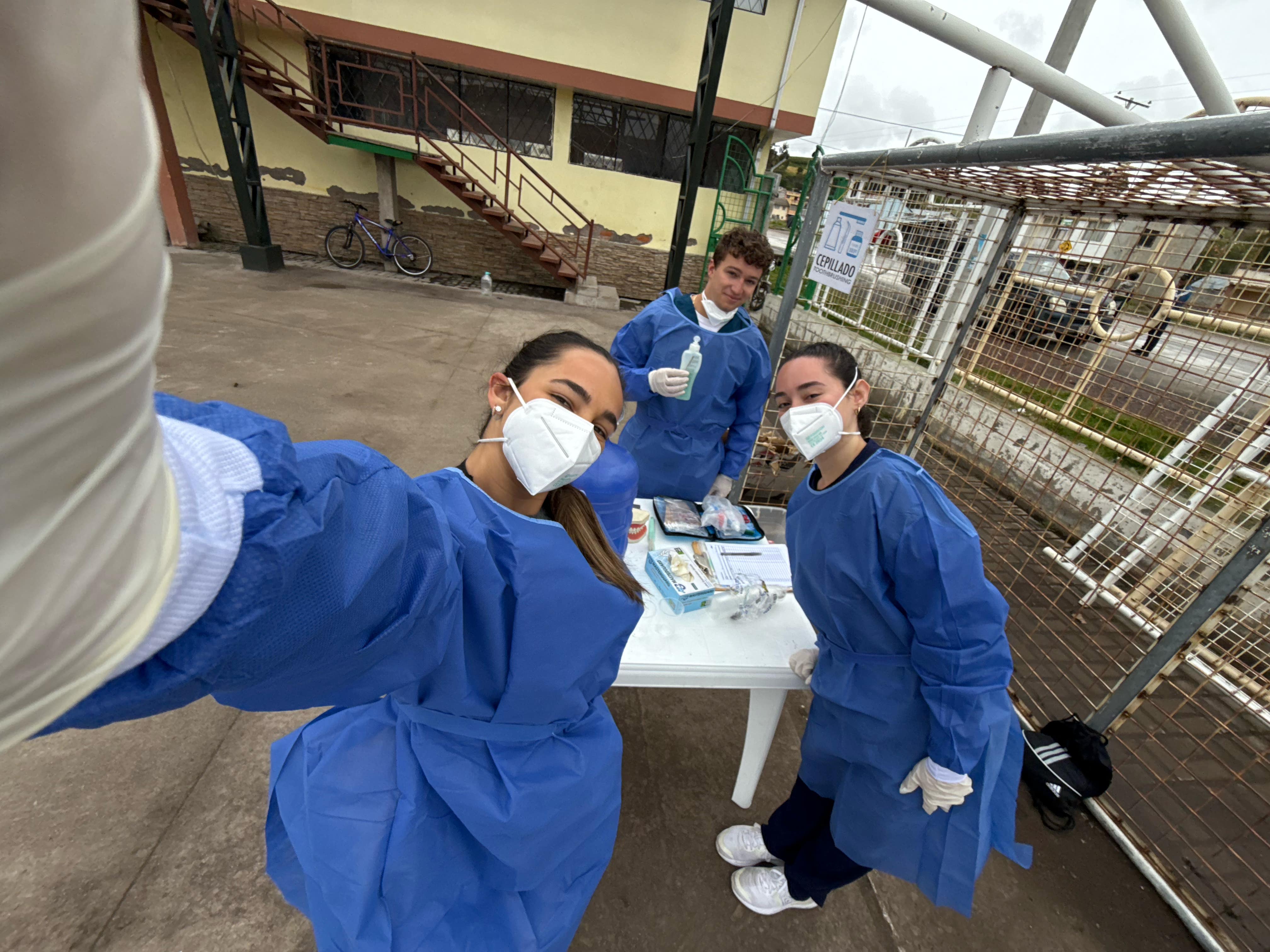
How to Get Dental Experience Before Dental School
You don’t need to be certified to get started. Here are some beginner-friendly ways to gain experience:
- Shadow local dentists: Ask questions and observe a day in the clinic.
- Join a Service Learning Trip (SLT): MEDLIFE's trips let students assist in oral health education, shadow local professionals, and understand healthcare in low-income communities.
- Volunteer at health fairs or clinics: Even non-clinical roles offer insight into patient care.
- Participate in community health projects: Programs like ours include stair-building, hygiene workshops, and development work—all critical to understanding root causes of health disparities.
These early opportunities also help you step outside your comfort zone, a key factor in developing confidence through dental volunteering.
Is It Worth the Time to Become a Dentist?
Dentistry offers stability, autonomy, and the chance to impact lives. But it also requires long-term commitment, financial planning, and emotional resilience. By volunteering early, you can explore if the field is truly right for you.
If you're still wondering how long does it take to become a dentist, consider this: the real question is not just about time, but transformation. Each year brings new skills, deeper understanding, and the ability to serve others more effectively.
Understanding the ethics of dental volunteering ensures your early experiences support, not undermine, local healthcare systems.
Join the Smiles Movement to Promote Oral Health
The path to dentistry starts with one step. If you're curious about how to get dental experience or want to understand how to become a dentist after high school, ethical volunteering is the best place to begin.
Start your journey by downloading our brochure
For less than one coffee a month, you can make an impact in low-income communities
Let your path to dentistry begin with purpose, people, and a passion to learn.
.jpg?width=352&name=DC06-01%20(2).jpg)