

How to Become a Pediatric Dentist
A child's first dental visit can shape how they feel about dental care for years. Pediatric dentists know that well. They combine clinical skill with patience, creativity and a talent for making young patients feel safe.
If you enjoy working with children and want a career in oral health, you may be wondering how to become a pediatric dentist. In this guide, you will learn what the specialty covers, how pediatric dentists train after dental school, and what a typical workday involves. You will also find a few questions to help you decide if this path fits you. Finally, you will see simple ways to spend time around children's oral health care before you apply to dental school.
What pediatric dentists do
Pediatric dentistry is one of the 12 dental specialties recognized by the ADA's National Commission. The American Academy of Pediatric Dentistry describes it as an age-defined specialty that provides preventive and therapeutic oral health care for infants and children through adolescence, including those with special health care needs.
The American Academy of Pediatrics' HealthyChildren.org site lists what this care can include:
- Infant oral health exams and caries risk assessment
- Preventive care such as cleanings, fluoride treatments and nutrition guidance
- Counseling on habits like pacifier use and thumb sucking
- Early assessment of bite problems
- Repair of cavities and tooth defects
- Care for dental injuries, such as knocked-out teeth
Prevention is a big part of the job. Many visits focus on helping families build daily habits. For practical ideas, read our guide on how to get kids brushing.
How to become a pediatric dentist: step by step
- Complete a bachelor's degree with dental school prerequisites.
- Take the Dental Admission Test and apply to dental school.
- Finish dental school and earn a DDS or DMD, usually in four years.
- Complete a pediatric dentistry residency. The AAPD describes it as a two-year residency program that starts after dental school.
According to HealthyChildren.org, that residency covers dentistry for infants, children, teens and children with special needs. Residents build the knowledge and clinical skills to care for young patients at every stage of growth.
What the workday looks like
Pediatric dentists see many patients in a day, often with short appointments. They explain care in simple words, involve parents and adjust to each child's comfort level. Some days include patients who need extra support, such as children with special health care needs or children who feel anxious. Patience and calm communication matter as much as hand skills.
Pediatric dentist salary
The Bureau of Labor Statistics reports a median annual wage of $176,110 for all dentists in May 2025. Specialists often earn more than general dentists, and pay varies by location and practice setting. Look at current BLS data and talk with pediatric dentists in your region for a realistic picture.
Is pediatric dentistry right for you?
Ask yourself these questions:
- Do you enjoy spending time with children? Volunteering with kids is a good test.
- Can you stay calm when someone is upset? Young patients may cry or feel scared.
- Do you like teaching? Much of the job involves explaining habits to children and parents.
- Are you ready for two more years of training? Residency adds time after dental school.
Prevention and education are also central to community oral health. Our article on why we focus on oral hygiene habits for kids explains how early habits support lifelong health.
Explore children's oral health early
Shadow a pediatric dentist and a general dentist who treats families. Volunteer with youth programs or school health events. Notice which moments you enjoy most. Keep short notes after each experience about how children responded and what helped them feel at ease. Those notes will help you decide, and they will give you real examples for your application later.
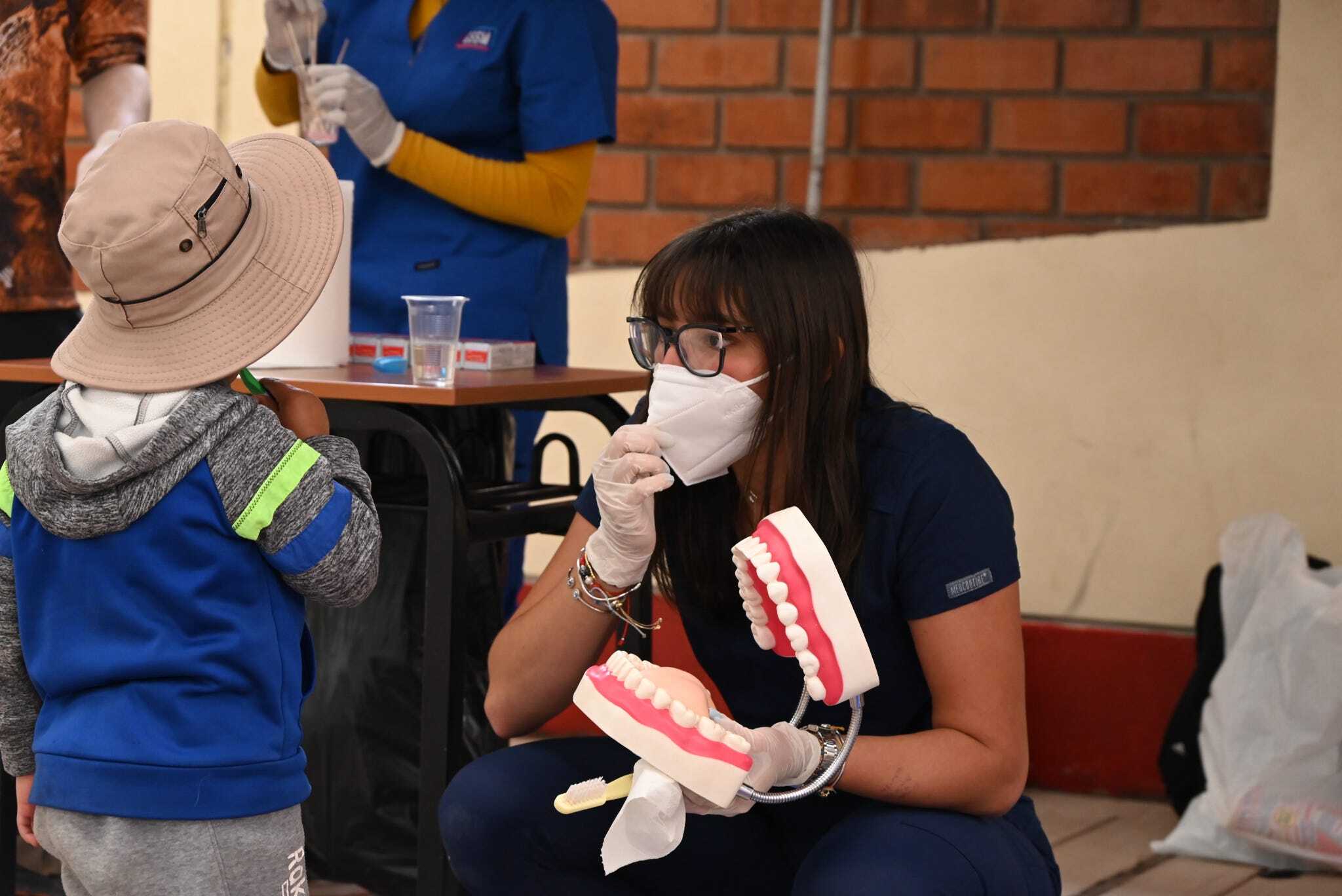
A dental service learning trip is another way to learn. On Smiles Movement trips, students shadow local dental professionals at mobile clinics and help with oral health education for children in partner communities. Those workshops give you real practice explaining healthy habits to kids.
Take the next step
If caring for children's smiles excites you, start building experience now. Smiles Movement can help you learn alongside dental professionals and partner communities. Fill out the form or download our brochure to get more information about upcoming programs and trip dates.
Frequently asked questions about becoming a pediatric dentist
How many years does it take to become a pediatric dentist?
Most pediatric dentists complete a bachelor's degree, about four years of dental school and a two-year pediatric dentistry residency.
What age patients do pediatric dentists treat?
The AAPD defines pediatric dentistry as care for infants and children through adolescence, including those with special health care needs.
What skills do pediatric dentists need?
Patience, clear communication, comfort with children and families, and precise hand skills. Many students build these skills by working with children before dental school.