
Have you ever felt like your answer about volunteering sounded exactly like everyone else's? "I went abroad, I saw poverty and it changed my life". Admissions committees have heard that version hundreds of times, and it rarely tells them anything real about who you are.
If you've participated in a dental service learning trip, your experience has genuine value, but only if you know how to talk about it. In this guide, we'll walk through how to bring up your volunteer work in common dental school interview questions, and the language that signals authentic reflection instead of performance.
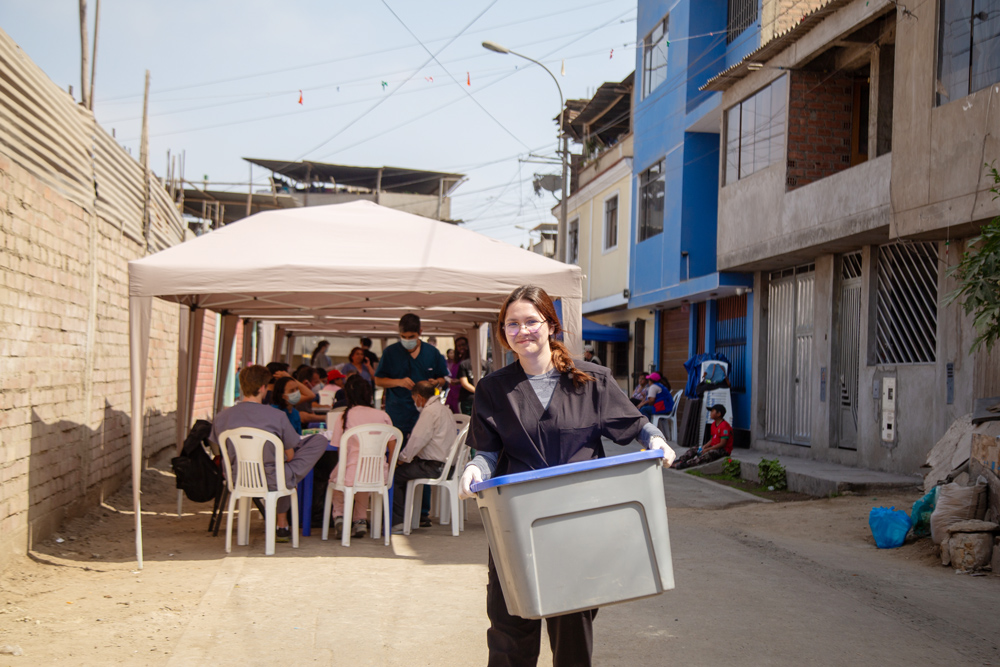
Including Volunteer Experience in "Tell Me About Yourself"
According to Kevin Marshall, Co-Founder & Interview Strategist at International Dentist Central, interviewers are busy people. That means you need to do real preparation, not walk in with a pre-packaged answer, and genuinely capture their interest. This doesn't mean you shouldn't prepare. It means that instead of copying answers you find online, you should first do your own introspection: have an internal dialogue about your past, your present motivations, and your future goals. Revisit the anecdotes, experiences, and people that helped you connect with the reason you're pursuing dentistry.
Once you have that clarity, make your answers genuinely your own. Why does this matter? Because authenticity conveys confidence, and confidence is exactly what interviewers are looking for. In a question like "Tell me about yourself," the interviewer wants to know how you see yourself, whether you speak with clarity and conviction, and whether you come across as someone who's truly prepared to give their best in this career and fits the profile they're looking for. Ramble too much, lose focus, or seem unsure of what you're saying, and you risk landing in the "thanks, but no" pile.
Zi Liang Han, a pediatric dentist and YouTuber, goes further and recommends mentioning experiences and interests you'd genuinely enjoy discussing further, because interviewers will almost certainly ask follow-up questions about them. He also suggests including a detail about yourself that stands out and grabs attention, which lines up with Kevin's advice about capturing the interviewer's interest from the start.
At this point you might be wondering: what does any of this have to do with your service learning experience abroad? As it turns out, quite a lot.
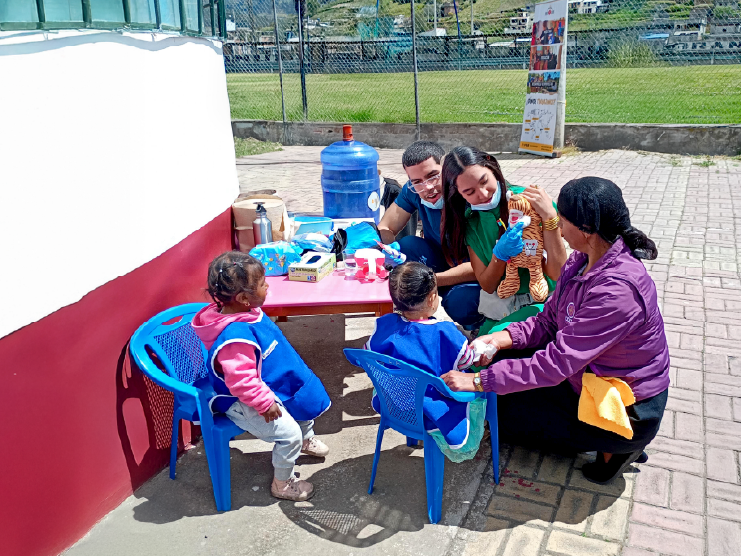
Many applicants love to bring up their volunteer work in this exact question, so here at MEDLIFE, we recommend you avoid doing it superficially. Here's what that looks like in practice:
1. Do the Personal Introspection Work First
Don't just recite what happened on your trip like a timeline of events. Before the interview, sit with your experience and ask yourself harder questions: What surprised you? What made you uncomfortable, and why? Did anything challenge an assumption you walked in with? The goal isn't to arrive at a polished conclusion, it's to actually think it through, so that when you speak, it sounds like something you've genuinely processed rather than a highlight reel you memorized the night before.
2. Show Genuine Ethical Awareness of Global Health Systems
It's not enough to say you volunteered, you need to show that the experience actually taught you something about how healthcare works, or fails to work, in the communities you visited. Draw on the reality-check moments from your MEDLIFE dental service learning trip: the gaps you noticed, the tradeoffs providers had to make, the systemic reasons behind what you saw.
Interviewers aren't looking for you to have all the answers, they're looking for evidence that you left the experience with a more nuanced understanding of global health than you had going in. Knowing when to bring up your volunteer experience is only half the equation. The other half is knowing how to describe it, because the words you choose say just as much about you as the story itself.
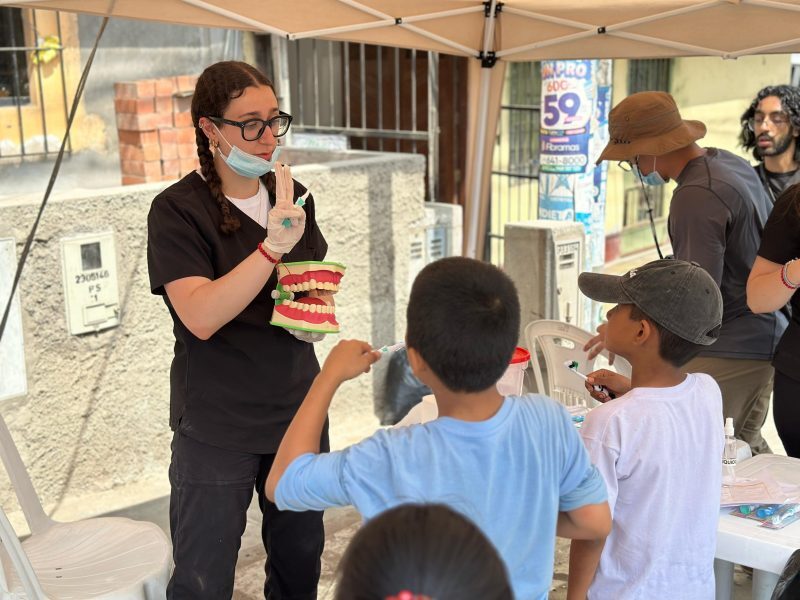
Language and Terminology: How to Talk About the People You Served
The language you use to describe the communities and patients you worked with reveals a lot about how you actually see them, and interviewers are listening closely for it.
1. Use Empathetic and Specific Language
Vague, catch-all labels like "underserved population" can come across as generic and impersonal. Choosing a more specific description, such as "residents of a community with limited access to medical care", shows more thoughtfulness and genuine engagement with the people you worked with.
The same principle applies when describing patients directly. Avoid terms like "poor patients" or "people with no teeth". These labels flatten people down to their circumstances. It's more humanizing to use language like "patients with limited access to dental care" or "individuals without access to oral health services".
Example:
-
Avoid: "I worked with poor patients who had no teeth and couldn't afford treatment"
-
Better: "I worked with patients who had limited access to dental care in their communities and had gone years without a proper checkup"
2. Focus on Strengths and Mutual Learning
When you're competing for a limited number of seats, there's a quiet pull to make the people you worked with sound more helpless than they were, as if their struggle is what proves your impact. Don't give in to it, exaggeration for dramatic effect tends to stand out for the wrong reasons.
Instead, treat every volunteer experience as a two-way exchange, not a one-sided act of charity. Focus less on your role as the helper and more on what the people you worked with brought to the table, their skills, resilience, and the things they taught you. This shows you see people as whole individuals, not a backdrop for your own growth. And it matters, because how you talk about the people you served today previews how you'll talk about your patients tomorrow. No one is defined only by what they lack. Everyone has something worth learning from.
Example:
-
Avoid: "I helped patients who had never seen a dentist and had no way to take care of their dental health"
-
Better: "I assisted the dentist with patients who, despite lacking consistent access to dental care, understood their own health needs deeply and had a clear sense of what mattered most to them in their treatment. I learned as much from them as I hope I was able to help"
Why Choose Smiles Movement?
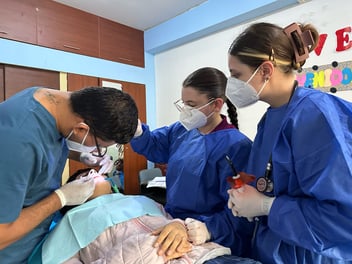
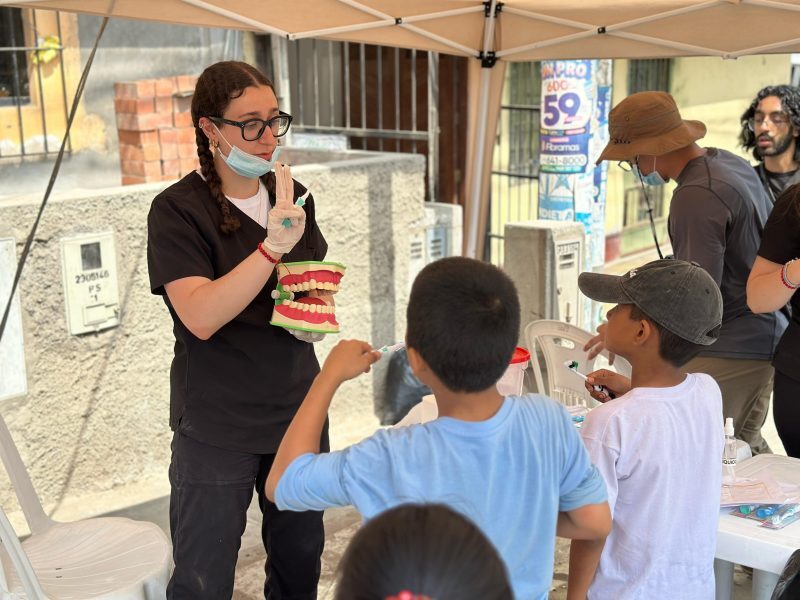
At Smiles Movement, we believe the best ethical service learning trips in Latin America combine meaningful student learning with long-term community impact.
Through our partnership with MEDLIFE, we support mobile dental clinics, permanent care systems, and community-led initiatives that improve oral health access across Latin America.
Students gain valuable experience, communities receive ongoing care, and local leaders remain at the center of every decision. Whether you're preparing for dental school or looking for a meaningful way to serve, our programs are designed to create lasting impact for both students and the communities they support.
Join the Smiles Movement to understand Global Oral Health and Succeed in Interviews
Ready to make a difference? Join the Smiles Movement for valuable dental service learning experiences that enhance your skills and show your dedication to oral health. Explore upcoming trips, connect with like-minded students, and take the next step toward a future in dentistry that prioritizes compassion, collaboration, and long-term impact.
You can also download our brochure to learn more about upcoming opportunities or support long-term impact by becoming a monthly donor.