

How to Prevent Cavities: Simple Habits That Protect Teeth
Cavities are one of the most common health problems in the world. They are also one of the most preventable. If you are thinking about a career in dentistry, prevention is a good place to start learning.
This guide explains how to prevent cavities in plain language. You will learn what causes tooth decay, which daily habits make the biggest difference, and why fluoride matters so much. You will also see how communities protect children's teeth when dental care is hard to reach. Along the way, you will pick up words and ideas you will hear again in pre-dental courses and while shadowing. By the end, you will be able to explain cavity prevention to a friend, a younger sibling or a child at a school health event.
What causes cavities in the first place
A cavity is a small hole in a tooth. It forms when tooth enamel, the hard outer layer, breaks down over time.
The process starts with plaque. Plaque is a sticky film of bacteria that forms on teeth every day. When you eat or drink sugars and starches, these bacteria feed on them. They then release acids.
Those acids pull minerals out of the enamel. Saliva and fluoride can help put minerals back. This back-and-forth happens all day. When acid attacks happen too often, the enamel loses more than it regains. A cavity can follow.
Why frequency matters
How often you eat sugar matters as much as how much you eat. Sipping a sweet drink over a whole afternoon keeps teeth under attack for hours. Having the same drink with a meal limits that exposure.
How to prevent cavities with daily habits
Most cavity prevention happens at home. A few steady habits protect teeth better than any single product.
Brush twice a day with fluoride toothpaste
The American Dental Association recommends brushing for two minutes, twice a day, with a fluoride toothpaste. Use a soft-bristled brush. Angle it toward the gumline and use gentle, short strokes. Brush the outer, inner and chewing surfaces of every tooth.
Clean between your teeth once a day
A toothbrush cannot reach the tight spaces between teeth. Floss, small interdental brushes or water flossers can clean those areas. Food and plaque left there can lead to cavities that are hard to see.
Make smart food and drink choices
Water is the best drink for teeth. Limit sugary drinks like soda, juice and sports drinks. If you snack, choose options like cheese, vegetables or nuts. Try to keep sweets to mealtimes instead of grazing.
Keep regular dental visits
Checkups let a dental team find early signs of decay before a cavity grows. Early damage can sometimes be reversed with fluoride. Read more about why regular dental visits matter.
Fluoride, sealants and community prevention
Daily habits work best with support from the wider health system.
Fluoride
Fluoride is a mineral that makes enamel stronger and more resistant to acid. It comes from toothpaste, fluoridated water and treatments applied at the dentist. The CDC lists fluoride and dental sealants among the most effective ways to prevent tooth decay.
Dental sealants
Sealants are thin coatings painted on the chewing surfaces of back teeth. These surfaces have deep grooves where food gets stuck. Sealants cover the grooves so plaque has fewer places to hide. A dentist or hygienist applies them.
Prevention in underserved communities
Many families cannot easily reach a dentist. Cost, distance and long wait times all play a role. In these settings, prevention and education carry even more weight. School programs, fluoride varnish and simple brushing lessons can protect many children at once. Learn more in our article on preventive care in underserved communities.
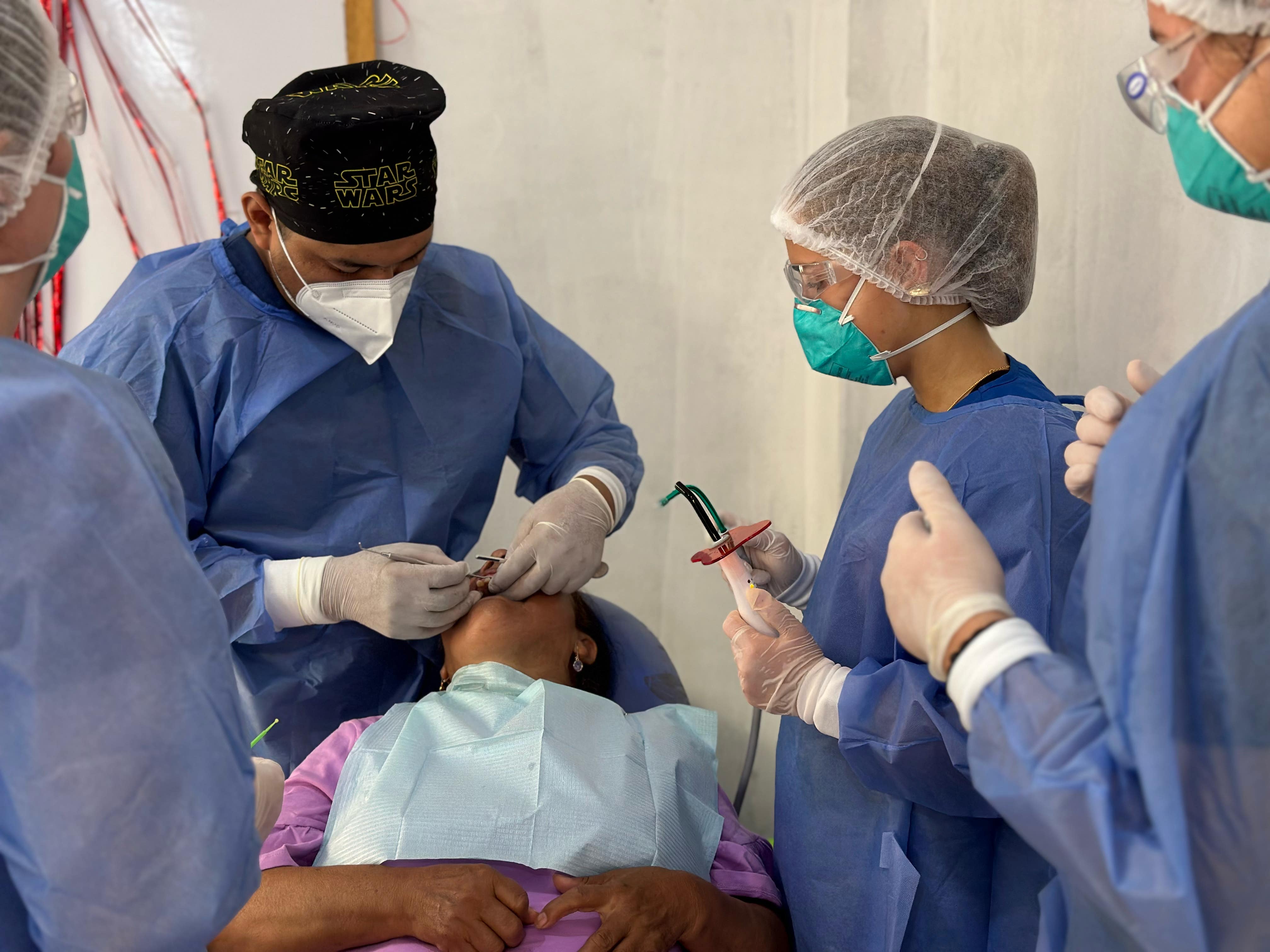
On a dental service learning trip with Smiles Movement, students shadow local dental professionals at mobile clinics. They also help with oral health education for children in partner communities in Peru and Ecuador. Teaching a child how to brush is one of the clearest ways to see prevention in action.
Put prevention into practice
Preventing cavities comes down to a few habits done well and done often. Brush with fluoride toothpaste, clean between your teeth, watch how often you snack and see a dentist regularly. If you want to see how oral health education works in real communities, Smiles Movement can help you get started. Fill out the form or download our brochure to get more information about upcoming programs and trip dates.
Frequently asked questions about how to prevent cavities
What is the best way to prevent cavities?
The most effective approach combines several habits. Brush twice a day with fluoride toothpaste and clean between your teeth daily. Limit how often you have sugary foods and drinks. Visit a dentist for regular checkups.
Can a cavity go away on its own?
A cavity that has formed a hole cannot heal by itself and needs a dentist's care. Very early enamel damage can sometimes be reversed with fluoride and better habits. A dentist can tell you which stage you are in.
Do sealants prevent cavities?
Yes. Sealants cover the deep grooves on the chewing surfaces of back teeth. This makes it harder for plaque and food to collect there. They work best alongside brushing and fluoride.