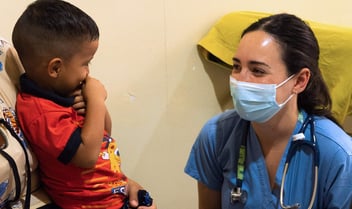

Imagine waking up with a severe toothache in a rural community. You visit the nearest health center, hoping for relief, only to discover that while a dental professional can diagnose the problem, they don't have the specialized materials needed to complete the treatment. Instead, you're referred to a larger hospital hours away. Between transportation costs, missed work, and the uncertainty of securing another appointment, what began as a routine dental issue can quickly become overwhelming.
This scenario illustrates one of the most common bottlenecks in healthcare. While many people assume underserved communities simply lack healthcare providers, the reality is often more complex. In many regions, providers and clinics do exist, but patients become stuck in a delivery gap where limited resources, referral systems, and administrative challenges prevent timely care.
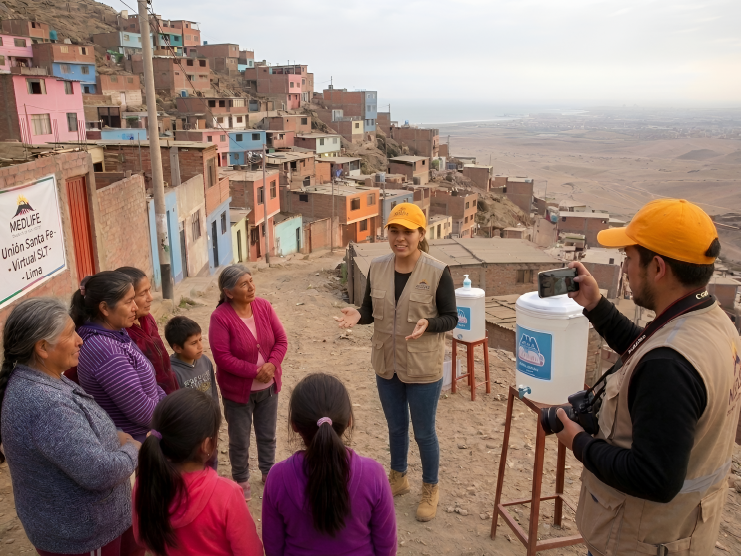
At Smiles Movement, we work alongside MEDLIFE, local healthcare professionals, and community leaders to strengthen existing healthcare systems through prevention, education, and patient navigation. Rather than replacing local services, we help communities address the barriers that prevent people from receiving the care they need.
Understanding Bottlenecks in Healthcare
A healthcare bottleneck is any point where patient care slows because demand exceeds available resources. These delays may result from limited staffing, shortages of dental materials, outdated administrative systems, or referral processes that require patients to travel long distances for relatively routine procedures.
Unlike a complete absence of healthcare services, bottlenecks occur when the system exists but cannot efficiently move patients from diagnosis to treatment.
This challenge is especially common in rural and underserved communities, including many medical deserts where access to healthcare facilities remains limited despite the presence of dedicated healthcare professionals.
When One Referral Creates Barriers to Healthcare Access
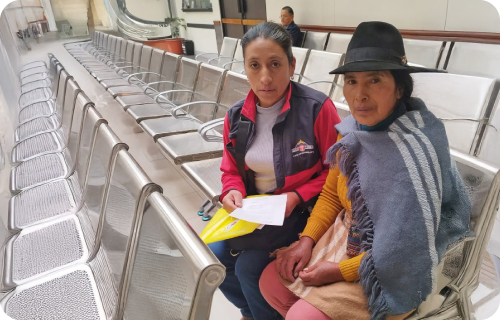
Consider a patient experiencing severe tooth pain caused by an infected tooth. A local dental clinic may be able to examine the patient, provide pain management, and determine that root canal therapy is needed.
However, completing that treatment requires specialized supplies such as gutta-percha and paper points that smaller clinics may not have available. Instead of receiving definitive care, the patient is referred to a second-level hospital.
While this referral may seem straightforward, it often creates significant barriers to healthcare access.
Patients may need to:
- Travel several hours to another city.
- Pay transportation costs they cannot easily afford.
- Miss work or school.
- Navigate unfamiliar scheduling systems.
- Wait weeks or months for another appointment.
Each additional step increases the likelihood that treatment will be delayed or abandoned altogether. What began as a manageable dental condition can develop into infection, tooth loss, or more complex health complications.
The Ripple Effect Throughout the Healthcare System
The consequences extend beyond individual patients.
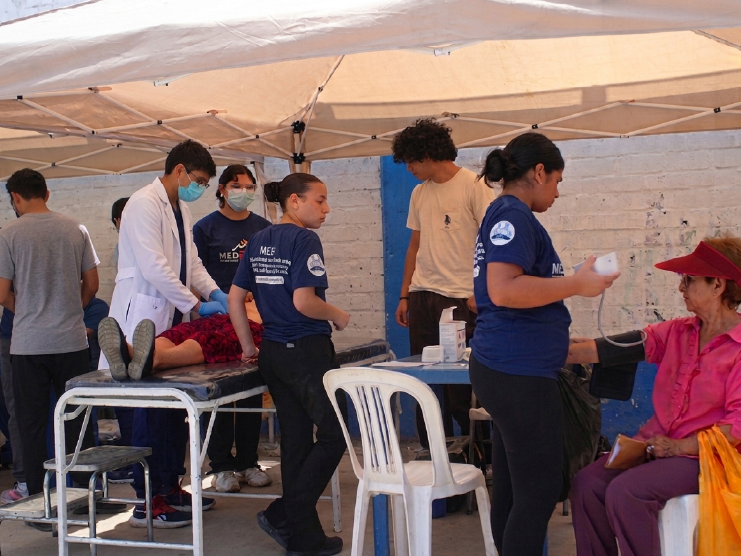
When larger hospitals receive referrals for routine dental procedures that could have been completed locally with adequate resources, specialists spend valuable time treating conditions that might have been resolved earlier.
As routine cases accumulate, wait times increase for patients requiring oral surgery, cancer treatment, or other complex procedures that cannot safely be delayed.
Improving healthcare delivery therefore isn't simply about increasing the number of providers. It's about ensuring every level of the healthcare system can perform the work it is designed to do.
How Mobile Dental Clinics Help Ease Bottlenecks in Healthcare
One effective way to reduce delivery gaps is by bringing preventive care and early screening directly into communities.
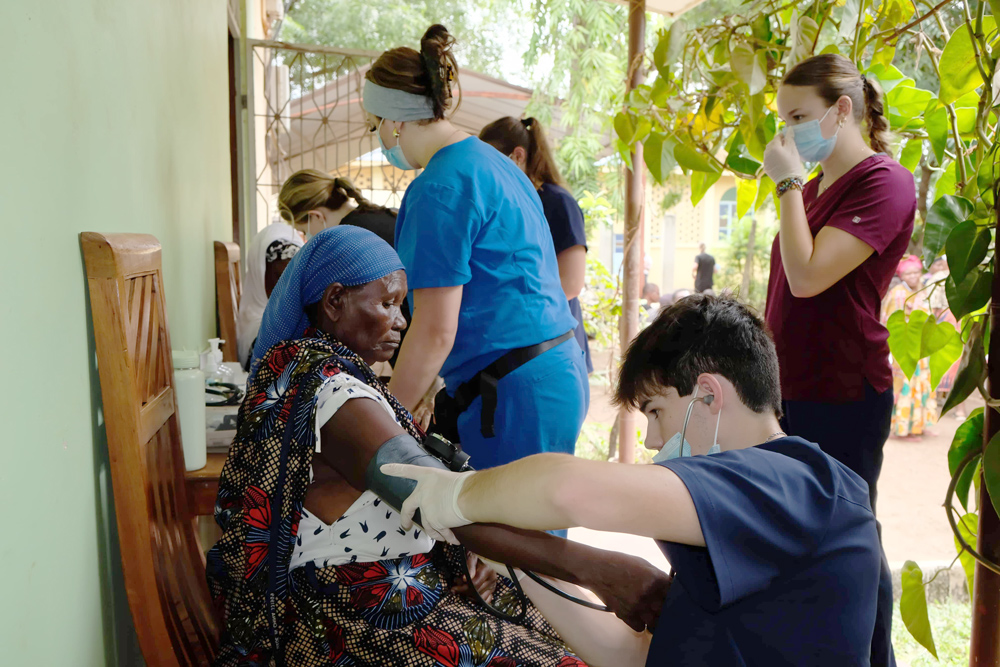
MEDLIFE's mobile clinics, supported by Smiles Movement volunteers and local healthcare professionals, provide screenings, oral health education, and referrals before minor conditions become serious emergencies.
These programs also demonstrate how mobile dental clinics expand access by evaluating patients closer to home and identifying who truly requires specialized treatment.
This approach strengthens existing healthcare systems instead of overwhelming referral hospitals with preventable cases.
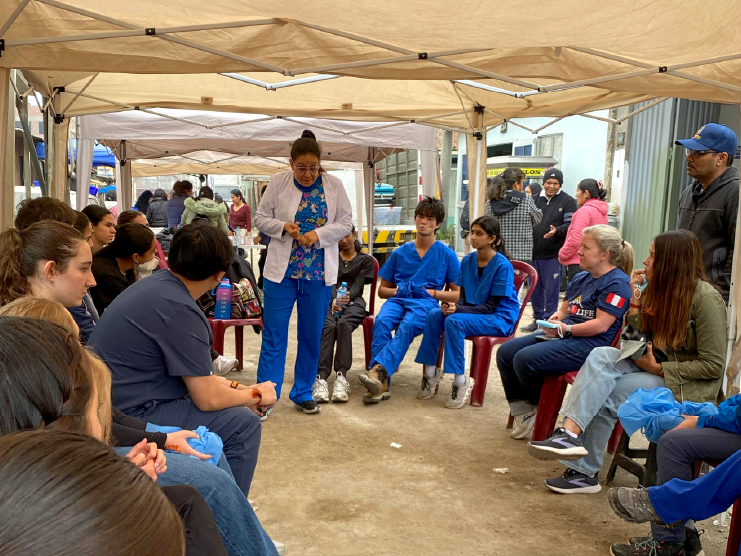
For students participating in Smiles Movement Dental Service Learning Trips, these experiences provide valuable insight into how prevention, education, and community partnerships improve healthcare delivery in meaningful, sustainable ways.
Why Language Barriers in Healthcare Matter
Healthcare becomes even more difficult when patients cannot fully understand their diagnosis or treatment plan.
In many Indigenous communities throughout Latin America, Spanish may not be a patient's first language. Explaining referral instructions, consent forms, or home care recommendations becomes much more challenging without culturally appropriate communication.
Addressing language barriers in healthcare means more than translation. It requires building trust and ensuring patients feel respected throughout their care journey.
Local staff who speak languages such as Kichwa help explain procedures, answer questions, and reduce anxiety for patients who may already feel uncertain about seeking treatment.
These conversations improve patient understanding while strengthening relationships between healthcare providers and the communities they serve. You can learn more about overcoming language barriers while volunteering abroad.
Technology Can Help Reduce the Delivery Gap
Modern healthcare systems also benefit from better coordination.
Shared electronic health records allow patient information to follow individuals across clinics, reducing duplicate paperwork and improving continuity of care.
When providers can easily access previous examinations, referral notes, and treatment histories, they spend less time repeating administrative tasks and more time caring for patients.
Combined with community-based screening programs, these improvements make healthcare systems more efficient without requiring entirely new infrastructure.
Working Alongside Local Healthcare Systems
Smiles Movement believes sustainable change happens through partnership.
Our volunteers do not replace local dentists or healthcare providers. Instead, they learn alongside experienced professionals while supporting oral health education, preventive screenings, and patient outreach under appropriate supervision.
Together with MEDLIFE and Ministries of Health, we help strengthen healthcare systems by identifying patients earlier, improving education, supporting referrals, and helping communities navigate available resources.
These efforts complement broader initiatives focused on the role of dental care in public health while reinforcing long-term community health.
Looking Ahead
Reducing bottlenecks in healthcare is not about replacing hospitals or building entirely new systems. It's about making existing healthcare networks work more effectively for everyone.
When communities receive preventive dental care, oral health education, early screenings, and culturally responsive support, routine conditions are addressed sooner, referral systems become more efficient, and specialized providers can focus on patients with the greatest needs.
Small improvements in patient flow can create meaningful changes throughout an entire healthcare system.
Join the Smiles Movement to Promote Oral Health
If you'd like to learn more about ethical Dental Service Learning Trips, start your journey by downloading our brochure.
You can also become a monthly donor to support sustainable oral health education, community partnerships, and improved access to care in underserved communities.