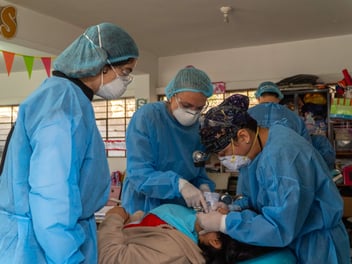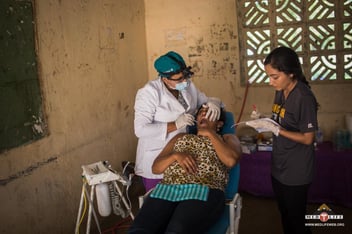

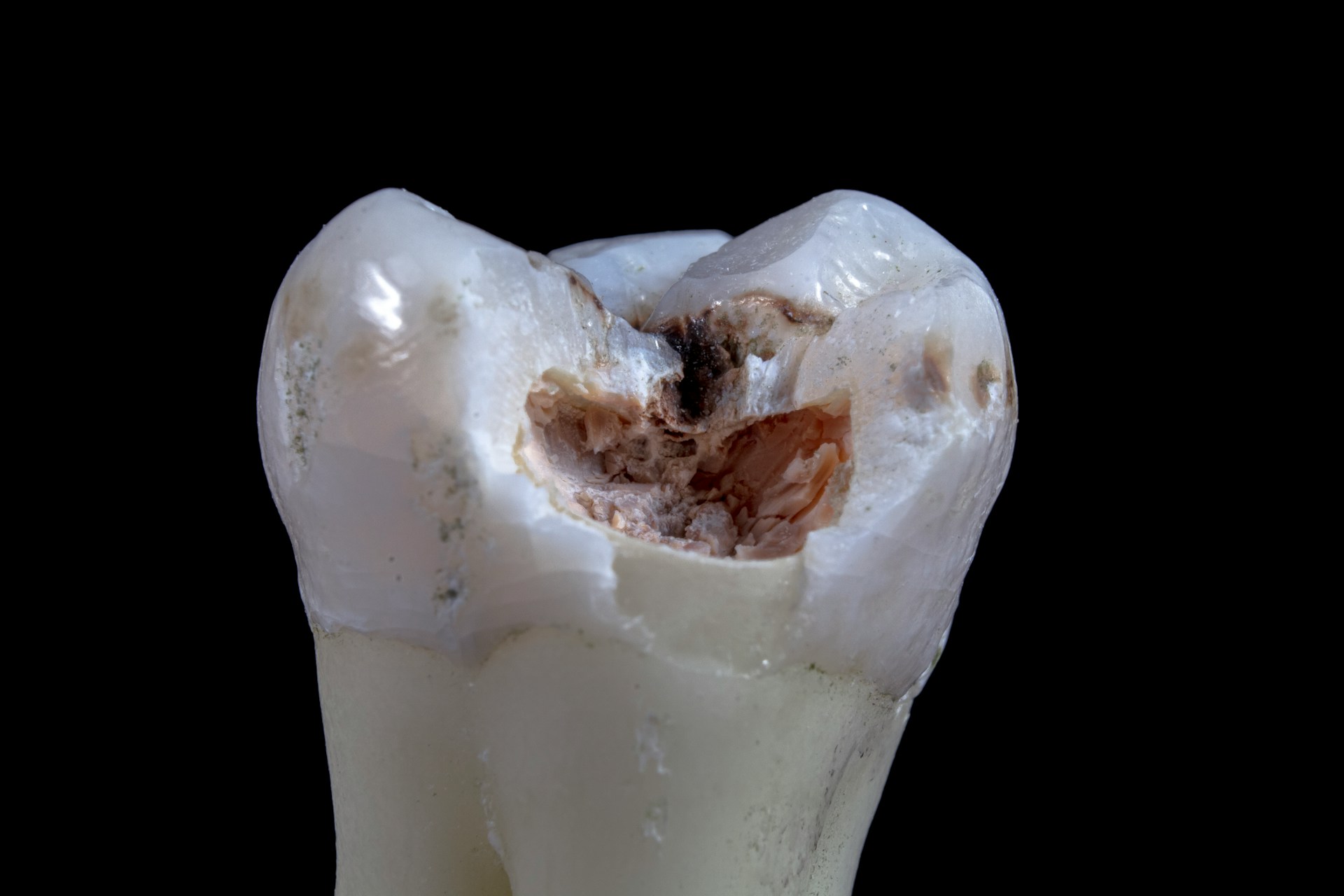
A toothache rarely begins as an emergency.
For many people, it starts as occasional sensitivity while drinking something cold. Then it becomes uncomfortable while chewing. Eventually, the pain grows constant enough to interrupt sleep, concentration, work, or school.
Yet despite worsening symptoms, many people still delay treatment.
Understanding the barriers to dental care that prevent patients from seeking help earlier is essential for improving oral health outcomes in both local and global communities. In many cases, untreated dental pain is not caused by neglect or indifference. It is connected to financial limitations, transportation challenges, fear, misinformation, cultural barriers, and lack of access to consistent healthcare.
These challenges are especially common in medically underserved areas, where preventative care is often limited, and patients may only seek treatment once pain becomes unbearable.
At Smiles Movement, students participating in Service Learning Trips often witness firsthand how oral health disparities affect communities around the world. Through ethical, community-led outreach programs, volunteers learn that oral health is deeply connected to education, infrastructure, transportation, and long-term healthcare access.

Financial Barriers Often Delay Treatment
One of the most significant barriers to accessing dental care is cost.
For many families, routine dental visits can feel financially impossible, especially when households are already balancing food costs, rent, transportation, and other medical expenses. Preventive care is often postponed because patients prioritize immediate necessities over long-term oral health.
Unfortunately, delaying treatment can allow small issues to become severe infections or chronic pain conditions.
Many patients wait until symptoms become unbearable before visiting a dentist. This pattern is common in communities with limited resources, where emergency care often becomes the primary form of treatment instead of prevention.
Students who participate in global health outreach programs frequently gain a deeper understanding of how oral health is a major public health issue connected to broader economic and healthcare inequalities.
In many cases, people do not ignore pain because they want to. They ignore it because treatment feels financially out of reach.

Rural Communities and Medically Underserved Areas Face Additional Challenges
Geography also plays a major role in healthcare accessibility.
People living in rural regions or medically underserved areas may need to travel long distances to reach dental clinics. Transportation limitations, lack of providers, and inconsistent healthcare infrastructure can make preventative care extremely difficult to maintain.
These challenges are common in both domestic and international low-resource communities. Volunteers working abroad often begin to understand how rural communities often face limited dental access, especially when healthcare infrastructure is limited.
In some regions, patients may wait months for appointments or rely entirely on temporary outreach clinics for dental services.
Students participating in ethical service learning programs also gain insight into broader healthcare systems and the barriers within the Peruvian healthcare system or the healthcare access challenges in Ecuador.
These experiences help students understand that oral health disparities are often rooted in larger systemic inequities.

Fear and Misinformation Keep Patients Away
Fear is another major reason people avoid dental care.
Many patients associate dentistry with pain, embarrassment, or negative experiences from the past. Others delay treatment because they fear expensive procedures or worry they will be judged for the condition of their teeth.
Misinformation also contributes to delayed care.
Some individuals believe dental pain will disappear on its own. Others assume treatment is unnecessary unless symptoms become severe. Unfortunately, these misconceptions often allow infections and decay to worsen over time.
This is one reason why preventive dental care can reduce serious complications before emergencies develop.
Education also plays an important role in reducing fear and improving long-term health outcomes. Programs focused on the importance of dental education in underserved communities help patients better understand preventative care and recognize symptoms earlier.
Students involved in outreach programs also learn how misconceptions about dental care often delay treatment and create avoidable oral health complications.
Language and Cultural Barriers Affect Healthcare Access
Communication challenges can also become serious barriers to accessing dental care.
Patients who do not speak the same language as healthcare providers may struggle to explain symptoms, ask questions, or understand treatment recommendations. In some communities, language barriers create confusion, anxiety, and mistrust around healthcare environments.
Healthcare access is also shaped by culture, traditions, and past experiences with medical systems.
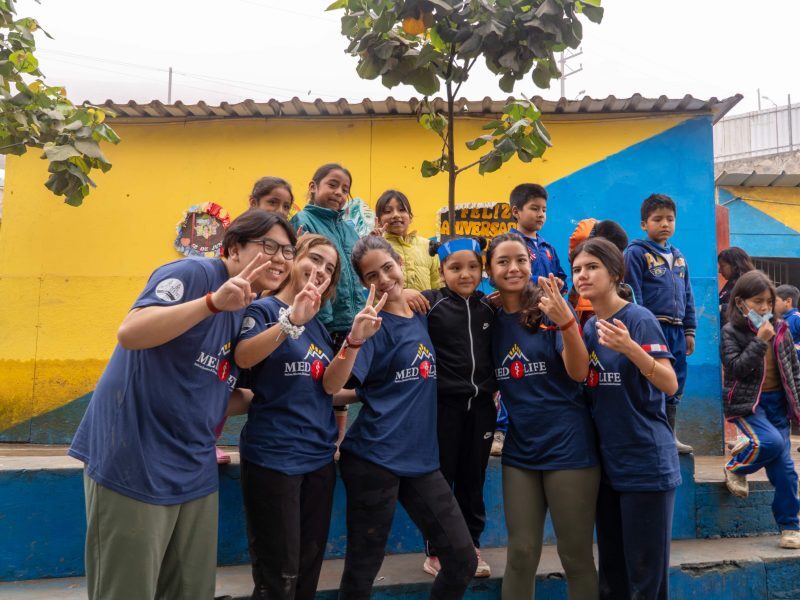
Students participating in ethical volunteer programs often witness how language barriers can delay dental treatment and reduce patient confidence during healthcare visits.
They also begin understanding how cultural barriers affect oral healthcare access, particularly in communities where healthcare systems may already feel unfamiliar or inaccessible.
These experiences help students recognize that improving oral health access requires empathy, communication, and long-term community trust.
Untreated Dental Pain Impacts More Than Oral Health
When dental pain goes untreated, the effects extend far beyond the mouth.
Chronic oral pain can interfere with eating, sleeping, concentration, and mental well-being. Children experiencing untreated dental issues may struggle academically or miss school regularly.
Research and outreach programs continue showing how lack of dental care affects children’s development, especially in underserved communities where preventative care is inconsistent.
Adults may also experience employment challenges, social anxiety, or worsening medical complications connected to untreated oral infections.
Many patients only seek treatment once symptoms become severe enough to disrupt daily life. Articles discussing severe symptoms from untreated dental infections help explain why delaying care can quickly become dangerous.
This is why oral health cannot be separated from broader conversations about public health and healthcare equity.
Sustainable Solutions Require Long-Term Community Partnerships
Addressing the barriers to dental care requires more than short-term treatment.
Long-term improvement depends on preventative education, ethical healthcare outreach, local leadership, and stronger healthcare infrastructure.
At Smiles Movement, students learn why sustainable programs matter by participating in ethical service learning experiences alongside local professionals and community leaders. Volunteers support educational outreach, prevention efforts, and community-based initiatives designed to strengthen healthcare access over time.
Programs focused on long-term solutions in underserved communities emphasize prevention, education, and continuity of care rather than temporary interventions.
Students also gain a deeper understanding of why ethical dental programs prioritize long-term care and why ethical volunteering supports lasting healthcare access.
Rather than positioning volunteers as “saving” communities, these programs focus on partnership, learning, and supporting locally led healthcare systems.
Understanding the Human Side of Healthcare Access
For many students, witnessing oral health inequities firsthand becomes one of the most impactful parts of participating in a Service Learning Trip.
Volunteers begin understanding the realities of limited healthcare access, transportation barriers, financial limitations, and educational gaps that affect communities around the world.
Experiences like these help students move beyond textbook learning and begin understanding the realities of limited healthcare access through direct observation and ethical service learning.
Students also discover how oral health is deeply connected to global health, education, and long-term community development.
Improving oral health access requires more than emergency treatment. It requires prevention, trust, education, infrastructure, and sustainable healthcare systems.
When dental pain is ignored until it becomes severe, the issue is rarely just about the tooth itself.
It is often a reflection of the many systemic barriers standing between patients and consistent healthcare access.
Join the Smiles Movement to Promote Oral Health
If you are interested in learning more about ethical volunteer opportunities abroad, you can start your journey by downloading our brochure.
You can also directly assist communities in need by becoming a monthly donor and supporting sustainable oral health outreach initiatives.