

Dental Ethics: Core Principles Every Student Should Know
Every dental visit involves trust. Patients open their mouths, share their health history and accept treatment from someone they may barely know. That trust depends on ethics.
Dental ethics is the set of principles that guide how dentists treat patients, colleagues and communities. Pre-dental students meet these ideas sooner than they expect. You will see them while shadowing, in application essays and in interview questions. In this guide, you will learn the five core principles in the American Dental Association's code. You will also see everyday examples of ethics in a dental office. Finally, you will learn how these principles apply when students take part in service programs abroad. By the end, you will be able to talk about ethics with clear, real examples.
The five principles of dental ethics
The ADA Principles of Ethics and Code of Professional Conduct is built on five principles. Each one describes a duty dentists owe to patients and the public.
1. Patient autonomy
Patients have the right to make decisions about their own care. Dentists explain options, risks and costs in plain language. Then the patient chooses. This is the basis of informed consent.
2. Nonmaleficence
This principle means "do no harm." Dentists keep their skills current and know their limits. They refer patients when a case is beyond their training.
3. Beneficence
Dentists act for the patient's benefit. That includes giving quality care on time. It also includes supporting the health of the wider community.
4. Justice
Dentists treat people fairly. They do not refuse care based on characteristics such as race, religion or gender identity. Justice also connects to access, since many people still struggle to get basic care.
5. Veracity
Veracity means truthfulness. Dentists communicate honestly with patients and colleagues. They do not overstate what a treatment can do or recommend care that is not needed.
Dental ethics in everyday practice
Ethics shows up in small moments as much as big decisions. Here are situations you might notice while shadowing:
- Explaining treatment options. A dentist presents a filling, a crown and a "wait and watch" option, then lets the patient decide.
- Protecting privacy. Staff speak quietly about health details and keep records secure.
- Admitting limits. A general dentist refers a complex root canal to an endodontist.
- Talking about cost. The team helps a patient plan care that fits their budget, starting with the most urgent need.
Ask the dentist you shadow about a hard decision they faced. Most will gladly share how they reasoned through it. These stories can also help you prepare for ethical interview questions, which many dental schools include.
Ethics for students, too
As a student observer, you follow ethical rules as well. You keep patient information private. You ask permission before entering a room. You stay within your role, which means you watch and learn without touching patients or instruments. If you are unsure what is allowed, ask the dentist first.
Ethics in global service and volunteering
Ethics becomes even more important when students travel to serve. Good intentions alone do not protect patients. Programs should follow local laws, work with local professionals and respect community priorities.
Key questions to ask about any program:
- Do local, licensed professionals lead all patient care?
- Do students stay within an observation and education role?
- Does the program have long-term partnerships with communities?
- Is patient dignity protected, including in photos?
These questions help you avoid voluntourism, where trips serve visitors more than communities. Educators can find more in our article on the ethics of dental volunteering.
See ethical care in action
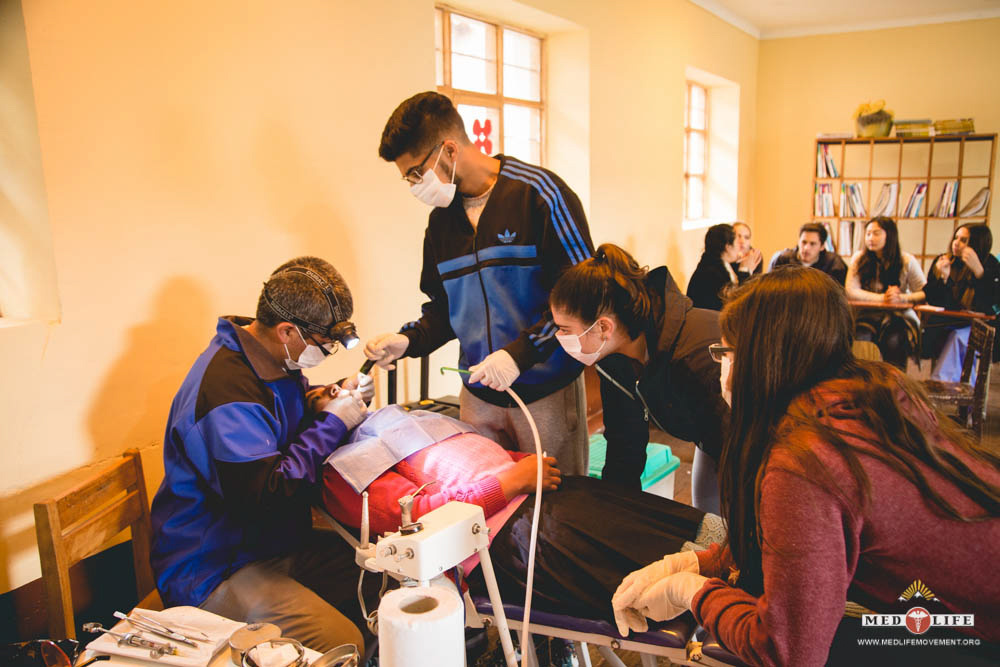
Learning ethics from a textbook is a start. Seeing it practiced makes it real. On a dental service learning trip with Smiles Movement, students shadow local dental professionals at mobile clinics and help with oral health education for children in partner communities. You will see how dentists explain care, respect patients' choices and work within a community's needs. Those observations can give you strong, honest examples for your essays and interviews. Fill out the form or download our brochure to get more information about upcoming programs and trip dates.
Frequently asked questions about dental ethics
What are the five principles of dental ethics?
The ADA code lists patient autonomy, nonmaleficence, beneficence, justice and veracity. Together, they guide how dentists treat patients and the public.
Why does dental ethics matter for pre-dental students?
Ethics guides how you behave while shadowing and volunteering. Dental schools also ask about ethics in essays and interviews. Real examples show that you understand the responsibilities of the profession.
Can students perform dental procedures on volunteer trips?
Pre-dental students should not perform clinical procedures. In ethical programs, licensed local professionals provide care. Students observe, assist with education and learn from the team.