

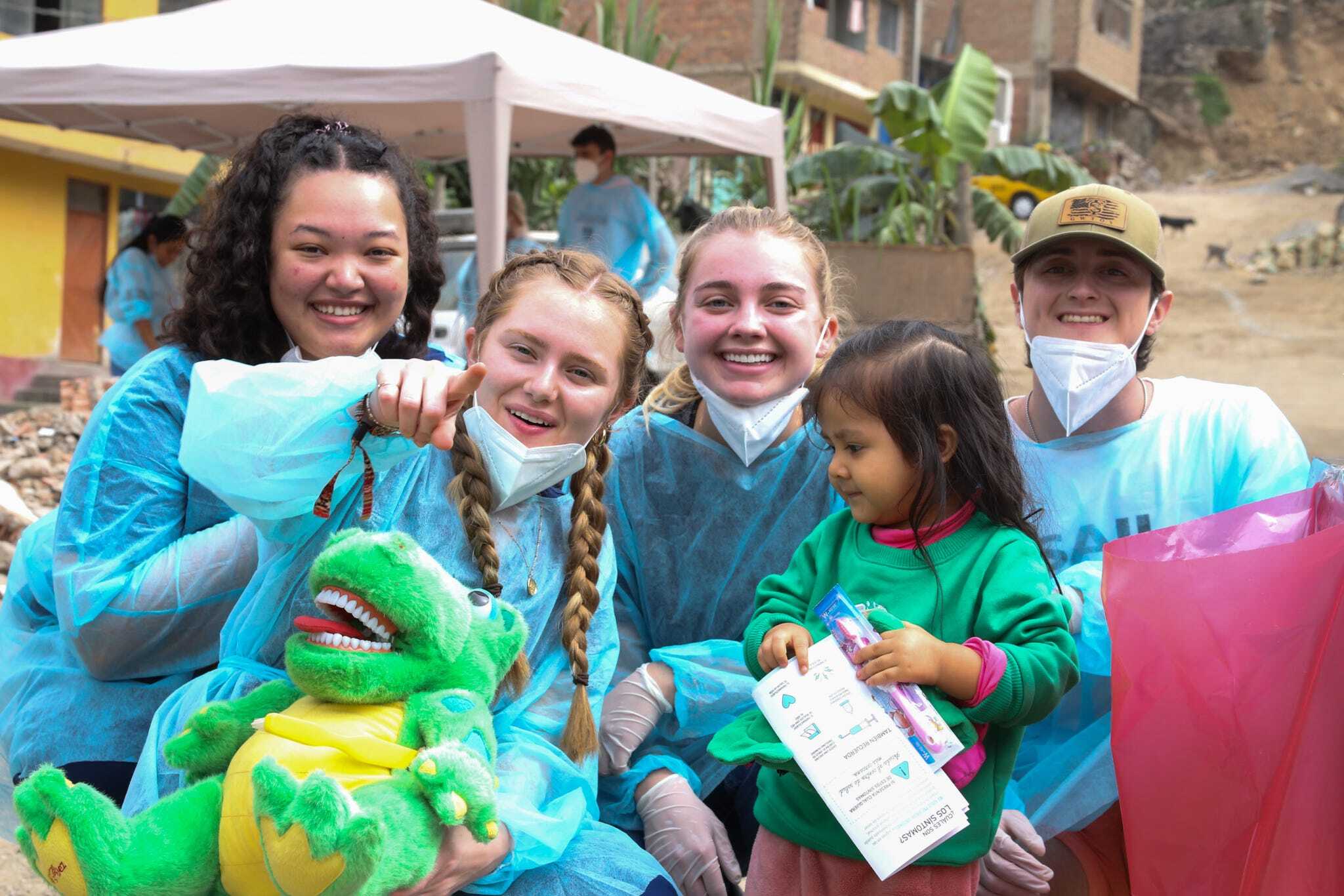
In our previous article, we talked about how to bring up your volunteer work naturally in common dental school interview questions like "Tell me about yourself," starting with genuine introspection rather than a rehearsed timeline of events. We also gave advice on the specific language you use to describe the people you served, avoiding vague or reductive labels and instead focusing on their strengths, since the words you choose reveal just as much about your character as the story itself.
But dental school interviews don't stop at getting to know you. Sooner or later, you'll be asked to reason through a genuine ethical dilemma on the spot, and this is where your volunteer experience can become one of your biggest advantages. A dental service learning trip often puts you face to face with the kind of real-world complexity these questions are built around:
-
Limited resources
-
Cultural differences
-
Healthcare systems that don't always work the way they should
In this article, we'll show you how to draw on those exact moments to answer some of the toughest ethics questions dental school interviewers ask, keeping in mind that there's rarely a single "correct" answer. It all comes down to your own experience and how deeply you understand the issue at hand.
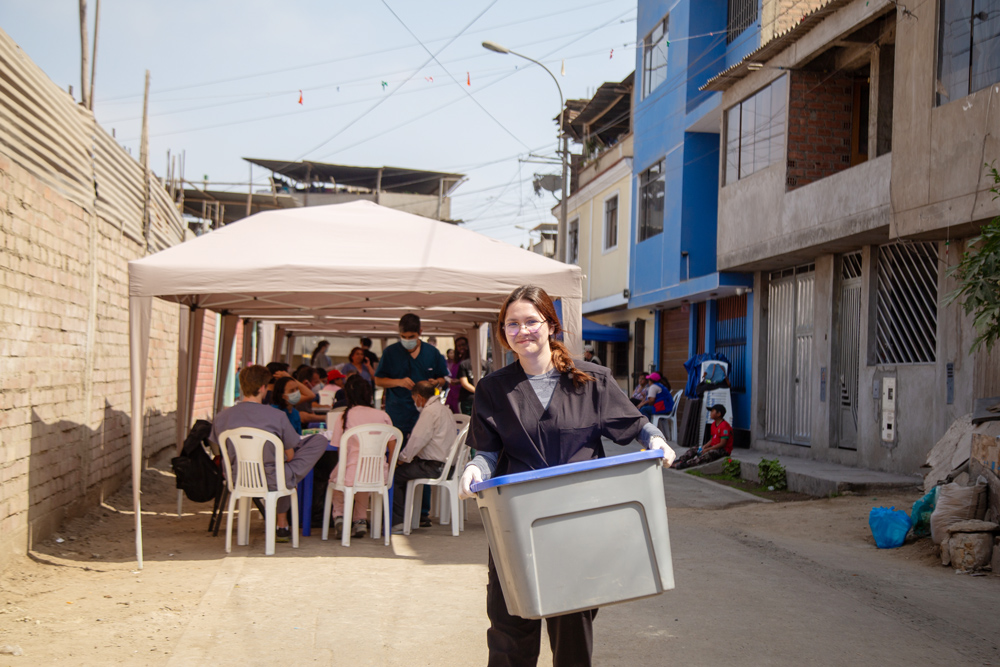
6 Tips about How to Answer Ethical Dental Questions
Alice from Dentist Mind offers six pieces of advice for handling these questions well:
-
There is no correct answer: Interviewers aren't looking for you to land on the "right" side, they want to see how you think.
-
Start by restating the scenario back to the interviewer: This buys you thinking time and shows you understood the question correctly.
-
Give a balanced answer: Show that you understand the issue from multiple angles, not just the medical one.
-
Don't share your personal opinion: Focus on reasoning through the dilemma rather than stating what you'd personally choose.
-
Use the four pillars of medical ethics (autonomy, beneficence, non-maleficence, and justice) to structure your thinking.
-
Finish with an overall conclusion that ties your reasoning together.
With that framework in mind, let's look at another area where these same skills come into play: oral health disparities, a topic that shows up constantly in U.S. dental school interviews.
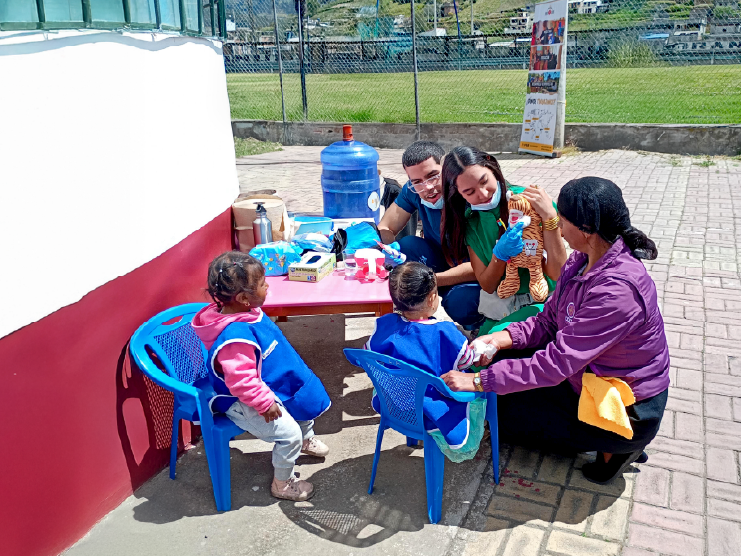
Understanding Oral Health Disparities Questions in Dental School Interviews
Ethical dilemmas aren't the only place where access and equity come up. Many U.S. dental schools build entire interview questions around oral health disparities specifically, and it's worth understanding why.
Schools like UCLA, for example, ask candidates directly about oral health inequities in the communities they serve, the large uninsured populations in their region, and the role of community health centers in reaching patients who can't access private dental care. Other programs frame the same question around Medicaid reimbursement, rural access, or the gap between insured and uninsured patients nationwide.
The reasoning behind these questions is straightforward: dental schools want future dentists who already understand that clinical skill means very little if patients can't get in the door in the first place.
They're looking for candidates who can speak to cost barriers, provider shortages, and the everyday obstacles, like transportation, insurance, or trust, that keep people from getting care.
This is exactly where your volunteer experience does double duty. The same reality-check moments that help you answer ethical dilemmas also give you real material for these access and equity questions:
-
A patient who hadn't seen a dentist in years
-
A clinic that had to prioritize who it could treat that day
-
A conversation about why someone put off care as long as they did
The strongest answers draw from the same place: what you actually saw and learned in the field.
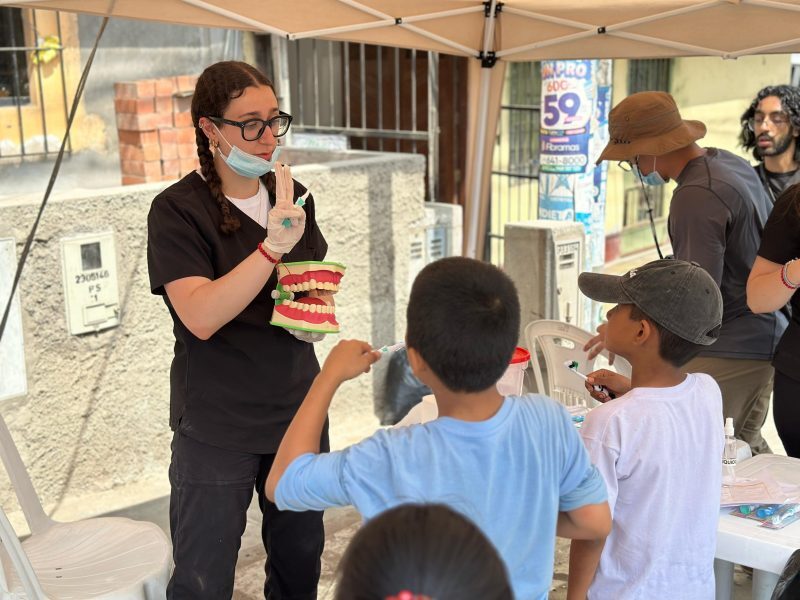
With both ethical reasoning and access disparities in mind, here's how you can put that experience to work on some real questions applicants have faced.
Examples of Ethics & Oral Health Disparity Questions
Some of the toughest ethics and social-context questions we've come across are ones real applicants have reported from their own interviews, shared in pre-dental Reddit communities online:
- Do you believe in socialized healthcare, and who's going to pay for it?
- What would you do if you had an unvaccinated patient (unvaccinated against measles, mumps, Tdap, etc.)?
- How do you propose we solve the problem of rising healthcare costs?
1. "Do you believe in socialized healthcare, and who's going to pay for it?"
This connects strongly. You can talk about how, in the communities you worked with, you saw firsthand the barriers to accessing dental care and the gaps in medical infrastructure, and how mobile clinics like MEDLIFE work alongside these communities to help expand access. Reflect on the real challenges of funding and sustainability you observed, rather than giving a purely theoretical answer.
2. "How do you propose we solve the problem of rising healthcare costs?"
Also highly relevant. You can point out that in the communities you visited, cost wasn't just financial, it was also about distance, time, and transportation: patients walking hours to reach a temporary clinic, and the broader problem of centralized care. This lets you talk about more integral solutions (not just "lower prices"), tying directly into MEDLIFE's approach of addressing structural causes rather than just symptoms.
3. "What would you do if you had an unvaccinated patient?"
This one connects more indirectly, but it's still usable if you encountered patients who distrusted Western medicine, lacked access to vaccines, or held different cultural beliefs about health. It gives you the chance to talk about how you learned to respect patient autonomy and communicate without judgment, something MEDLIFE strongly emphasizes: understanding context before imposing solutions.
Keep in mind that the goal isn't to land on the "correct" political opinion. Remember tip #4: your volunteer experience should inform how you reason through the dilemma, not hand you a conclusion to recite. The strongest answers come from specific moments you actually lived through in the field.
At the end of the day, these questions aren't really testing your résumé, they're testing your character. The strongest answers treat the people you served as equals, not case studies; acknowledge complexity instead of oversimplifying it; and connect what you learned abroad to the kind of dentist you want to become. Get that right, and your reflection will make it clear on its own.
Join the Smiles Movement to Understand Global Oral Health
Ready to make a difference? Join the Smiles Movement for valuable dental service learning experiences that enhance your skills and show your dedication to oral health. Fill out our form below to learn how you can get involved and take your first step toward a fulfilling career in dentistry.
You can also download our brochure to learn more about upcoming opportunities or support long-term impact by becoming a monthly donor.
.jpg?width=352&name=Guatemala_MC2-22%20(1).jpg)