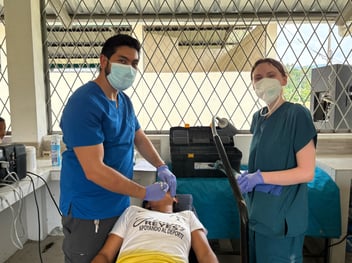

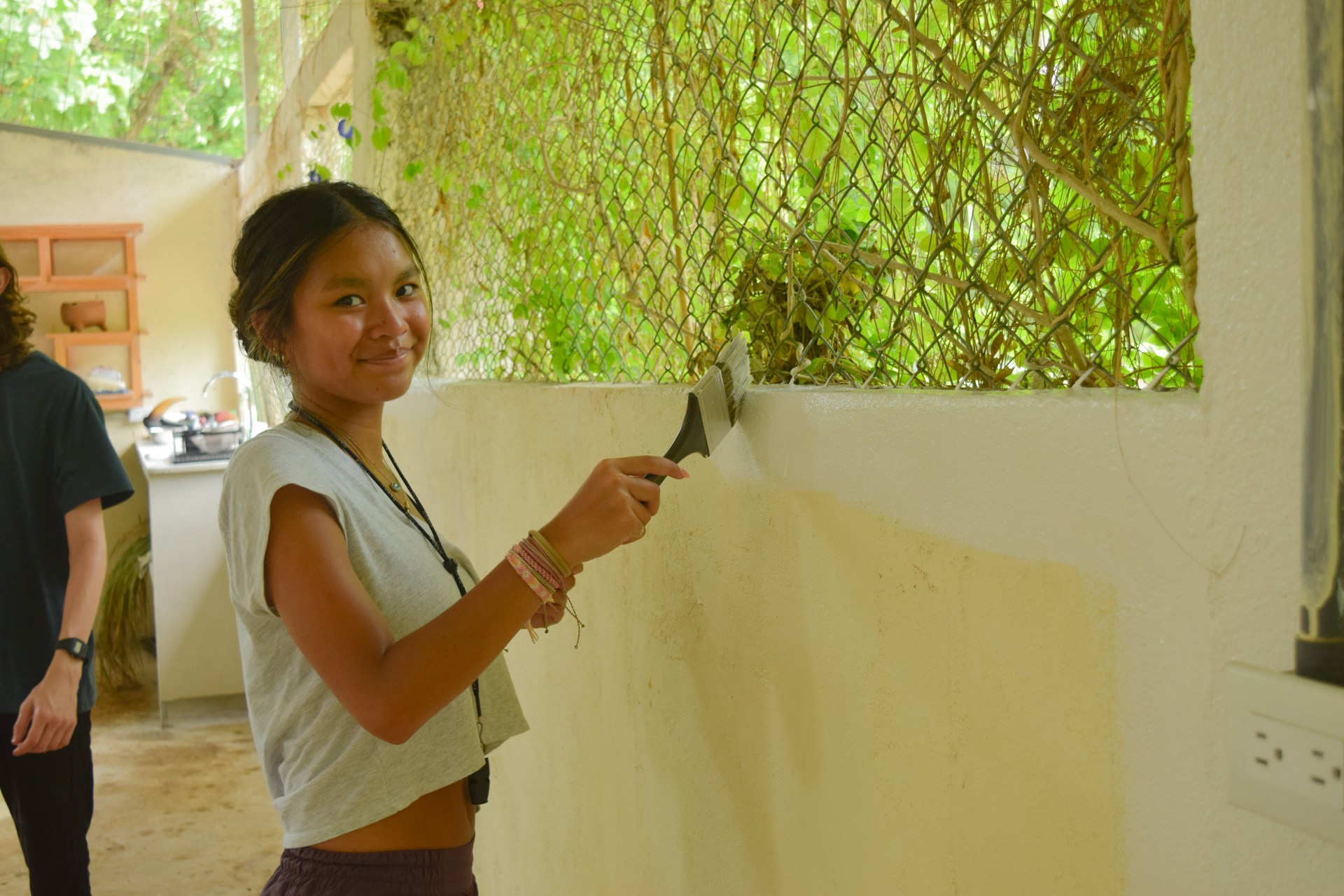
Between exams, applications, part-time jobs, and extracurricular commitments, many students feel stretched thin. For those interested in healthcare, dentistry, or global service, volunteering abroad can seem unrealistic. The assumption is that meaningful impact requires months away from campus. In reality, short-term volunteer trips are intentionally designed to fit within academic breaks while still offering structured, ethical learning experiences.
When planned responsibly, these trips can complement a busy college student schedule rather than disrupt it.
Why Short-Term Volunteer Trips Are Designed for Students
Short-term programs exist because most students cannot step away from school for long periods of time. Ethical organizations recognize this reality and build programs around natural academic pauses.
Rather than compressing impact, well-designed short-term volunteer trips allow students to engage with ongoing community projects led by local professionals. Students rotate through established systems without interrupting continuity of care or development.
This model supports learning while maintaining long-term partnerships in the communities served.
What Makes Short-Term Trips Ethical and Effective
Not all student volunteer trips are structured responsibly. Ethical short-term programs prioritize education, supervision, and long-term presence over quick outcomes.
Programs like MEDLIFE maintain effectiveness by:
- Employing local doctors, dentists, nurses, and community leaders
- Providing follow-up care after clinics and screenings
- Defining student roles clearly and conservatively
- Operating year-round in partner communities
These principles align with guidance on ethical volunteer abroad programs, such as The Purpose of Volunteer Abroad Programs: A Message From Our Founder.
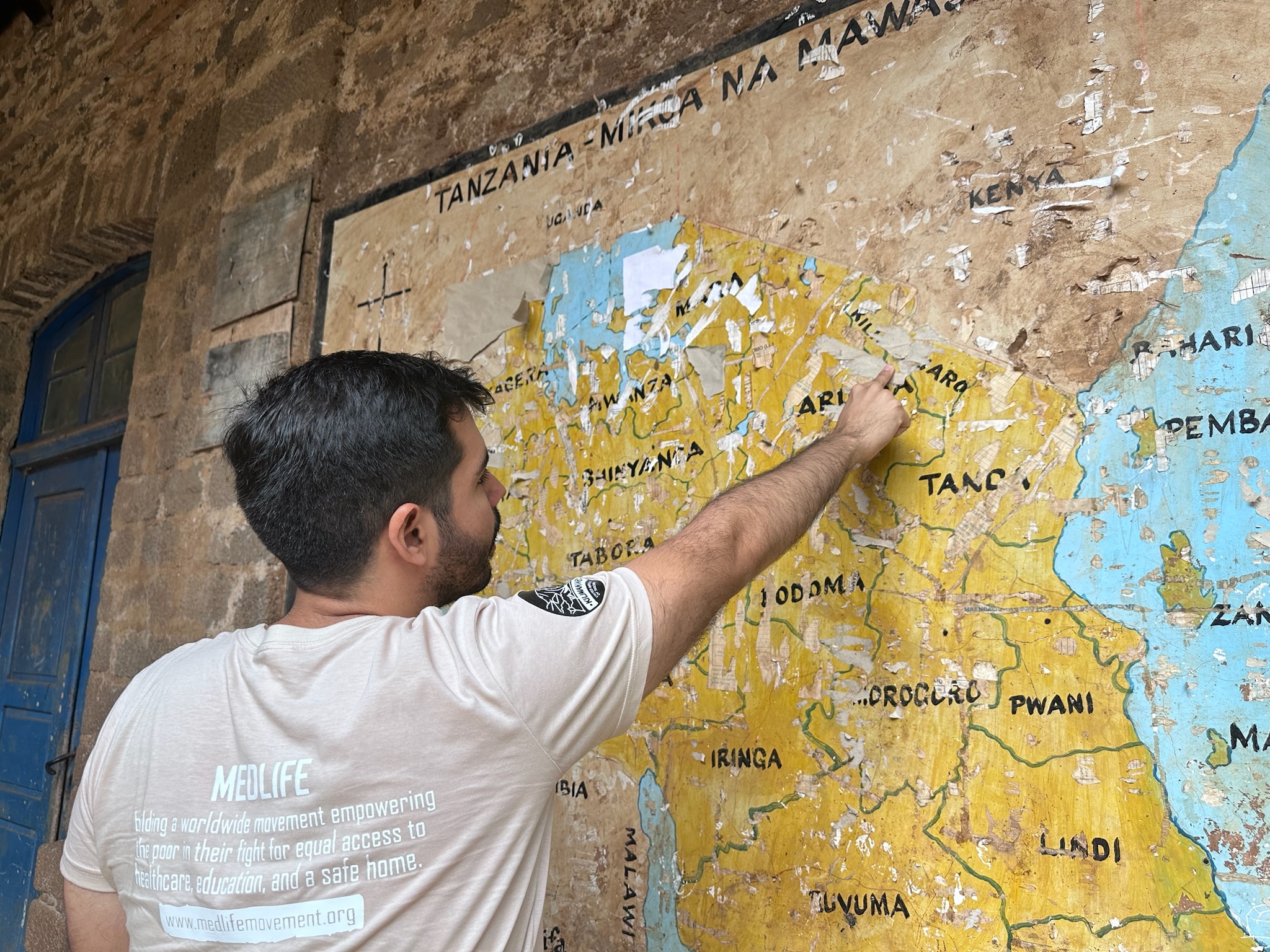
Fitting Volunteer Travel Into a Busy College Student Schedule
For students with demanding majors, planning is essential. A busy college student schedule often includes labs, shadowing hours, leadership roles, and work commitments. Short-term volunteer trips fit best when aligned with academic breaks.
Most students participate during:
- Winter break
- Spring break
- Early or late summer sessions
Trips typically last one week, allowing students to gain hands-on exposure without missing classes. Many return to campus with renewed motivation and clearer academic goals.
Students preparing for professional school often reflect on this balance in articles about real-world experience for pre-dental students, including Why Real-World Experience Matters for Pre-Dental Students.
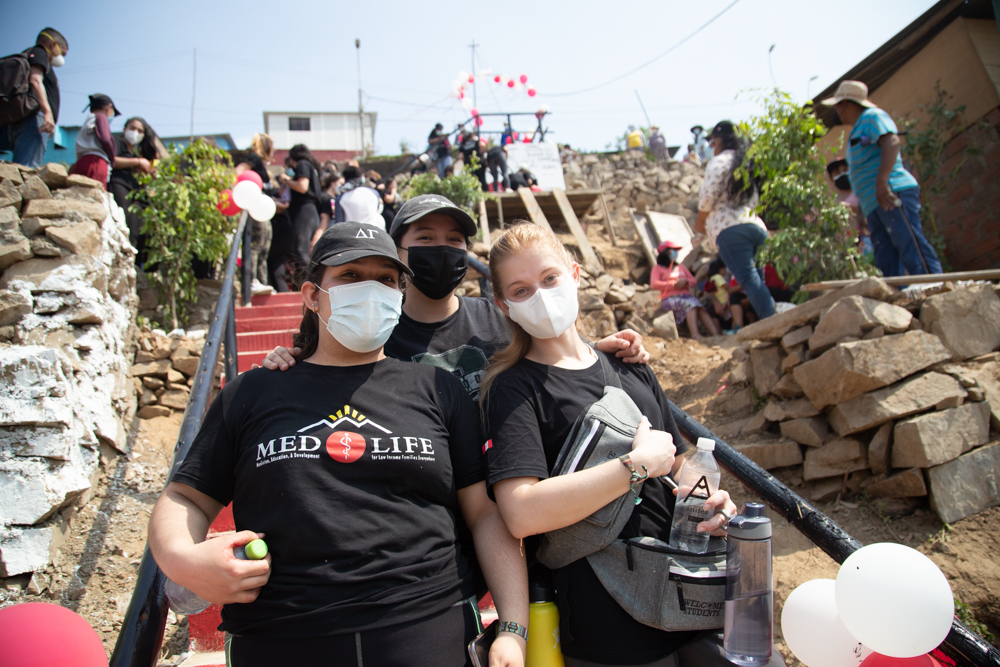
What Students Do on Short-Term Volunteer Trips
A common misconception is that short trips limit meaningful participation. In reality, structured student volunteer trips are highly intentional.
Depending on the program, students may:
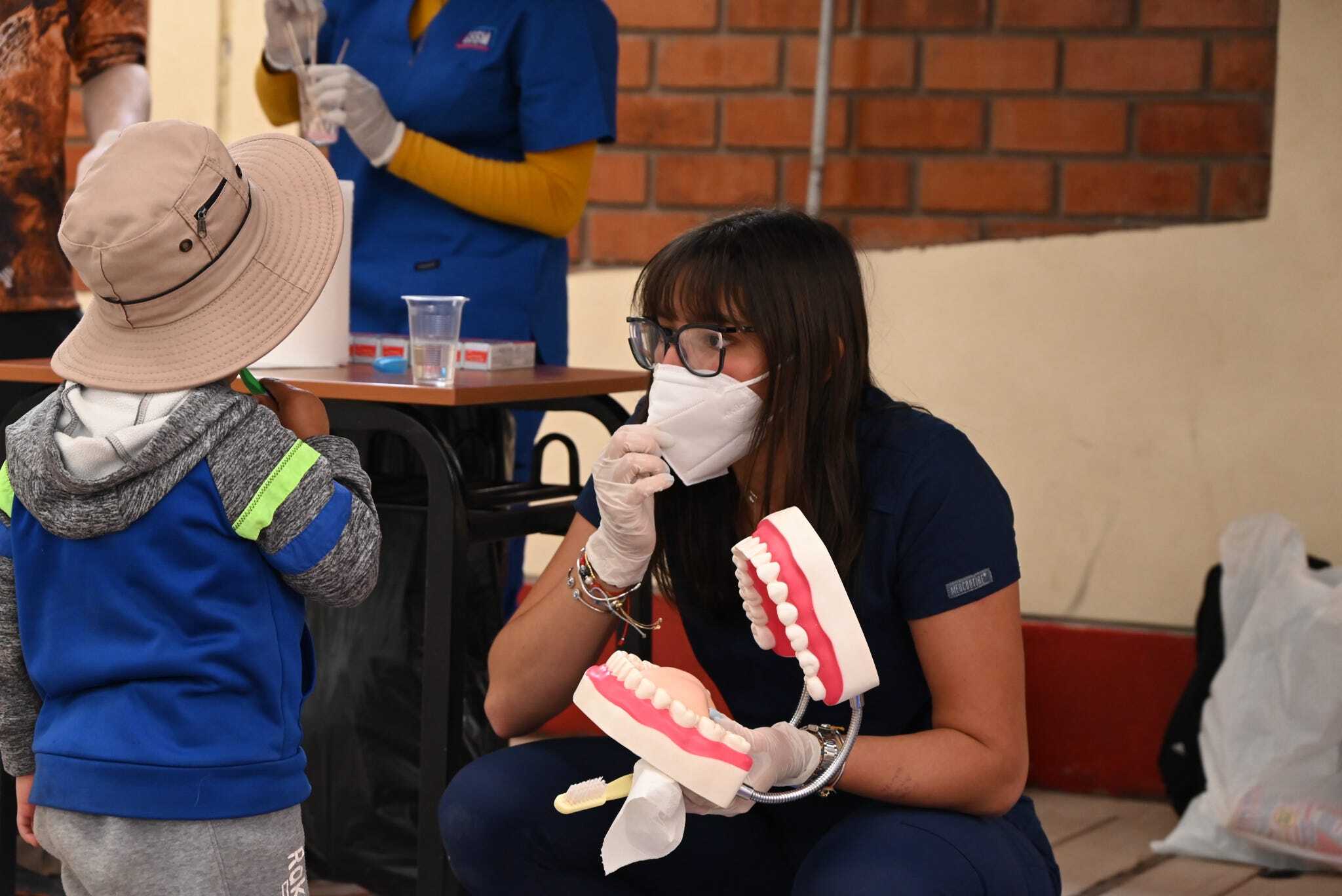
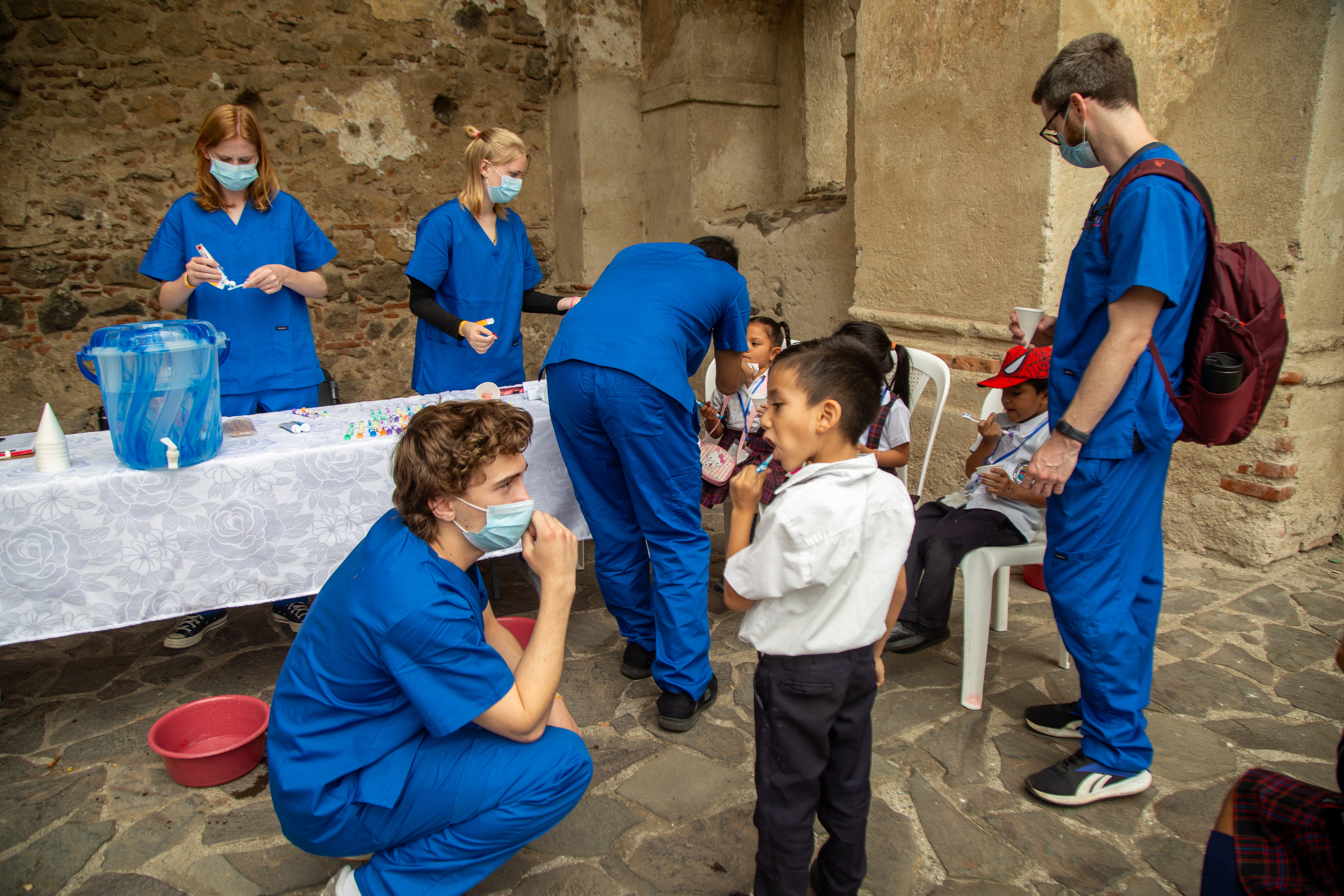
- Assist with patient intake and health education
- Shadow local healthcare professionals
- Support oral hygiene demonstrations
- Participate in community development projects
- Engage in daily reflection and learning sessions
Students are not expected to perform procedures beyond their training. The emphasis is on observation, support, and learning within ethical boundaries.
These experiences mirror lessons described in discussions on preparing for real-world healthcare challenges, such as How Volunteer Trips Prepare You for the Real-World Challenges of Dentistry.
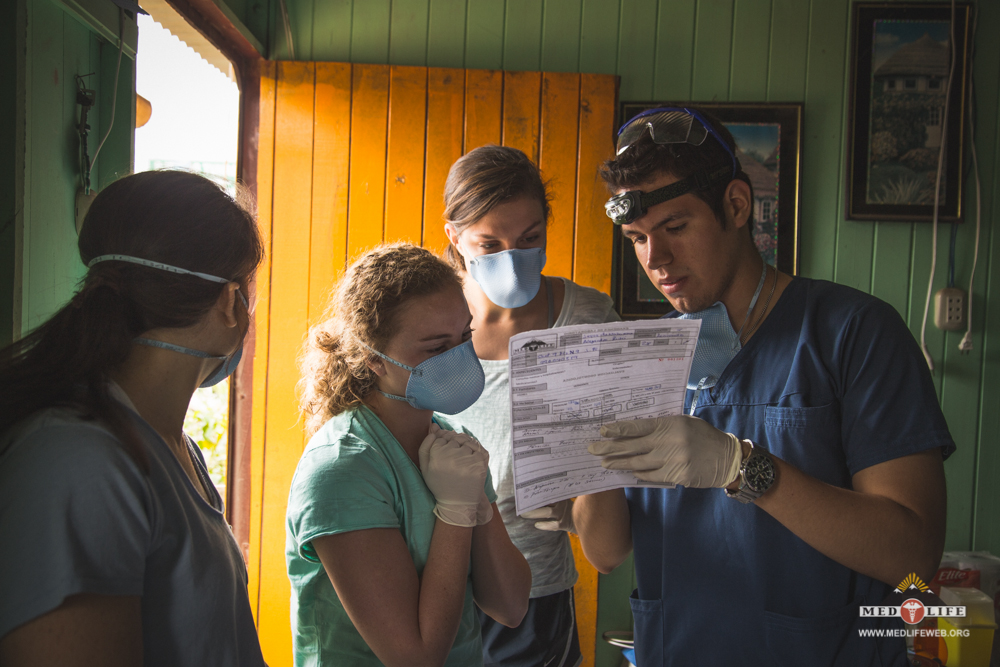
Academic and Career Value for Pre-Med and Pre-Dental Students
Short-term volunteer trips help students gain clarity rather than credentials. Exposure to healthcare systems, patient interaction, and ethical practice often shapes long-term career goals.
For pre-med and pre-dental students, benefits include:
- Understanding patient-centered care
- Observing ethical global health models
- Developing cultural awareness
- Strengthening communication skills
These outcomes are frequently discussed in applications and interviews. Students exploring this path often reference resources on building a strong dental school resume, including Building a Strong Dental School Resume: The Power of Volunteering Abroad.
The Community Perspective on Short-Term Involvement
From a community standpoint, consistency matters more than duration. MEDLIFE ensures that care and development work continue before and after each trip through local staff and partnerships with public health systems.
Students join existing initiatives rather than creating new ones. This approach avoids the risks described in discussions of voluntourism, such as What Is Voluntourism?.
Making the Most of Limited Time Abroad
Because time is limited, intentional learning matters. Students are encouraged to observe carefully, ask thoughtful questions, and reflect daily on what they are seeing.
Preparation resources that focus on stepping outside your comfort zone while volunteering abroad, including How Volunteering Abroad Can Help You Step Outside Of Your Comfort Zone, help students approach trips with realistic expectations.
Short-term does not mean superficial when learning is intentional.
Join the Smiles Movement to Promote Oral Health
Short-term volunteer trips offer students a realistic way to engage with global health while honoring academic commitments. With the right structure, these experiences support ethical learning and community-driven impact.
You can start your journey by downloading our brochure.
To support sustainable healthcare and development projects year-round, donate today and help expand access to ethical care.
.jpg?width=352&name=b17ebfe9-0d62-4a1e-8cd1-382a8c1a0dbb%20(1).jpg)