

What Families Should Know
For many families, the idea of a teenager volunteering abroad brings both excitement and concern. Parents want their students to grow, gain perspective, and earn experience, but safety is always the first question. It is a fair one. Asking is volunteering abroad safe is not only reasonable, it is also essential.
When programs are structured responsibly, international volunteering can be a safe, supervised, and valuable learning experience for high school students. The key lies in understanding how programs are designed and what safeguards are in place.
Is Volunteering Abroad Safe for High School Students?
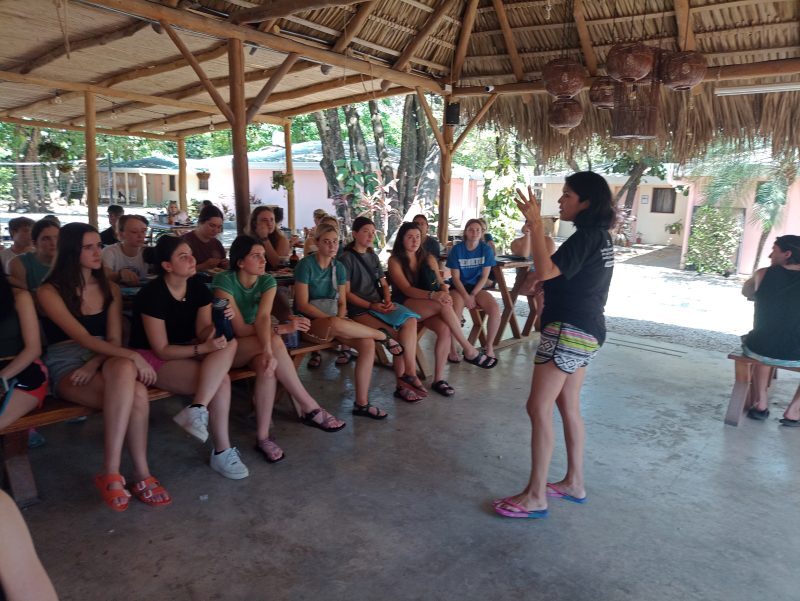
The short answer is that safety depends entirely on the program. Ethical organizations design experiences specifically for younger students, with supervision, medical oversight, and clear boundaries built in.
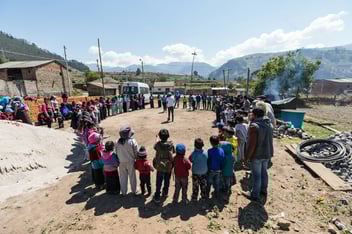
Programs like MEDLIFE do not place high school students in clinical roles or independent work. Instead, students participate in guided education, observation, and community projects led by trained local professionals and adult supervisors.
Families considering international service should look for programs that prioritize preparation, supervision, and long-term community partnerships rather than speed or volume.
What Makes a Program Safe and Ethical
Understanding is volunteering abroad safe requires looking beyond the destination. Safety comes from structure, not geography.
Ethical programs emphasize:
- On-site supervision by trained staff
- Partnerships with local doctors, nurses, and community leaders
- Clear student roles appropriate for age and experience
- Emergency protocols and access to medical care
- Pre-trip orientation for students and families
These standards align with guidance shared in articles on recommending ethical high school volunteer opportunities for educators and families, including this overview: How to Recommend Ethical High School Volunteer Opportunities to Your Students.
Volunteering for High School Students: What Participation Looks Like
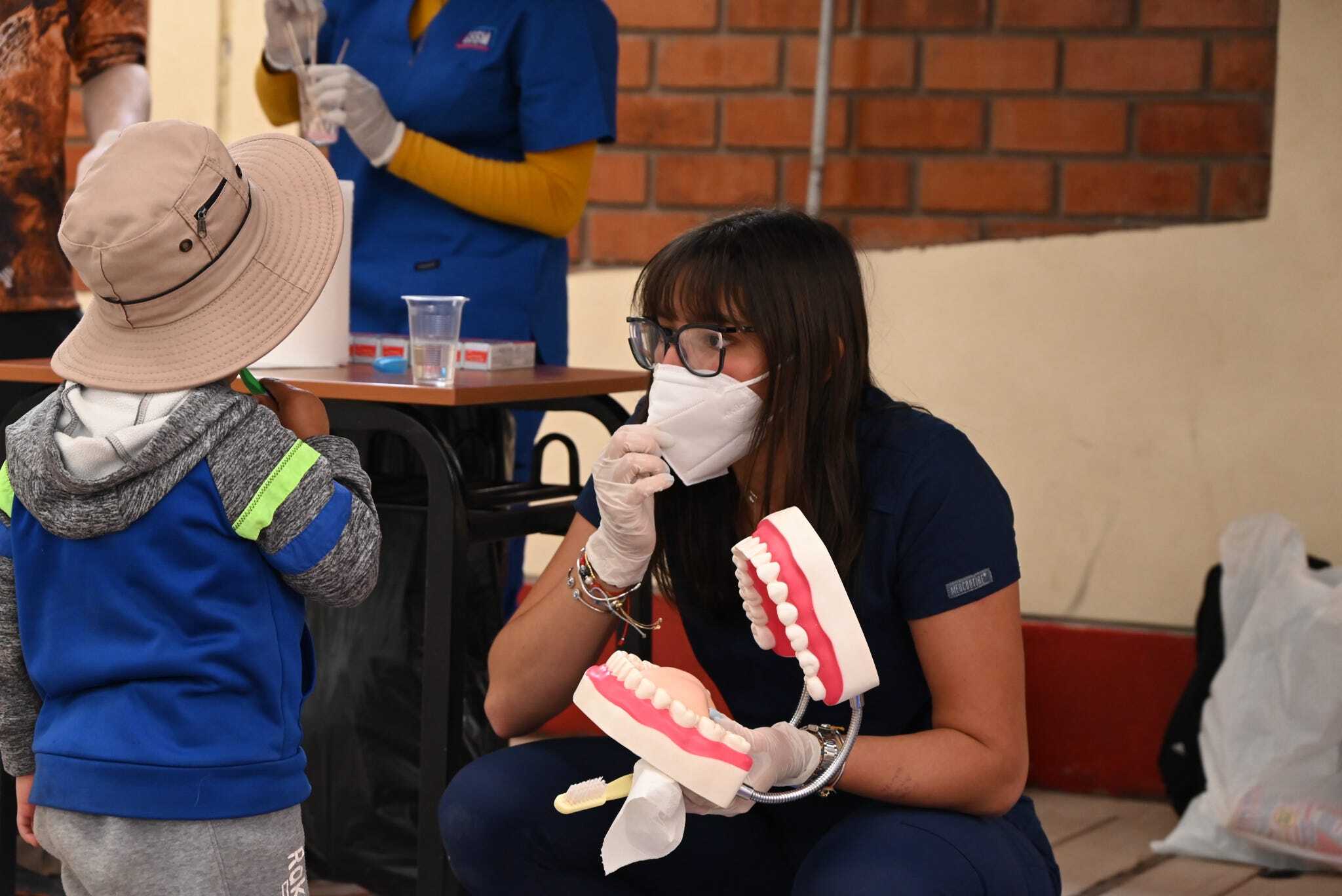
Volunteering for high school students should focus on learning and exposure, not service delivery. Students are there to understand global health, community development, and cultural awareness.
Typical activities may include:
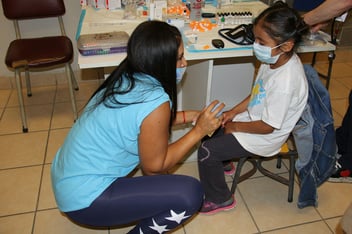
- Assisting with oral health education workshops
- Observing healthcare teams in action
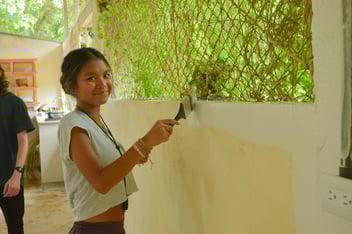
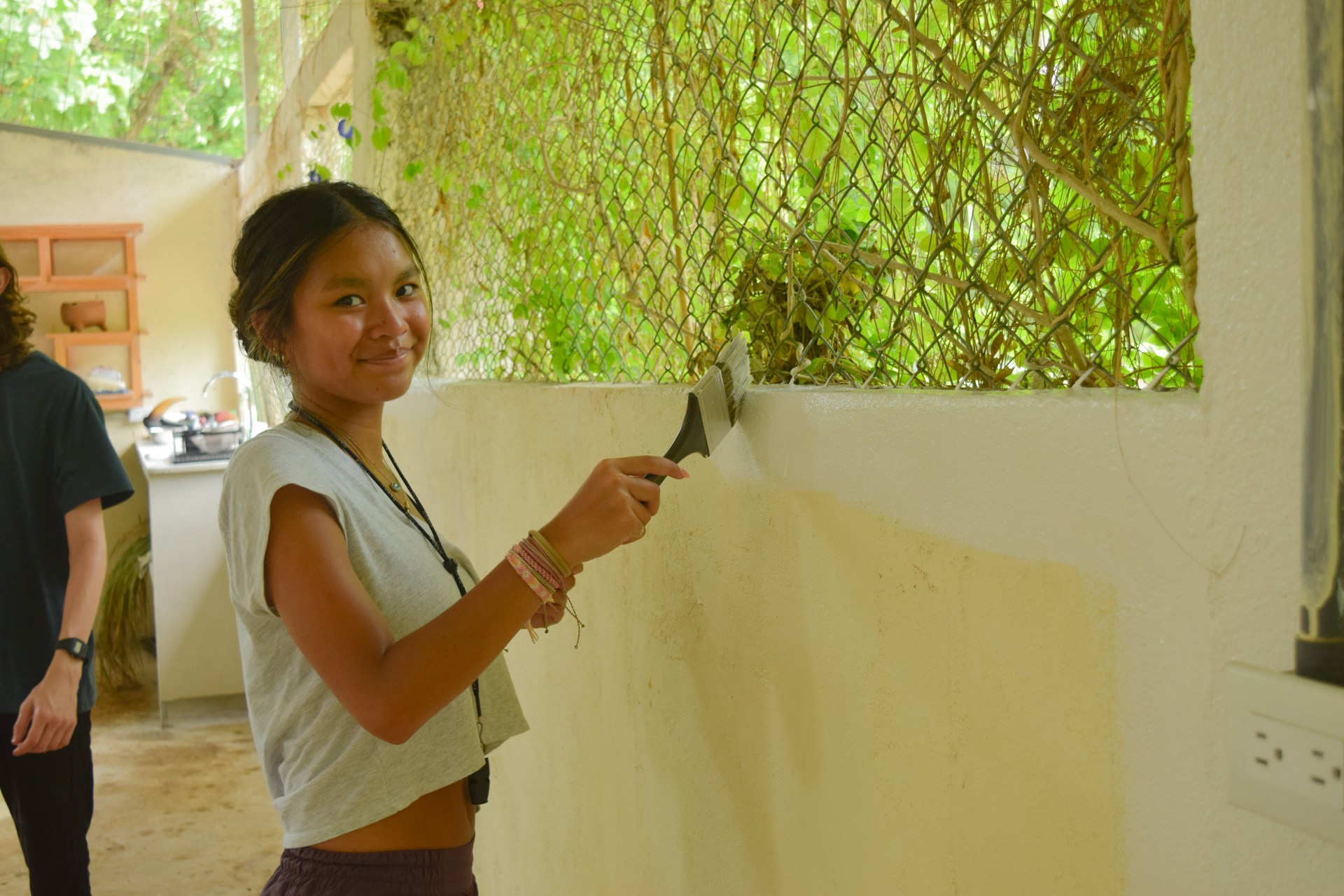
- Supporting community development projects
- Participating in reflection and group discussions
Students are never expected to provide medical or dental care. Instead, they learn by listening, observing, and supporting under supervision.
This approach mirrors best practices discussed in resources on ethical dental volunteer programs, such as What Makes a Dental Volunteer Program Ethical?.
Earning Volunteer Hours for High School
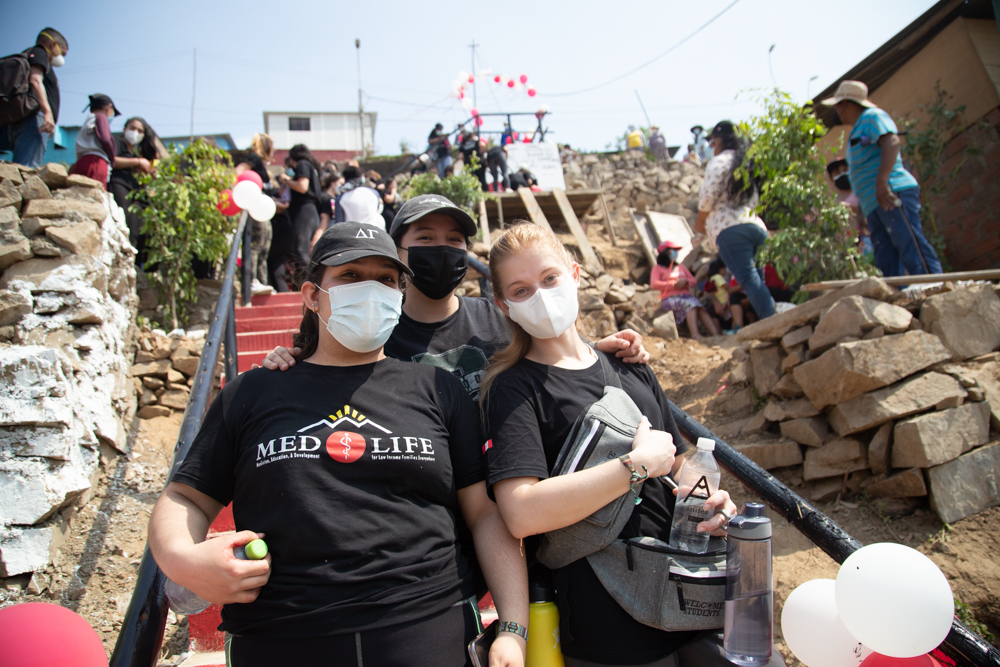
Many families also ask whether international programs count toward volunteer hours for high school. In most cases, hours earned through structured, nonprofit programs can count, especially when documentation and supervision are provided.
Programs like MEDLIFE track participation and provide verification when appropriate. More importantly, students gain context around why service matters, not just how many hours are completed.
Students and counselors can learn more about how service experiences are documented and evaluated through resources on volunteer hours and academic requirements, including Volunteer Hours for Dental Students: How Volunteering Abroad Counts Towards Your Requirements.
The Role of Supervision and Support
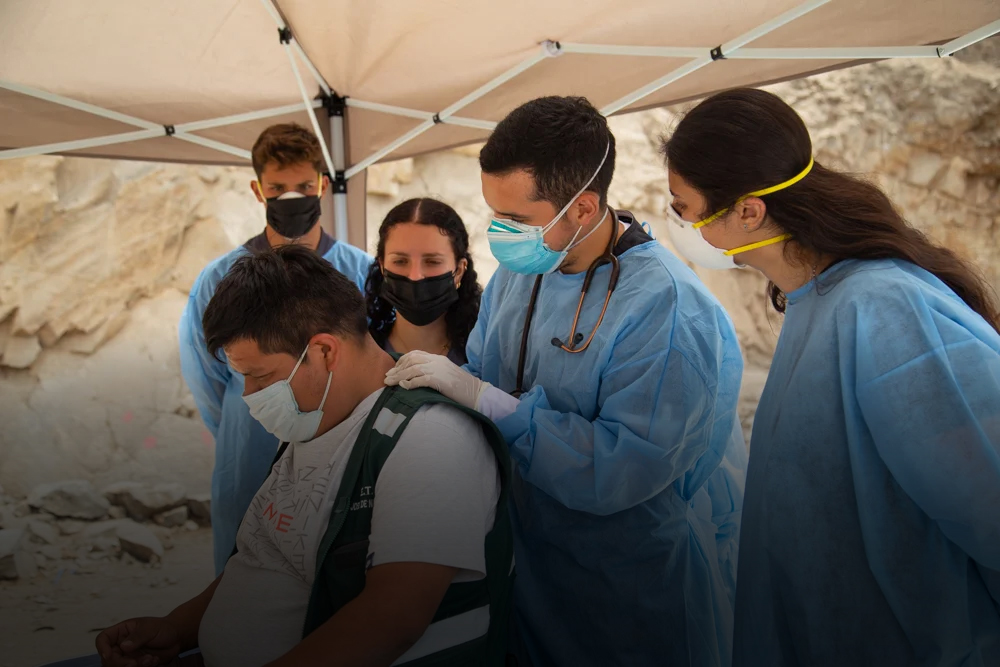
One of the strongest safety factors in high school programs is supervision. Adult mentors, local staff, and group leaders remain with students throughout the experience.
MEDLIFE also works alongside local healthcare systems, ensuring that clinics and projects are licensed, staffed, and connected to follow-up care. This reduces risk while reinforcing ethical practice.
Families interested in how programs balance learning and protection may find insight in guidance on helping students gain real-world experience, such as Helping Students Gain Real World Experience: What Educators Should Look for in a Program.
.jpg)
Preparing Students Before They Travel
Preparation is central to safety. Students receive guidance on cultural awareness, communication, and expectations before departure. This helps reduce misunderstandings and builds confidence.
Resources that focus on cultural awareness while volunteering abroad help students approach travel with respect and awareness, including Cultural Awareness: What Does It Mean and How Can You Display It While Volunteering?.
When students understand their role, safety improves for everyone involved.
Why Families Choose Structured Programs
Families often choose structured programs because they combine growth with guardrails. Students gain exposure to global issues, teamwork, and responsibility within a controlled environment.
This balance helps students build maturity without being placed in situations beyond their readiness. It also sets a foundation for future opportunities in college and beyond.
Concerns about poorly designed programs are addressed in discussions about voluntourism and ethical travel, such as What Is Voluntourism?, which explains why oversight and ethics matter.
Join the Smiles Movement to Promote Oral Health
For families asking is volunteering abroad safe, the answer lies in choosing programs rooted in ethics, supervision, and long-term partnerships.
When done well, volunteering abroad can be a safe and meaningful experience that supports student growth and community priorities.
Start learning more by downloading our brochure.
To support safe, sustainable programs for students and communities, donate today and help expand access to ethical care.