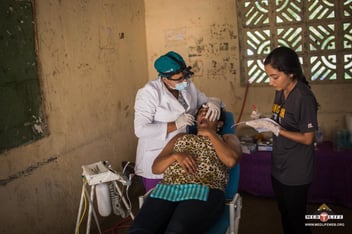

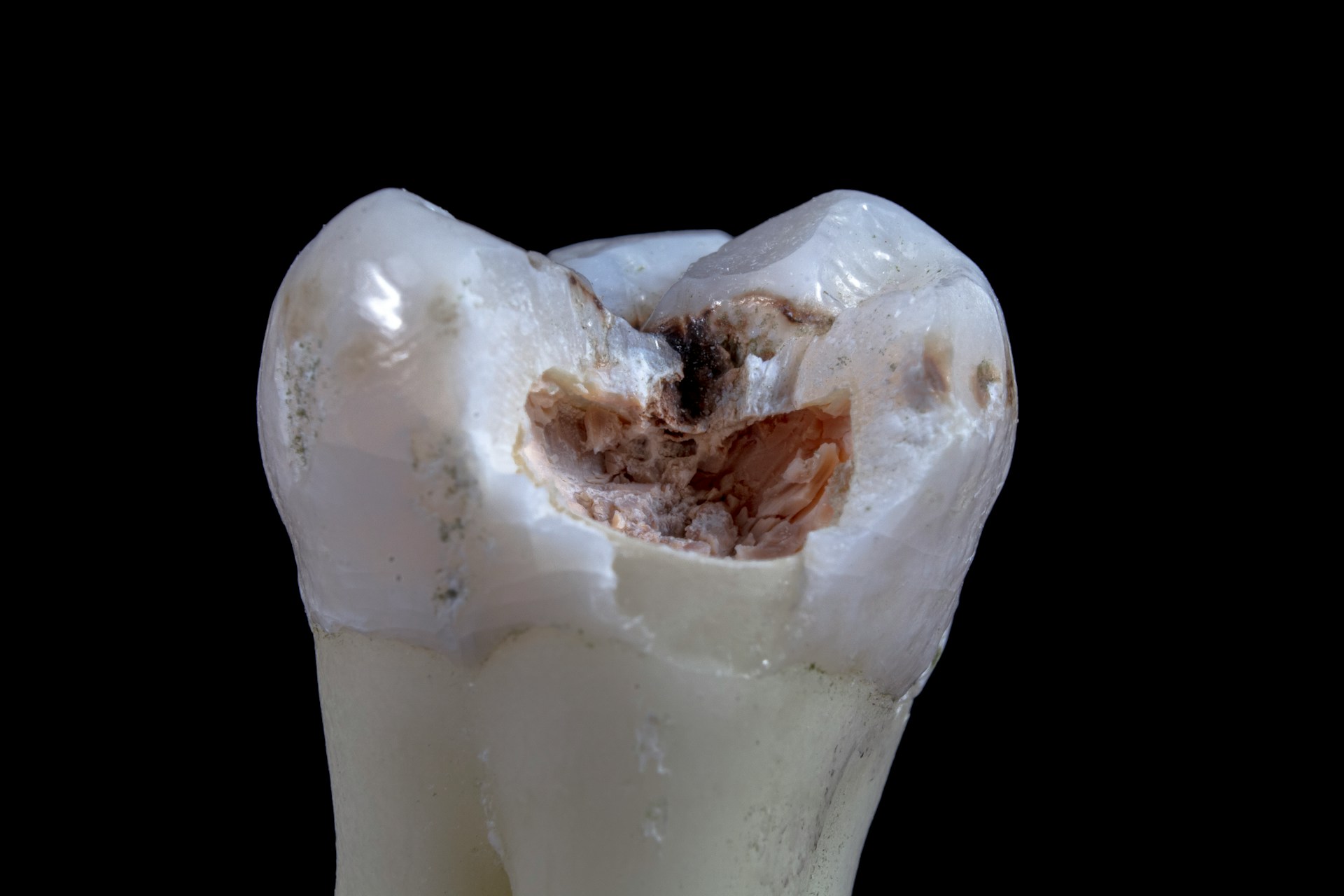
A toothache rarely begins as an emergency. It often starts as sensitivity to something cold. Then it hurts when chewing. Eventually, the pain is constant enough to interrupt sleep, work, or school.
Yet many people still delay treatment. The barriers to dental care that stop patients from seeking help early are financial limits, transportation, fear, misinformation, cultural differences, and lack of consistent healthcare.
In this article:
- Why people ignore dental pain
- The five most common barriers to dental care
- What untreated pain costs people and communities
- What sustainable solutions look like
How Common Is Untreated Oral Disease?
The problem is global. The World Health Organization estimates that oral diseases affect nearly 3.7 billion people. It also reports that untreated tooth decay in permanent teeth is the most common health condition worldwide, based on the Global Burden of Disease 2021.
These conditions are largely preventable. They hit hardest in medically underserved areas, where preventive care is limited. Patients there often seek treatment only when pain becomes unbearable.
At Smiles Movement, students on Service Learning Trips see these oral health disparities firsthand. Through ethical, community-led outreach, volunteers learn that oral health is tied to education, infrastructure, transportation, and long-term healthcare access.

Common Barriers to Dental Care
1. Financial Barriers Delay Dental Treatment
Cost is one of the most significant barriers to accessing dental care.
For many families, routine visits feel financially impossible. Households are already balancing:
- Food
- Rent
- Transportation
- Other medical expenses
Preventive care gets postponed in favor of immediate needs. Small problems then become severe infections or chronic pain. In low-resource communities, emergency care often replaces prevention.
Students in global health outreach see how oral health is a major public health issue tied to broader economic and healthcare inequalities.
In many cases, people do not ignore pain because they want to. They ignore it because treatment feels out of reach.

2. Rural and Medically Underserved Areas Face Extra Challenges
Geography plays a major role in access to dental care.
People in rural or medically underserved regions may face:
- Long travel distances to clinics
- Few or no local providers
- Inconsistent healthcare infrastructure
- Months-long waits for appointments
- Reliance on temporary outreach clinics
These challenges exist in both domestic and international communities. Learn more about limited dental access in rural communities.
Volunteers abroad also see these gaps up close. Read about the barriers within the Peruvian healthcare system and the healthcare access challenges in Ecuador. Both show that oral health disparities are rooted in larger systemic inequities.

3. Fear of the Dentist and Misinformation
Fear is another major reason people avoid the dentist. Many patients associate dentistry with:
- Pain
- Embarrassment
- Bad past experiences
- Worry about expensive procedures
- Fear of being judged for the state of their teeth
Misinformation also delays care. Some people believe dental pain will go away on its own. Others think treatment is unnecessary until symptoms are severe. These beliefs let infections and decay get worse.
That is why preventive dental care reduces serious complications before emergencies develop.
Education also reduces fear. Programs on dental education in underserved communities help patients recognize symptoms earlier. Students in outreach programs see how misconceptions create avoidable complications.
4. Language and Cultural Barriers in Healthcare
Communication problems are serious barriers to dental care. Patients who do not share a language with their provider may struggle to explain symptoms, ask questions, or understand treatment. This can create confusion, anxiety, and mistrust.
Culture, traditions, and past experiences with medical systems also shape access.
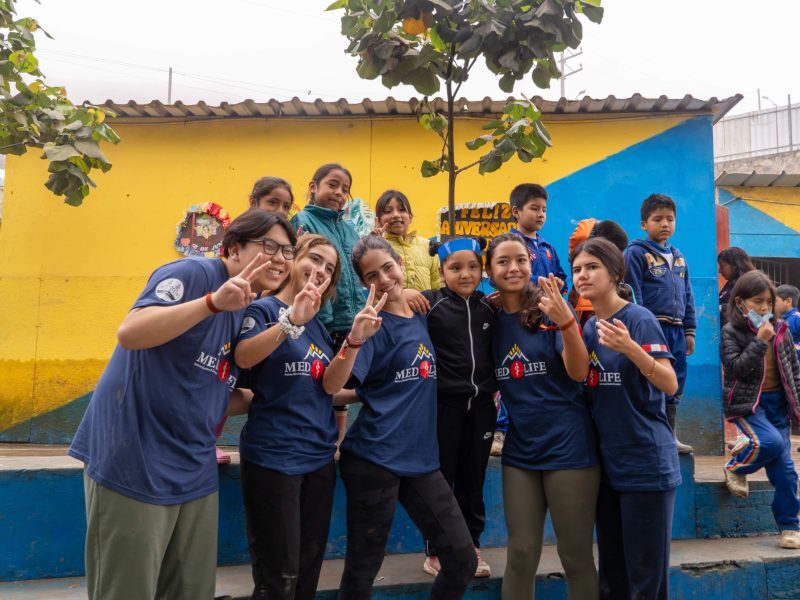
Students in ethical volunteer programs see how language barriers can delay dental treatment. They also learn how cultural barriers affect oral healthcare access, especially where healthcare feels unfamiliar.
Improving access takes empathy, communication, and long-term community trust.
What Happens When Dental Pain Goes Untreated?
The effects reach far beyond the mouth. Chronic oral pain can interfere with:
- Eating
- Sleeping
- Concentration
- Mental well-being
For children, untreated dental problems can mean poor school performance and frequent absences. See how access to dental care affects children's education and development.
For adults, the consequences can include employment challenges, social anxiety, and worsening complications from untreated infections.
Many patients only seek care once symptoms disrupt daily life. This guide to severe symptoms of untreated dental infections explains why waiting can quickly become dangerous.
This is why oral health belongs in broader conversations about public health and healthcare equity.
Sustainable Solutions for Dental Care Access
Addressing barriers to dental care takes more than short-term treatment. Long-term improvement depends on:
- Preventive education
- Ethical healthcare outreach
- Local leadership
- Stronger healthcare infrastructure
At Smiles Movement, students work alongside local professionals and community leaders. Volunteers support educational outreach, prevention, and community-based initiatives that strengthen access over time.
Learn more about:
- Long-term impact as a dental volunteer in underserved communities
- What makes a dental volunteer program ethical
- The ethics of dental volunteering
These programs do not position volunteers as "saving" communities. They focus on partnership, learning, and supporting locally led healthcare systems.
The Human Side of Healthcare Access
For many students, seeing oral health inequities firsthand is the most impactful part of a Service Learning Trip. They move beyond textbooks and begin understanding the realities of limited healthcare access. They also discover how oral health connects to global health, education, and community development.
Improving access takes prevention, trust, education, infrastructure, and sustainable healthcare systems.
When dental pain is ignored until it is severe, the issue is rarely just the tooth. It is often a reflection of the systemic barriers between patients and consistent care.
Join Smiles Movement to Promote Oral Health
Want to be part of the solution? Fill out the form below.
- 👉 Download our free brochure to start your journey in ethical dental volunteering abroad
- 👉 Explore our dental Service Learning Trips
- 👉 Become a monthly donor to support sustainable oral health outreach